
Plants
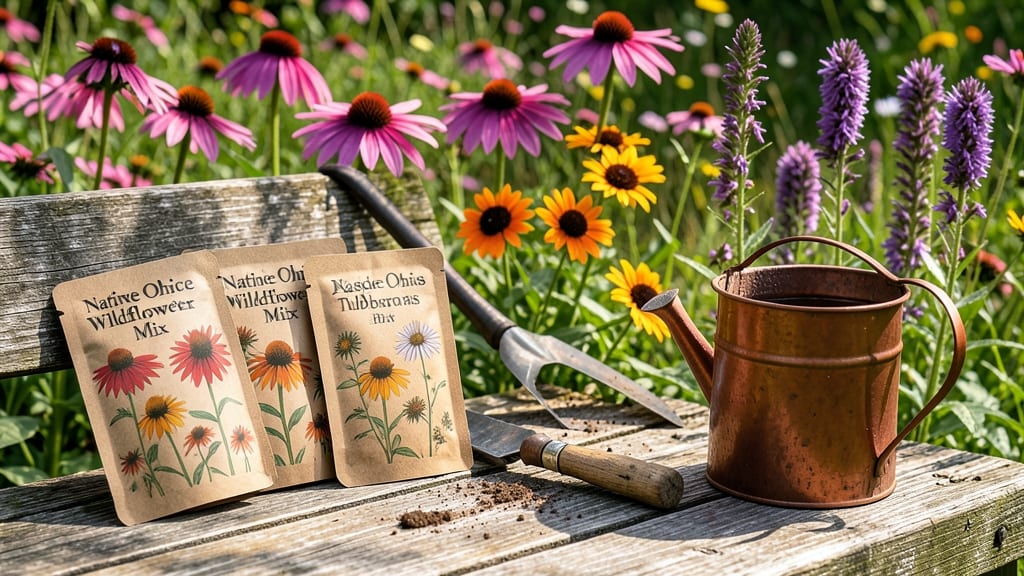
Planting wildflower seeds in Ohio at the right time means the difference between a vibrant meadow and a lost investment—aim for early spring or late fall to beat frost and drought.
Ohio’s unpredictable spring weather can leave gardeners guessing—plant wildflower seeds too early, and frost will wipe them out; too late, and you’ll miss the vibrant blooms that attract pollinators all summer. Timing is everything for a thriving meadow.
Most Ohio gardeners (USDA Zone 6a) should start seeds in March or April, once the soil warms above 40°F, or opt for fall planting in October or November to take advantage of winter moisture.
The key is avoiding those last frosts in mid-April or first frosts in mid-October.
Below, I break down the best months by region, how to prep your soil for maximum germination, and which wildflowers thrive in Ohio’s clay-heavy conditions—so you can skip the guesswork and get straight to those colorful blooms.
Ohio wildflower planting timeline: frost dates by region
Ohio’s USDA hardiness zones 5–7 create unique challenges for wildflower planting. The last spring frost typically arrives between mid-April (southern Ohio) and late April (northern Ohio), while the first fall frost hits from mid-October (north) to late October (south).
These dates dictate your planting windows to avoid frost damage while maximizing bloom potential.
For spring planting, aim for 4–6 weeks before your last frost date. This gives seeds time to germinate before warmer soil conditions arrive. In fall, plant 6–8 weeks before your first frost to allow seedlings to establish roots before winter dormancy.
Fall planting often yields stronger blooms the following year because cooler temperatures reduce weed competition.
Here’s how to use USDA zone maps and local weather data to pinpoint your exact planting windows. First, locate your Ohio county on the USDA map (most of the state falls in zones 5b–6b).
Then, check your local cooperative extension service for historical frost dates—these are more reliable than general zone guidelines. For example, Toledo (zone 5b) has a later last frost than Cleveland (zone 6a), so adjust accordingly.
Common mistakes include planting too early in cold, wet soil (which leads to rot) or too late when summer heat arrives (causing seeds to dry out). Always test your soil temperature—wildflower seeds need soil that’s at least 50°F (10°C) for germination.
Use a soil thermometer or wait until daytime temps consistently stay above 60°F (15°C).
Regional variations matter. Southern Ohio (e.g., Cincinnati, Columbus) has longer growing seasons, while northern areas (e.g., Toledo, Akron) face shorter windows. Microclimates—like sunny slopes or sheltered valleys—can also shift frost dates by 1–2 weeks. Observe your garden’s unique conditions for 3+ years to refine your timing.
🌱
To avoid frost-related setbacks, consider fall planting for perennial wildflowers like coneflower or black-eyed Susan. These species establish roots in autumn and bloom vigorously the following year. For annuals like cosmos or zinnias, spring planting is ideal—just wait until soil warms to 60°F (15°C) to prevent rot.
Pro tip: Use row covers or cold frames to extend your spring planting window by 2–3 weeks in colder zones. These protect young seedlings from late frosts while allowing sunlight to penetrate. Remove covers once daytime temps stay above 55°F (13°C) to prevent overheating.
For fall planting, focus on drought-tolerant species like purple coneflower or butterfly weed, which handle Ohio’s unpredictable autumn rains better than delicate annuals.
Track your local frost dates for 2–3 years to create a custom planting calendar. Apps like Old Farmer’s Almanac or NOAA Climate Data provide historical trends, but your garden’s microclimate may differ.
For example, a south-facing slope might warm 1–2 weeks earlier than a north-facing yard. Adjust your timeline accordingly to ensure consistent germination and vibrant blooms.
Remember, wildflower meadows thrive on patience. While annuals bloom in the first year, perennials may take 2–3 years to reach full potential. Planting at the right time—whether in spring or fall—sets the stage for a low-maintenance, pollinator-friendly garden that rewards you for years to come.
☀️
Best wildflower seed types for Ohio’s climate and soil
Ohio’s diverse climate—from humid summers to freezing winters—demands wildflowers that thrive in variable conditions. Native species like black-eyed Susan and purple coneflower not only survive but flourish, attracting pollinators while requiring minimal care. These drought-resistant varieties are perfect for Ohio’s clay-heavy soils and unpredictable rainfall.
When selecting seeds, prioritize Ohio-native wildflowers that match your sunlight exposure and soil type. Most perform best in full sun (6+ hours daily) but tolerate partial shade. Below, I’ve ranked the top 10 wildflower varieties for Ohio, focusing on hardiness, bloom season, and soil adaptability.
🌱 Summary Table: Best Wildflower Seeds for Ohio
| Wildflower | Bloom Season | Sun Needs | Soil Type | Height | Drought Tolerance |
|---|---|---|---|---|---|
| Black-Eyed Susan | Summer to Fall | Full Sun | Adaptable (clay to loam) | 2–3 ft | High |
| Purple Coneflower | Late Summer | Full Sun to Partial Shade | Well-draining (tolerates clay) | 2–4 ft | Very High |
| Butterfly Weed | Summer to Fall | Full Sun | Dry to medium soil | 1–2 ft | Extreme |
| Wild Bergamot | Summer | Full Sun | Dry, sandy, or clay | 2–4 ft | High |
| Goldenrod | Late Summer to Fall | Full Sun to Partial Shade | Moist to dry soil | 1–3 ft | Moderate |
| Coreopsis | Spring to Summer | Full Sun | Well-draining | 1–2 ft | Very High |
| Aster | Fall | Partial Shade to Full Sun | Moist, well-draining | 1–4 ft | Moderate |
| Partridge Pea | Summer to Fall | Full Sun | Dry, sandy soil | 1–2 ft | Extreme |
| Milkweed | Summer | Full Sun to Partial Shade | Well-draining | 1–4 ft | Moderate |
| Blazing Star | Summer to Fall | Full Sun | Dry to medium soil | 2–4 ft | High |
Black-eyed Susan and purple coneflower are my top recommendations for Ohio gardeners. Both handle clay soil and drought beautifully while providing long bloom seasons. For dry, sandy areas, butterfly weed and partridge pea are unbeatable—they thrive where other plants struggle.
If your site gets