
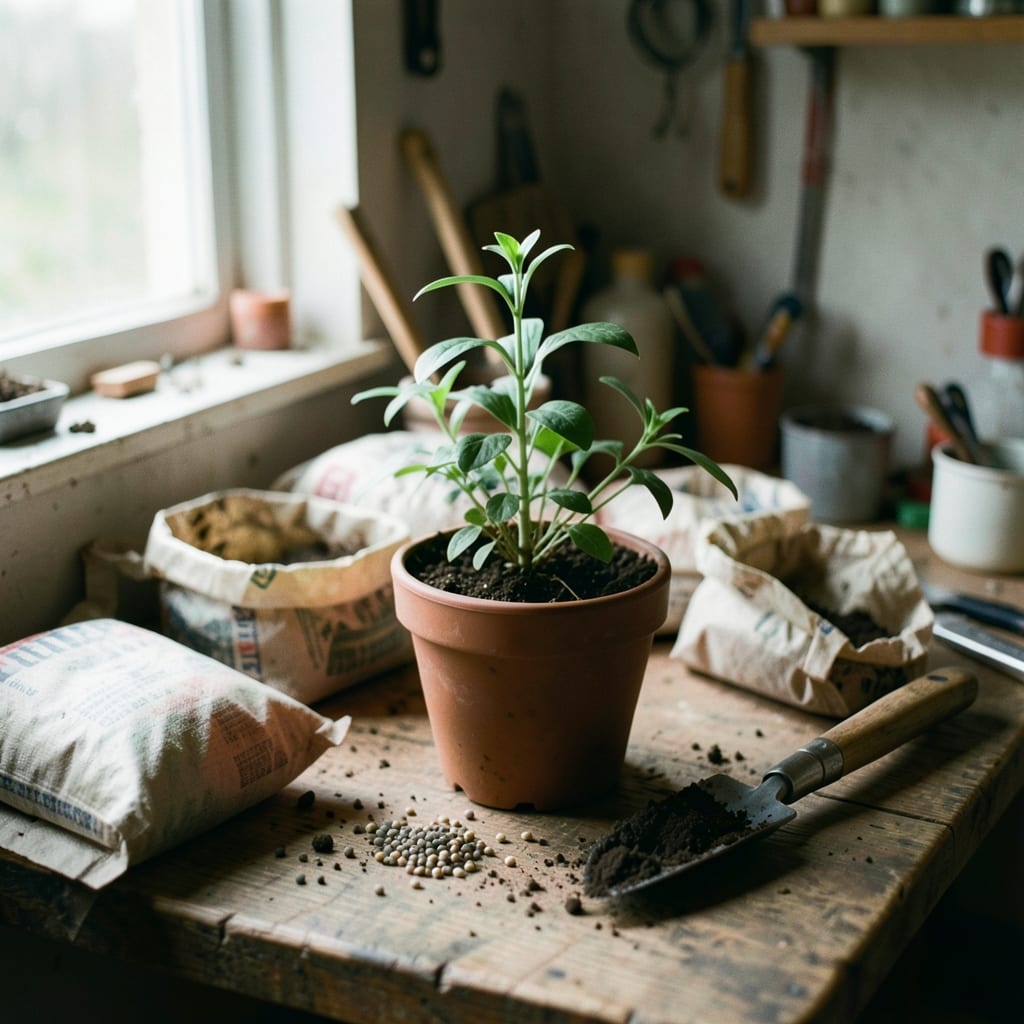
What this work is made with
This page is not a story. It is a list of things—the objects that shape what you’ll find here. A gardening site depends on more than words; it lives in the tools that shape the soil, the hands that wield them, and the wear that tells their truth.
Here, we name what makes the work possible.
Vegetable Rows is a place for growing your own food, whether you’re starting with a single windowsill herb or a full backyard plot. The site collects the tricks that turn stubborn seeds into thriving plants, the lessons learned from failures, and the quiet joy of watching something grow from nothing.
The things that do the work
These are the objects that hold the work together: the hands-on tools that shape the soil, the plants, and the lessons. They are worn, unglamorous, and essential.
The pruning shears
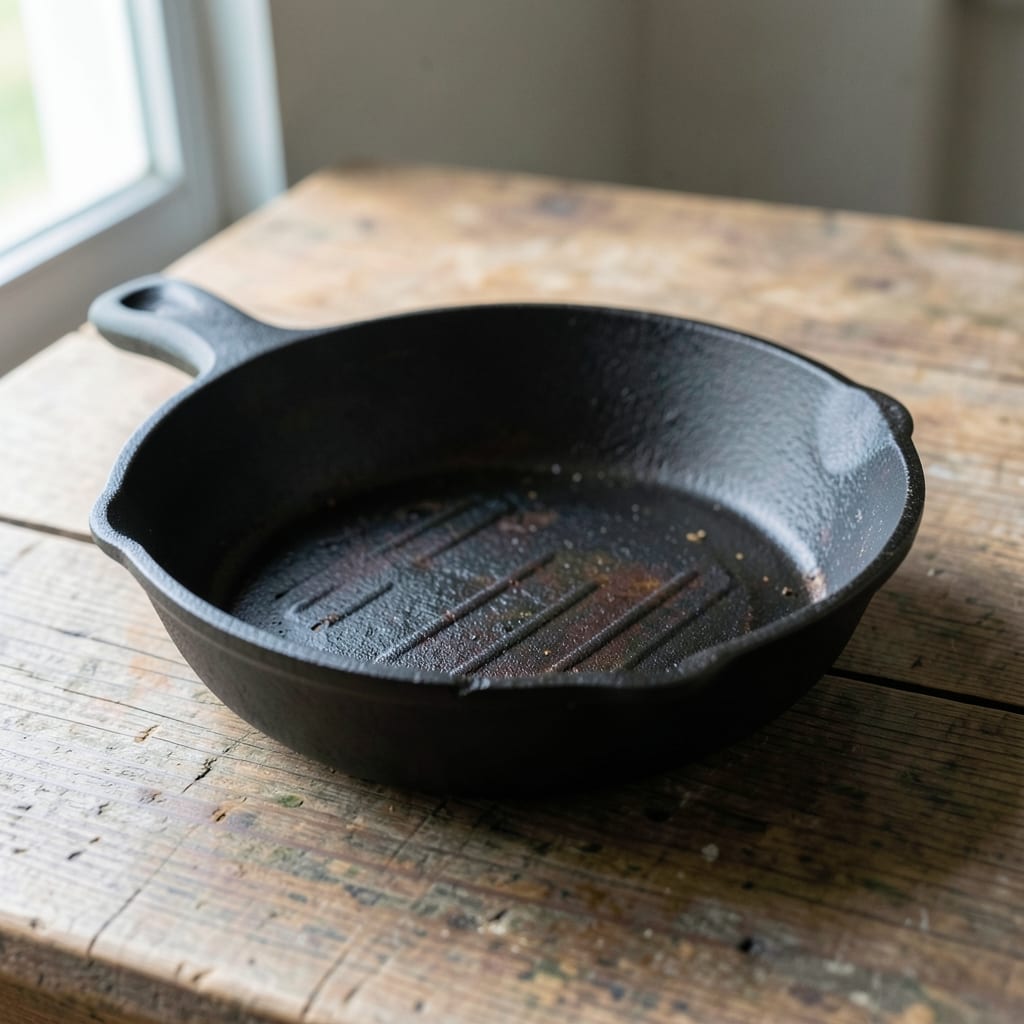
These are the old Felco bypass pruners, the kind that snip through stems like they’re nothing. They’ve been here since 2018, when I first started taking gardening seriously. The blades are slightly misaligned now, but they still cut cleanly—if you hold them just right.
They taught me that precision matters, even when the job is messy. The first time I used them on a basil plant, I nearly severed a finger. Now, I notice how every cut leaves a clean break, how the plant heals faster when you’re careful.
The wooden planting board
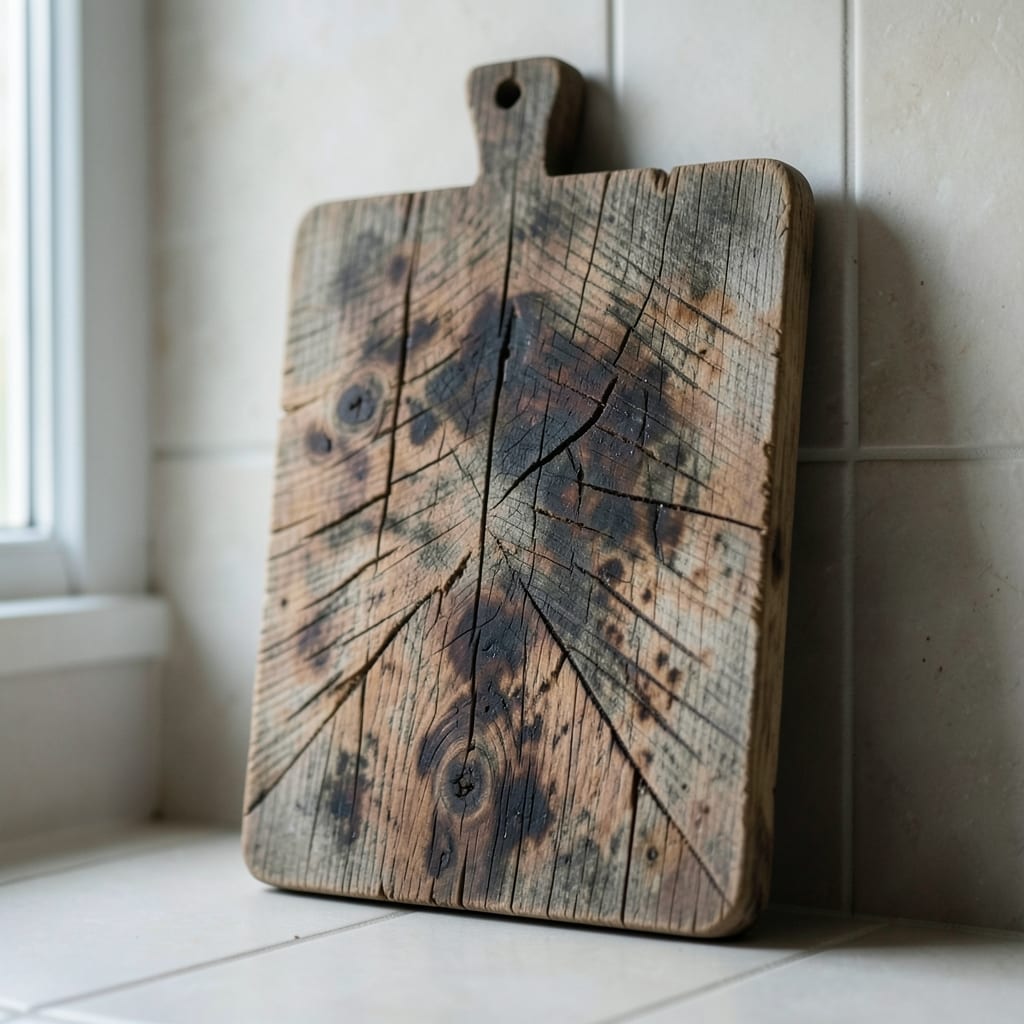
A rough-hewn cedar board, warped from years of outdoor storage, that I use to mix soil amendments. It’s cheap, splintery, and exactly what I need. The edges are chipped, and the grain has darkened with age, but it holds compost and fertilizer better than any plastic tray.
It showed me that the best tools aren’t always the newest. This board has seen more soil than any store-bought container, and it still does the job—even when it’s cracked down the middle. The splinters are a reminder to wear gloves.
The rusted trowel
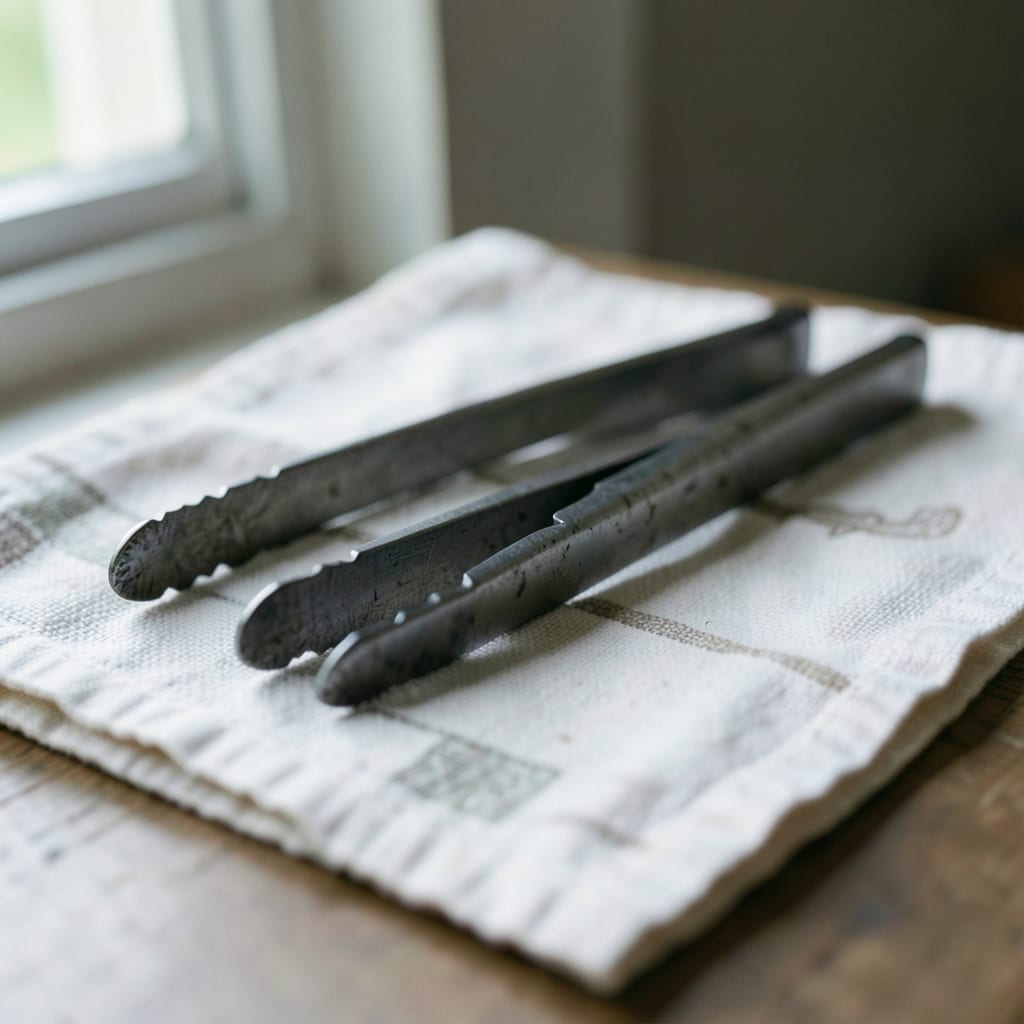
This is the trowel that came with the first garden plot I ever rented. The handle is splintered, the blade is pitted with rust, and the head is bent from years of digging into hard clay.
I keep it anyway because it’s the one that taught me how to break ground without wrecking my hands.
It changed how I think about tools: some things aren’t meant to last forever, but they’re still the best at their job. This trowel has dug more holes than I can count, and it still works—if you’re not too gentle with it.
The seed-starting tray
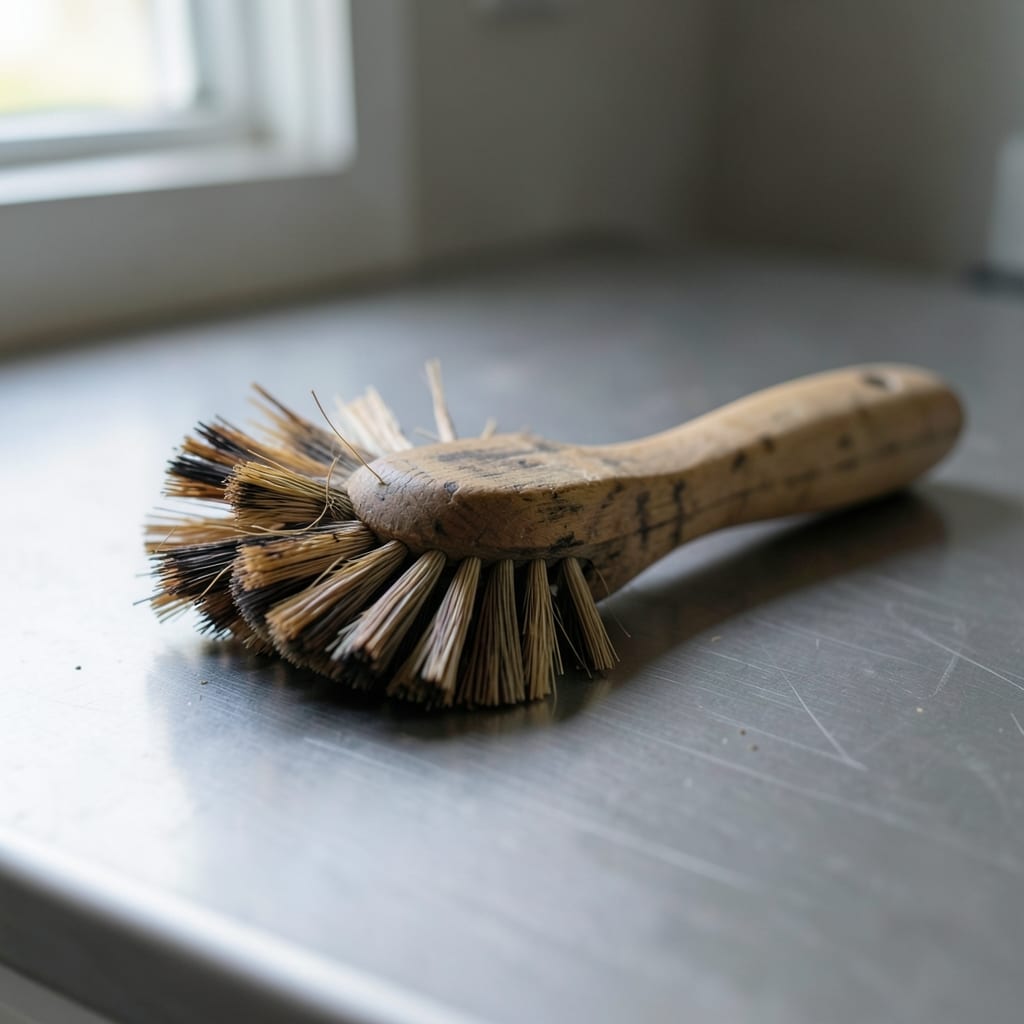
A plastic nursery tray from a hardware store, cracked down one side but still holding soil. It’s been here since the first time I tried growing tomatoes from seed, and it’s the only thing that ever survived my early attempts at indoor starts.
It taught me that failure is part of the process. The first batch of seedlings I planted in it all died from overwatering. The second batch thrived. Now, I use it to remind myself that even the cheapest tools can grow something good.
What is not in the drawer
This work does without a few things that other gardening sites might rely on.
Deliberately absent
- Fancy gadgets like soil pH meters or moisture sensors—good gardening starts with your hands and eyes.
- Brand-new tools. The best ones are often the ones that are worn out.
- Photos of perfect gardens. Every plot has weeds, pests, and uneven rows—those are the real lessons.
- Step-by-step guides for every plant. Some things just require patience and observation.
Behind the scenes

I am Jamal Sizemore, the founder and editor of Vegetable Rows. I am the one who digs in the dirt, who gets soil under my nails, who still remembers the first time I grew something from seed.
I came to this from my grandpa’s garden in upstate New York, where I learned that the best lessons aren’t in books—they’re in the way a tomato vine spreads, or how a stubborn weed finds its way through concrete.
He handed me a trowel and said, ‘Watch how the soil moves,’ and that’s what I’ve been doing ever since.
This work has given me callouses on my palms, a permanent smudge of dirt under my fingernails, and a habit of noticing how plants grow in unexpected places—cracks in the sidewalk, between pavement slabs, even in the crevices of old stone walls.
I can’t walk past a patch of clover without wondering what it’s telling me about the soil beneath it.
I am here to pass along the tricks that turn seeds into food, the lessons learned from failures, and the quiet joy of watching something grow from nothing. This site is where I share what I’ve learned, so you don’t have to make the same mistakes I did.
Why any of this matters to you
These things—the worn-out tools, the splintered board, the rusted trowel—are what make the work real. They’re in every post, every tip, every lesson about growing food. They remind us that gardening isn’t about perfection; it’s about patience, observation, and the small victories of watching something thrive.
When you read a post here, you’ll see the marks of real work: the callouses, the scars, the lessons learned the hard way. There are no shortcuts, no magic solutions—just the quiet satisfaction of knowing you grew something yourself.
Every page here is built on the same things: the tools that shape the soil, the hands that use them, and the lessons learned along the way. You won’t find perfect gardens or foolproof advice—just the real, messy, rewarding work of growing your own food.
The guides are grouped by category: Advice, Aphids, Blooming, Companion Plants, Container Gardens and Diseases.