
Vegetables
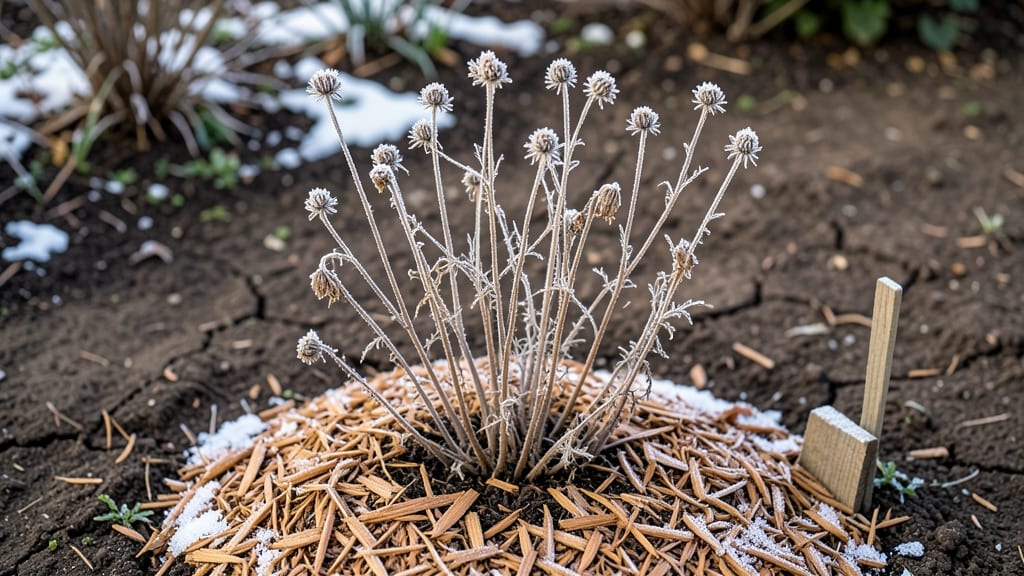
Coreopsis thrives through winter like the reliable friend you never knew you needed. 🌱 This tough perennial doesn't just survive frost—it comes back stronger, often reblooming with even more vigor than before.
I've watched mine push through snow in Zone 5, proving that winter dormancy isn't the end, but a quiet reset. The secret lies in its natural hardiness—most varieties handle 20°F without batting an eye. You don't need fancy protection unless you're dealing with extreme cold snaps.
A simple layer of mulch (2-3 inches) around the base keeps roots cozy, while deadheading spent blooms in late fall prevents seed heads from weighing down stems. By spring, you'll see fresh green shoots emerging as temperatures rise.
The first flush of blooms arrives even earlier than last year, and the plants fill out fuller than ever. It's nature's way of rewarding patience—no fuss, just reliable beauty season after season. Works for gardeners in Zones 3-9 with minimal effort. Here's how to give yours the best winter possible!
📚 In This Guide
- What you need
- Instructions
- Tips and common mistakes
- Wrapping up and next steps
What you need
- ● Pruning shears – Sharp, clean shears (bypass type) to trim back dead foliage. Quantity: 1 pair
- ● Garden gloves – Heavy-duty, cut-resistant gloves for protection. Recommended: Leather or reinforced fabric
- ● Mulch – Organic mulch like straw, shredded leaves, or wood chips (3–4 inches thick). Coverage: Spread evenly over the plant base
- ○ Garden fork or trowel – For loosening soil around roots (optional but helpful for drainage)
- ● Watering can or hose – For post-pruning hydration (if needed)
- ● Plant protectors – Frost cloth or burlap wraps for extra insulation in harsh climates
- ● Slow-release fertilizer – Light application in early spring to boost reblooming (e.g., 10-10-10 formula)
- ● Compost or worm castings – To enrich soil before new growth emerges
How to protect and prepare coreopsis for winter survival
Here’s how I keep my coreopsis thriving through frost and ready to burst back into bloom—no fuss, just smart prep.
🌿 Step 1: Assess Your Coreopsis Variety and Hardiness
First, check your coreopsis type—some varieties like Coreopsis verticillata handle winter better than others. If you’re unsure, look for USDA hardiness zones 3-9 on your plant tag. Most coreopsis are tough enough to survive winter with minimal help, but if you’re in zone 3 or colder, extra protection makes a difference.
I always give my plants a once-over in late fall. If stems are still green, they’re storing energy for next year’s growth. If they’ve already turned brown, that’s normal—they’re dormant. Either way, don’t cut them back yet. Wait until spring to prune, so you don’t accidentally remove next year’s buds hiding in the foliage.
🪴 Step 2: Clear Debris and Mulch for Insulation
Rake away fallen leaves and dead plant material from around the base—this prevents rot and pests from overwintering. Coreopsis don’t need thick mulch like some perennials, but a 2-3 inch layer of straw or shredded leaves helps regulate soil temperature. I use what’s already in my yard to avoid extra work.
Here’s the thing—don’t smother the crown. Pile mulch around the base, but leave the center exposed. Too much mulch can suffocate the plant or trap moisture, leading to rot. If your winters are harsh and snowy, a light covering of burlap over the crown works, but only if temperatures drop below 10°F. Most coreopsis bounce back fine without it.
☀️ Step 3: Monitor Moisture and Avoid Overwatering
Once the ground freezes, coreopsis go dormant and stop absorbing water. That means no watering at all—even if it looks dry. Overwatering in winter is a common mistake that leads to weak regrowth in spring. Instead, rely on natural snow cover to hydrate the soil gradually.
If you’re in a dry climate with little snow, check soil moisture in late winter. Stick your finger 2 inches deep—if it feels bone-dry, a light watering (just enough to dampen the top inch) can help. But if the ground is frozen, wait until spring thaw before watering again.
⏰ Step 4: Prune Strategically in Early Spring
Wait until late winter or early spring—when new growth appears—to prune. Cut back dead stems to 2-3 inches above the ground, but leave any green shoots alone. This encourages fresh growth from the base. I always prune on a dry, sunny day to reduce stress on the plant.
Watch for new buds forming at the base—these are your plant’s promise of another vibrant season. If you prune too early, you might accidentally remove next year’s blooms. And here’s a pro tip: sterilize your pruners with rubbing alcohol between cuts to prevent spreading disease.
🌱 Step 5: Fertilize Lightly for a Strong Rebloom
Once you see new shoots in early spring, feed your coreopsis with a balanced, slow-release fertilizer (like 10-10-10). I use about ½ teaspoon per plant—too much fertilizer can encourage leafy growth at the expense of flowers. Water it in well to help roots absorb the nutrients.
This is the moment that matters: fertilizer timing. Apply it 4-6 weeks before your last frost date, not right after pruning. The goal is to fuel blooms, not just foliage. If your soil is rich, you might skip this step entirely—coreopsis are forgiving and don’t need much to thrive.
Tips & tricks for protecting coreopsis through winter
Real talk: Coreopsis are tough, but these small tweaks make all the difference between a plant that barely survives and one that thrives after frost.
Variety Matters: If you're in USDA zone 3 or colder, focus on Coreopsis verticillata—it's the hardiest variety and handles extreme cold best. For zones 4-9, most varieties will bounce back fine with basic protection. I learned this the hard way after losing a few delicate varieties in my first harsh winter.
Mulch Like a Pro: When you're adding that 2-3 inch layer of straw or shredded leaves in Step 2, think "loose and breathable." Packing it down creates a moisture trap that can rot stems. Instead, fluff it up like a nest around the base—just enough to insulate without suffocating. And if you're in a snowy climate, that burlap covering only needs to stay on when temps drop below 10°F—not all winter long.
Spring Pruning Secret: That 2-3 inch cut in Step 4 is your chance to spot next year's blooms. Look for tiny green buds at the base—these are your plant's promise of summer color. If you see them, leave those stems alone! Only cut back completely dead growth. I've accidentally pruned away future blooms by being too eager in early spring.
Fertilizer Timing is Everything: The 4-6 week window before your last frost date is critical for that ½ teaspoon of 10-10-10 fertilizer. Apply it when you see those first green shoots poking through—this tells the plant "it's time to bloom, not just grow leaves." I've seen coreopsis produce all foliage and no flowers when fertilized too early.
Pro Tips for Coreopsis In Winter
- Real talk: Coreopsis are tough, but these small tweaks make all the difference between a plant that barely survives a...
- Variety Matters: If you're in USDA zone 3 or colder, focus on Coreopsis verticillata—it's the hardiest variety and ha...
- Mulch Like a Pro: When you're adding that 2-3 inch layer of straw or shredded leaves in Step 2, think "loose and brea...
Frequently asked questions
Got questions about keeping your Coreopsis thriving through winter? Here are answers to the most common ones—so you can enjoy those cheerful blooms come spring!
Do Coreopsis plants die in winter?
Most Coreopsis varieties are hardy perennials, meaning they’ll die back above ground in winter but survive underground. In cold climates (Zones 4-5), mulch heavily with straw or leaves to protect roots. In milder zones, they may stay semi-dormant but still benefit from a light mulch layer.
Should I cut back Coreopsis in winter?
Wait until late winter or early spring (after the last frost) to trim back dead foliage. Cut stems down to 2–3 inches above the ground. Pruning too early can expose tender roots to cold, while waiting too long may delay spring regrowth.
Can I grow Coreopsis indoors over winter?
While possible, it’s not ideal. Coreopsis thrives outdoors and struggles indoors due to low light and humidity. Instead, focus on protecting outdoor plants with mulch. If you must overwinter indoors, use a bright, cool spot (50–60°F) and keep soil lightly moist.
Will Coreopsis come back if it looks dead in winter?
Yes! Even if stems look brown and crispy, the roots are likely alive. Avoid disturbing the soil—just add mulch for insulation. New growth usually emerges in early spring, often by March or April, depending on your climate.
Are there winter-blooming Coreopsis varieties?
Most Coreopsis varieties are summer bloomers, but some, like Coreopsis verticillata ‘Moonbeam’, may produce sparse flowers in late fall or early winter in mild climates. For year-round color, pair them with winter-hardy plants like hellebores or pansies.
Wrapping up and next steps
Caring for coreopsis in winter isn’t just possible—it’s rewarding! With the right prep, like mulching and pruning, these hardy perennials will thrive and burst back to life with vibrant blooms come spring. 🌱 Your efforts now mean a stunning, low-maintenance garden later.
Ready to see your coreopsis shine? Take action this week:
- Inspect your plants for winter damage.
- Add a fresh layer of mulch if needed.
- Mark your calendar for early spring pruning!