
Vegetables
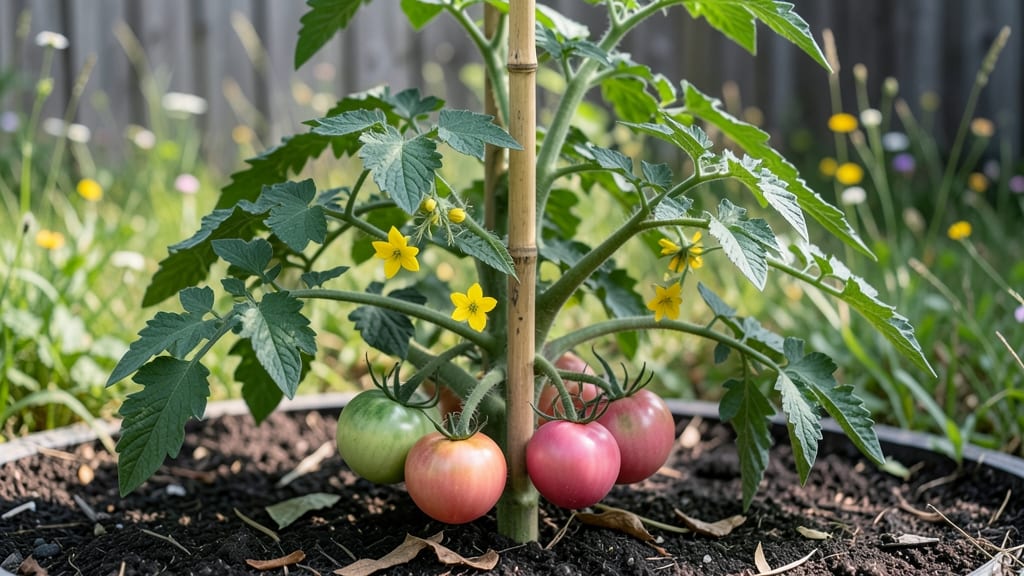
The Chef's Choice Pink tomato thrives where others fail—my first harvest in Zone 4 proved it. 🌱 This cold-hardy variety sweetens late-season gardens with flavors that rival heirlooms, even when summer fades into crisp air. The secret? Matching its timing to your climate's last warm stretch, not the calendar.
You'll need a sturdy 5-gallon container or well-drained soil, plus a cage or trellis—these plants grow 6-8 feet tall when happy. Start seeds indoors 8-10 weeks before last frost, then transplant after soil warms to 60°F.
The key is patience: these tomatoes take 85-90 days to fruit, but the payoff is worth it. By mid-August, you'll be picking 1-pound fruits with a balance of sweetness and tang—perfect for slicing or sauces.
The plants keep producing until frost, and with proper pruning (remove suckers weekly), you'll double your yield. My first harvest fed us for weeks, and the neighbors kept asking for seeds. Cold climates aren't a limitation—it's about working with the season's rhythm.
Plant early, protect from late frosts, and watch these pink beauties outperform heat-loving varieties. Here's how to make it happen in your garden.
📚 In This Guide
- What you need
- Instructions
- Tips and common mistakes
- Wrapping up and next steps
What you need
- ● Seeds: Chef’s Choice pink tomato seeds (1 packet, ~20-30 seeds)
- ● Containers or garden beds: 5-gallon pots (3–5) OR
- ● Well-draining raised beds (minimum 12" deep, 4' x 8' for 2–3 plants)
- ● Potting mix: High-quality, sterile seed-starting mix (5–10 lbs) or organic garden soil (amended with compost)
- ● Fertilizer: Balanced 10-10-10 fertilizer (1 lb) OR
- ● Organic options: fish emulsion or compost tea (ready-to-use)
- ● Grow lights or sunny window: 12–16 hours of light daily (for seedlings)
- ● Watering can or hose: With a gentle spray nozzle
- ● Cold-frame or row covers: Frost cloth or plastic tunnel (for extending the season)
- ● Hand trowel (for transplanting seedlings)
- ● Pruning shears (to manage growth and remove suckers)
- ● Stakes or cages: 5–6 ft tall (2–3 per plant for support)
- ● pH test kit (ideal soil pH: 6.0–6.8)
- ● Mulch: Straw or shredded leaves (2–3 inches to retain moisture)
- ○ Optional but helpful: Seedling heat mat (for faster germination)
- ● Drip irrigation system (for consistent watering)
- ● Trellis (for vertical growing in small spaces)
Step-by-Step instructions for growing chef's Choice pink tomatoes in cold climates
Cold-hardy varieties like Chef's Choice Pink thrive with the right timing and protection—here's how to coax them through chilly springs and late falls.
🌱 Step 1: Start Seeds Indoors 8-10 Weeks Before Last Frost
Fill 3-inch deep seedling trays with sterile seed-starting mix and plant 2-3 seeds per cell at a depth of ¼ inch. The key with cold-climate tomatoes is early starts—they need time to develop strong roots before facing cool soil. I like to use a seedling heat mat to maintain 75-80°F soil temperatures, which speeds germination to 5-7 days instead of the usual 10.
Once sprouts emerge, remove the heat mat but keep the seedlings in bright light. Without sufficient light, they'll stretch toward any available source, creating weak stems that can't support heavy fruit later. You'll know they're getting enough light when the leaves are dark green and compact rather than pale and spaced far apart.
🪴 Step 2: Harden Off and Transplant After All Frost Risk Has Passed
Two weeks before your last frost date, begin hardening off seedlings by placing them outside in a sheltered spot for 1-2 hours daily. Gradually increase exposure over 7-10 days, ending with full sun. Cold-climate tomatoes need this gradual transition—they're tougher than most varieties, but sudden temperature swings still shock them.
Transplant after the soil has warmed to at least 55°F and remains above 60°F consistently. I use black plastic mulch to warm the soil faster and protect against late frosts. Bury the stem slightly deeper than in the seedling tray—this encourages stronger root development at the buried portion.
☀️ Step 3: Provide Season-Long Support and Protection
Chef's Choice Pink tomatoes need full sun (6-8 hours daily) and sturdy support. I use 5-foot tall cages or stakes to prevent sprawling. In cold climates, a floating row cover during early and late season extends the harvest by 2-3 weeks by keeping soil and air temperatures 5-10°F warmer.
Water deeply 1-2 inches per week, focusing on the root zone rather than overhead. Wet foliage invites disease, especially in cool, humid conditions. You'll see the plants respond to consistent moisture with glossy leaves and rapid vine growth—this is when they're ready for a balanced fertilizer to support fruit development.
✂️ Step 4: Prune and Harvest for Maximum Yield
Prune suckers (the small shoots that form in the leaf axils) regularly to direct energy into fruit production. I remove them when they're 2-3 inches long—any longer and they'll compete with the main plant. Leave 3-4 main stems to carry the fruit load, as this variety produces heavy clusters.
Harvest when tomatoes are fully colored and slightly soft to the touch. Chef's Choice Pinks ripen over 80-85 days, but in cold climates, I often pick them at the "breaker" stage (when they first turn pink) and finish ripening indoors. This prevents frost damage and lets you enjoy them even when nights drop below 50°F.
Tips & tricks for growing cold-hardy tomatoes
Cold-climate tomato growing comes with unique challenges—but these tricks will help you turn those chilly seasons into a bountiful harvest.
Seedling Heat Mat Secret: That 75-80°F soil temperature range is critical for fast germination. I've found that placing a seedling heat mat under your trays cuts germination time from the usual 10 days down to 5-7 days. Pro tip: Keep the heat mat on for the first 7-10 days after planting, then remove it once sprouts emerge to prevent overheating. The mat creates the perfect environment for those delicate roots to establish quickly before facing cooler outdoor conditions.
Harden Off Gradually: The 7-10 day hardening process in Step 2 is where many growers make mistakes. I recommend starting with just 1 hour on day one in a sheltered spot, then adding 30 minutes each subsequent day. Watch for wilting—this is your signal to slow down. Cold-climate varieties handle temperature swings better than most, but sudden exposure can still shock them. If nights dip below 50°F, bring seedlings back inside temporarily.
Transplanting Temperature Check: Never rush transplanting! The 55°F minimum soil temperature is non-negotiable—below this, roots struggle to establish. I've learned the hard way that even if air temperatures seem warm, cool soil can stunt growth. Use a soil thermometer to confirm 60°F+ consistently before planting. Black plastic mulch raises soil temps by 5-10°F, which is why I always use it in cold regions—it's worth the extra effort for that extended growing season.
Floating Row Cover Strategy: That 2-3 week harvest extension from using floating row covers is one of my favorite cold-climate secrets. The covers work best when draped loosely over cages or stakes—don't let them touch the plants, as this creates humidity that invites disease. Remove covers during the day when temperatures rise above 70°F to prevent overheating. I've seen plants produce fruit well into October using this method, even when nighttime temps drop below 50°F.
Pro Tips for Chef'S Choice Pink Tomato
- Cold-climate tomato growing comes with unique challenges—but these tricks will help you turn those chilly seasons int...
- Seedling Heat Mat Secret: That 75-80°F soil temperature range is critical for fast germination. I've found that placi...
- Harden Off Gradually: The 7-10 day hardening process in Step 2 is where many growers make mistakes. I recommend start...
Frequently asked questions
When is the best time to plant Chef’s Choice Pink Tomatoes in cold regions?
Start seeds indoors 6–8 weeks before your last frost date (typically March–April in cold zones). Transplant seedlings after soil warms to 60°F+—usually late May or early June. Use black plastic mulch or row covers to extend the season. Pro tip: Cold-hardy varieties like Chef’s Choice tolerate brief chills better than heirlooms, but always wait for stable warmth!
How do I protect my plants from late frosts or cool nights?
Use frost blankets or row covers until nighttime temps stay above 50°F. For extra insulation, try straw mulch around the base or plant near windbreaks (like corn or sunflowers). If frost hits, cover plants immediately—even Chef’s Choice can suffer if temps drop below 32°F. Bonus: A cloche or cold frame can buy you 2–4 extra weeks of growth!
Why are my Chef’s Choice Pink tomatoes cracking or splitting?
Cracking usually happens when uneven watering causes rapid growth. Keep soil consistently moist (1–2 inches deep) but avoid soggy conditions. Fix: Mulch heavily to stabilize moisture, and water deeply in the morning to reduce stress. Over-fertilizing with nitrogen (too much leafy growth) can also trigger splits—balance with potassium-rich amendments like wood ash.
Can I swap Chef’s Choice Pink for another cold-hardy tomato variety?
Yes! If Chef’s Choice isn’t available, try these cold-tolerant alternatives:
- ‘Mountain Merit’ – Disease-resistant, reliable in Zone 4.
- ‘Stupice’ – A Czech heirloom that handles frost better than most.
- ‘Glacier’ – Compact and early-producing for short seasons.
How long does it take for Chef’s Choice Pink tomatoes to fruit in cold climates?
Expect 70–85 days from transplant to first ripe tomato, but cold delays can stretch this to 90–100 days in short seasons. To speed things up:
- Use grow lights for seedlings.
- Plant in warm microclimates (south-facing walls, greenhouses).
- Choose determinate varieties (bush types) for earlier harvests.
Wrapping up and next steps
Growing chef’s choice pink tomatoes in cold climates isn’t just possible—it’s rewarding! With the right techniques, like early planting, protective coverings, and strategic pruning, you’ll unlock a harvest of sweet, vibrant tomatoes even when temperatures dip. Your garden (and taste buds) will thank you!
Ready to dive in? Start small—plant a few seeds or seedlings this season, and let your confidence (and harvest) grow. Grab your gloves and get planting! 🌱✨