
Vegetables
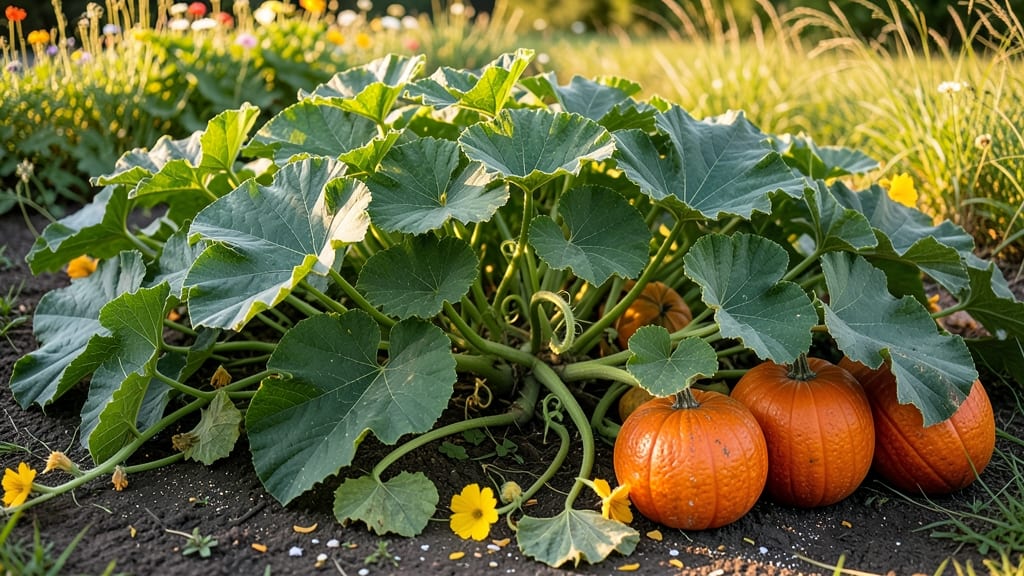
How to grow large pumpkins over 50 pounds starts with the right variety and warm soil—no shortcuts. 🌱 I’ve watched my ‘Atlantic Giant’ seeds turn into monsters by late October, and the secret isn’t just water or fertilizer—it’s the timing of everything. Plant too early, and you’ll get stunted growth; too late, and the season won’t cooperate. The difference between a 20-pounder and a 100-pounder often comes down to these early decisions.
You’ll need a 100-square-foot patch of rich, well-draining soil (think compost-heavy loam) and plenty of space—these vines sprawl like lazy cats in a sunbeam. Most beginners underestimate how much room pumpkins need, and that’s when you end up with crowded, bitter fruit.
I’ve learned the hard way: give those vines room to stretch, or watch your harvest shrink. The payoff? A single vine can produce 3-5 giant pumpkins if you play your cards right.
By midsummer, you’ll be wrestling with 50-pound fruits that look like they’re about to split open—don’t panic. The key is consistent watering (1-2 inches per week) and balanced fertilization (switch to low-nitrogen feed by late summer).
I’ve seen pumpkins crack under their own weight, but proper care keeps them firm and ready for harvest. The smell of ripe pumpkin in the fall? That’s the real reward.
This method works best in zones 4-10, but even in cooler climates, you can extend the season with row covers. The hardest part? Waiting. But when you finally lift that 50+ pound beast from the vine, every late night and careful watering feels worth it.
Ready to grow one of your own?
📚 In This Guide
- What you need
- Instructions
- Tips and common mistakes
- Wrapping up and next steps
What you need
- ● Pumpkin Seeds: Choose heirloom varieties like Atlantic Giant, Big Max, or Dill’s Atlantic Giant—these are bred for size! (Buy 2-4 seeds per hill for redundancy.)
- ● Growing Space: 10’ x 10’+ plot per pumpkin (giants need room to sprawl!).
- ● Well-draining, fertile soil (pH 6.0–6.8). Amend with compost or aged manure before planting.
- ● Fertilizer: Balanced 10-10-10 or 5-10-10 (1 lb per 100 sq ft) at planting.
- ● High-nitrogen (21-0-0) for vines (1 lb per 100 sq ft) when vines are 12” long.
- ● Potassium-rich (0-0-50) at flowering (boosts fruit growth!).
- ● Watering Supplies: Drip irrigation or soaker hose (pumpkins need 1–2 inches of water weekly, especially during flowering/fruiting).
- ● Garden hose with adjustable nozzle (for deep watering).
- ○ Support & Protection: Wire cages or trellis (optional, but helps lift fruits off damp soil to prevent rot).
- ● Row covers or shade cloth (30–50%) to protect from pests like squash bugs.
- ● Straw or black plastic mulch (to retain moisture and suppress weeds).
- ● Pruning Tools: Sharp pruning shears (to remove excess vines and encourage fruit growth).
- ● Gloves (pumpkin vines are thorny!).
- ● Harvesting Gear: Large tarp or board (to slide under pumpkins before lifting).
- ● Pruning saw or handsaw (for cutting stems of massive pumpkins).
- ● Mycorrhizal fungi (boosts root growth—mix into soil at planting).
- ● Fish emulsion or seaweed extract (foliar spray for extra nutrients).
- ● Pumpkin growing kits (pre-made cages or raised beds for beginners).
- ● GPS or measuring tape (to track vine growth and spacing!).
Step-by-Step instructions for growing giant pumpkins
Here's how I've consistently grown pumpkins over 50 pounds—using proven techniques to maximize size and yield.
🌱 Step 1: Select and Prepare the Best Variety
Choose a giant pumpkin variety like 'Atlantic Giant', 'Big Max', or 'Mammoth Gold'—these are bred specifically for massive fruit. Start seeds indoors 4-6 weeks before your last frost date, using 75°F soil temperatures for best germination. I like to use a seedling heat mat to maintain warmth.
Transplant seedlings outdoors only after soil temperatures reach 60°F and all danger of frost has passed. Giant pumpkins need a long, warm growing season—90-120 days minimum. If your season is shorter, opt for an earlier-maturing giant variety like 'Howden'.
🪴 Step 2: Plant in Rich, Well-Draining Soil
Test your soil first—giant pumpkins thrive in 6.0-7.0 pH with high organic matter. Amend with compost and a balanced 10-10-10 fertilizer at planting time. I dig in a 2-inch layer of compost mixed into the top 12 inches of soil in a 6-foot diameter circle around each plant.
Space plants 6-8 feet apart—crowding reduces fruit size. Giant pumpkins need room to sprawl. Plant seeds 1-1.5 inches deep and cover lightly. Water deeply after planting to settle the soil and encourage root development. You'll know you've done it right when the soil feels uniformly moist but not soggy.
☀️ Step 3: Provide Full Sun and Support for Vines
Giant pumpkins require full sun—6+ hours daily. Choose a location with morning sun and afternoon shade if possible, as hot afternoons can scorch leaves. Install a trellis or wire frame at planting to support vines as they grow. I use a 12-foot tall T-post trellis with horizontal wires every 2 feet.
Train vines up the trellis to improve air circulation and reduce disease risk. Prune side shoots to focus energy on one main stem and 3-4 female flowers per plant. You'll recognize female flowers by their tiny pumpkin at the base. Remove all but the strongest fruit—overloading the plant with too many pumpkins stunts growth.
💧 Step 4: Water Deeply and Fertilize Strategically
Water deeply 2-3 times per week, aiming for 1-2 inches of water per session. Giant pumpkins need consistent moisture—let the top 2 inches of soil dry out between waterings to prevent root rot but never let the soil become bone-dry. I use drip irrigation to deliver water directly to the roots, reducing leaf wetness and disease risk.
Fertilize every 2 weeks with a low-nitrogen, high-potassium blend (like 5-10-10) to encourage fruit development. Stop fertilizing 4-6 weeks before harvest to allow the pumpkin to harden and mature. You'll see the best results when the vine near the pumpkin turns brown and dies back naturally.
⏰ Step 5: Monitor for Pests and Harvest at Peak Ripeness
Watch for squash vine borers, cucumber beetles, and powdery mildew—common pests and diseases in giant pumpkin growing. I use row covers early in the season to prevent cucumber beetles, which spread bacterial wilt. Apply neem oil at the first sign of powdery mildew and prune affected leaves immediately.
Harvest when the pumpkin's stem is dry and papery and the rind is hard enough to pierce with your fingernail. Use a pruning saw to cut the stem, leaving 2-3 inches of stem attached to the pumpkin. Cure harvested pumpkins in a warm (80-85°F), dry, and well-ventilated space for 10 days to develop a tougher skin and longer shelf life.
Tips & tricks for growing giant pumpkins
Took me years of trial and error to master these tricks—here's what nobody tells you about cultivating pumpkins that actually break the 50-pound mark.
Soil Temperature Secret: That 75°F soil temperature for germination isn't just a suggestion—it's make-or-break. I've ruined batches by planting too early when soil was only 65°F. Use a soil thermometer to confirm warmth before planting. For extra insurance, I bury a heat cable in the planting hole if my spring soil runs cold.
Pruning Strategy: In Step 3, when you're training vines, focus on removing all side shoots except the first 3-4 female flowers. I learned this the hard way after letting my plant grow 12 fruits—only 2 reached maturity. The plant's energy gets divided too thinly. Look for flowers with tiny pumpkins at their base to identify females.
Watering Wisdom: The 2-3 times per week watering schedule works only if you're consistent. I set up a drip irrigation system on a timer to deliver 1-2 inches each session. In extreme heat, I increase to daily watering but watch for yellowing leaves—overwatering is just as deadly as underwatering. The top 2 inches of soil should dry between waterings, but never let it get bone-dry.
Harvest Timing: That 10-day curing period at 80-85°F is non-negotiable for shelf life. I've tried skipping it and ended up with pumpkins that rotted within weeks. Use a small greenhouse or even a sunny garage to maintain the warm, dry conditions. Check for a dry stem and hard rind before harvesting—these are your only reliable indicators.
Pro Tips for Grow Large Pumpkins
- Took me years of trial and error to master these tricks—here's what nobody tells you about cultivating pumpkins that ...
- Soil Temperature Secret: That 75°F soil temperature for germination isn't just a suggestion—it's make-or-break. I've ...
- Pruning Strategy: In Step 3, when you're training vines, focus on removing all side shoots except the first 3-4 femal...
Frequently asked questions
Got questions about growing giant pumpkins? You’re not alone! Here are answers to the most common queries from fellow pumpkin enthusiasts—because even the best gardeners need a little guidance.
What’s the best variety for growing giant pumpkins?
For massive pumpkins (50+ pounds), stick with Cucurbita maxima varieties like Atlantic Giant, Mammoth Gold, or Howden. These hybrids are bred for size and disease resistance. Avoid smaller varieties like Sugar Pie—they’re great for pies, not records!
How long does it take to grow a giant pumpkin?
Giant pumpkins need a 90–120 day growing season from seed to harvest. Start seeds indoors 4–6 weeks before the last frost, then transplant seedlings into hills after soil warms to 70°F+. Patience is key—rushing leads to smaller fruits!
Why are my pumpkins cracking or rotting?
Cracking usually means uneven watering (soak soil deeply 2–3x/week) or over-fertilizing with nitrogen. Rot? That’s often powdery mildew or blossom end rot. Improve airflow, use fungicide sprays, and mulch to keep roots cool.
Do giant pumpkins need full sun?
Absolutely!
Giant pumpkins thrive in 6–8+ hours of direct sunlight daily. Partial shade slows growth and reduces fruit size. If your garden lacks sun, consider container growing in a sunny spot or use reflective mulch to maximize light.
When is the best time to harvest a giant pumpkin?
Harvest when the stem dries and papery (not green) and the rind can’t be pierced with a fingernail. Use a serrated knife to cut the stem, leaving 3–4 inches attached. Cure pumpkins in 80–85°F for 10 days to harden the skin.
Can I grow giant pumpkins in containers?
Yes, but only small giants (20–30 lbs). Use a 5-gallon+ container with drainage, high-quality potting mix, and a trellis for vines. Varieties like Jarrahdale adapt better than Atlantic Giant. Containers dry out faster—water daily!
Wrapping up and next steps
Growing a 50+ pound pumpkin is no small feat—it takes patience, the right techniques, and a little bit of luck! 🌱 But with the perfect blend of space, soil, pollination, and care, you’re well on your way to carving (or cooking!) a monster-sized harvest.
Remember, consistency is key—whether it’s pruning, feeding, or protecting your vines, every step matters.
Ready to show off your giant pumpkin? Share your progress with fellow gardeners, enter a local contest, or even donate your harvest to a food bank. Now grab those pruners and get growing! 🚀