
Plants
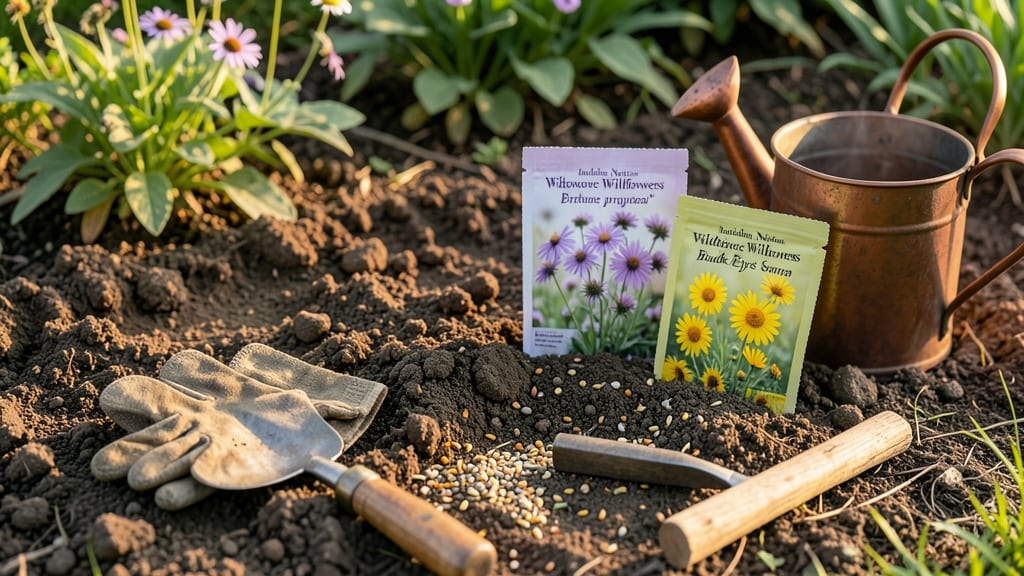
Planting wildflower seeds in Indiana at the right time means a summer-to-fall garden bursting with color 🌼 — and skipping the guesswork.
Indiana’s unpredictable spring weather can make planting wildflower seeds a guessing game—but timing them right ensures a burst of color from early summer to fall. Follow this expert-backed guide to maximize blooms in USDA Zones 5-6.
Most gardeners in Indiana get it wrong by planting too early, only to watch seeds rot in cold, soggy soil. The key is waiting for soil temperatures to hit 50°F or warmer, which typically lands in early April for most of the state.
Below, I break down the exact planting windows for spring and fall, how to adjust for late frosts, and the best seed mixes for Indiana’s climate to guarantee vibrant blooms all season long.
Best planting windows for Indiana wildflowers by season
Indiana’s USDA Zones 5b-6b offer two prime planting windows for wildflowers: early spring and late summer/fall. Each season caters to different species—cool-season annuals like cosmos thrive in spring, while perennials like black-eyed Susans establish best in fall.
Timing matters because soil temperatures below 50°F delay germination, and late frosts can wipe out tender seedlings.
For northern Indiana (Zone 5b), aim for March 15–April 15 in spring and August 15–September 15 in fall. Southern Indiana (Zone 6b) has a 2-week buffer—plant March 1–April 30 in spring and August 1–October 1 in fall.
These windows align with Indiana’s average last frost dates (April 15 in the north, April 1 in the south) and first frost dates (October 15–October 30).
🌱
| Season | Ideal Planting Month | Best For | Soil Temp Requirement | Notes |
|---|---|---|---|---|
| Spring | March 15–April 15 | Annuals (cosmos, zinnias) | 45–55°F | Plant after last frost; cover seeds lightly with soil. |
| Spring | April 1–April 30 | Perennials (coneflower, bee balm) | 50–60°F | Wait for soil to warm; mulch to retain moisture. |
| Fall | August 15–September 15 | Perennials (black-eyed Susan, goldenrod) | 60–70°F | Seeds need 6–8 weeks to germinate before frost. |
| Fall | September 1–October 1 | Biennials (foxglove, hollyhock) | 55–65°F | Plant early enough for root establishment. |
Spring planting is ideal for heat-loving annuals like cosmos and sunflowers, which germinate quickly in warm soil. However, late frosts (common in northern Indiana) can damage seedlings. To mitigate risks, use row covers or plant heat-sensitive species like snapdragons in late May after the frost danger has passed.
Fall planting, on the other hand, gives perennials and biennials a head start. Seeds sown in August–September germinate slowly as temperatures cool, then establish roots before winter. This method reduces spring competition from weeds and ensures stronger plants the following year.
For example, black-eyed Susans planted in fall often bloom earlier and more vigorously than spring-sown seeds.
🌿
Indiana’s microclimates play a key role in timing. Urban areas like Indianapolis (Zone 6a) warm up faster than rural northern Indiana (Zone 5b). If you’re in a warmer microclimate, you can push spring planting to late April or even early May for heat-tolerant species.
Conversely, gardeners in cooler valleys should stick to March planting or use cold frames to extend the season.
For direct seeding, prepare the soil by removing weeds and loosening the top 2–3 inches of soil. Wildflower seeds are tiny, so avoid burying them deeply—most need light to germinate. A light raking or pressing the seeds into the soil is usually enough.
After sowing, water gently to avoid displacing seeds, and keep the soil consistently moist until germination (typically 10–21 days, depending on the species and temperature).
💧
Pro tip: Use a soil thermometer to check temperatures before planting. Most wildflower seeds need soil temps of at least 50°F for consistent germination. In spring, this usually aligns with mid-April in southern Indiana and late April in the north.
For fall plantings, aim for soil temps between 60–70°F, which typically occurs in late August. If temps drop below these thresholds, delay planting until conditions improve.
Finally, consider your wildflower mix. Native species like purple coneflower and butterfly weed are perennial and thrive with minimal care, making them perfect for fall planting. In contrast, annuals like zinnias are best sown in late spring for summer blooms. Matching your seeds to the season ensures
How to adjust planting timing for Indiana’s unpredictable weather
Indiana’s late spring frosts can turn a perfect planting day into a risky gamble for wildflowers. Even in USDA Zones 5b-6b, temperatures can swing wildly—one week may feel like summer, while the next brings frost warnings. The key to success? Flexible timing and smart adjustments based on your microclimate.
Northern Indiana gardeners (like those in Fort Wayne) often face 2-3 weeks later frost dates than southern Indiana (near Evansville). Use the 50°F soil temperature rule as your guide—most wildflower seeds won’t germinate reliably until the soil consistently stays above this mark. A soil thermometer is your best friend here!
🌱 3 Pro Tips to Beat Indiana’s Weather
- 1. Test soil temperature daily—plant only when it hits 50°F+ for 5+ days. Use a soil thermometer (not air temp!) to avoid false starts.
- 2. Use row covers for early spring plantings. A lightweight frost blanket can protect tender seedlings from 28°F+ temperatures, buying you 2-3 extra weeks of planting time.
- 3. Fall planting is your backup. Sow native perennials like black-eyed Susans or coneflowers in late August-September. They’ll establish roots before winter and bloom earlier next year.
For gardeners in northern Indiana, wait until mid-to-late May for spring planting—this reduces frost risk. Southern Indiana can start as early as early April, but always check your local Indiana State Climate Office for recent frost data.
I’ve planted cosmos seeds in early April only to lose them to a surprise frost—don’t make my mistake!
If spring drags on (like in 2023’s delayed season), consider starter trays indoors. Begin sowing wildflower seeds in late February under grow lights, then transplant outdoors after the last frost.
This method works especially well for annuals like zinnias, which need a longer growing season to reach full bloom.
Never underestimate the power of mulch. A 2-inch layer of straw after planting helps regulate soil temperature, keeping seeds from drying out in sudden heat waves. It also suppresses weeds, giving your wildflowers a competitive edge during their critical first weeks.
Remember: Indiana’s weather is unpredictable, but your garden doesn’t have to be. By combining soil temperature checks, row covers, and fall backups, you’ll turn uncertainty into a wildflower success story. 🌸