
Plants
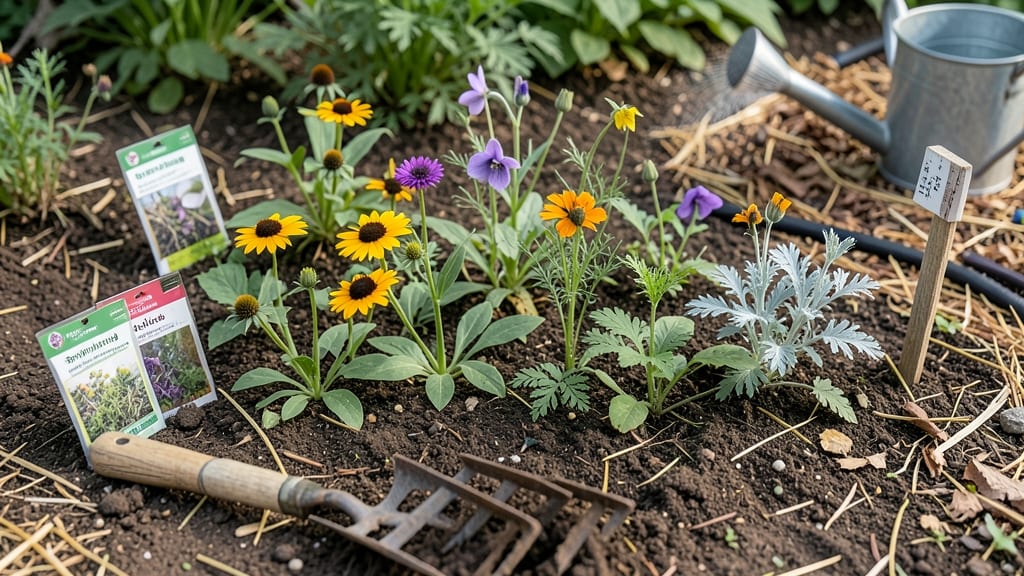
Planting wildflower seeds in spring is all about timing them right to beat the first frost—wait too long, and your 🌼 blooms might never take root.
Timing your wildflower seed planting just right can mean the difference between a vibrant meadow and a season of disappointment—especially when spring’s unpredictable weather throws curveballs.
In USDA Zone 6a, like much of the Midwest, early spring (March to April) is your best bet, but regional microclimates can shift those dates by weeks.
Below, I’ll walk you through the exact frost-free date ranges for your zone, how to adjust for soil temperature, and the top 5 wildflower varieties that thrive when planted at the right moment.
Best spring planting dates by USDA hardiness zones: a month-by-month guide
Spring is the perfect time to transform your garden into a wildflower haven, but getting the planting timing right is everything. Wildflower seeds need specific soil temperatures and frost-free conditions to germinate properly.
In USDA Zones 3-10, the best planting windows vary by month, region, and microclimate—whether you're in coastal California or the Midwest plains.
Most wildflower seeds prefer to be planted when soil temperatures reach 50-60°F, which typically happens after the last average frost date. However, annual wildflowers like cosmos and zinnias are more flexible, while perennial varieties such as black-eyed Susans need precise timing.
Coastal areas often have earlier frost-free dates than inland regions, so adjust accordingly.
Below is your zone-by-zone guide to planting wildflower seeds in spring, including early, mid, and late-season windows for optimal results. Use this as your frost-free date calculator to avoid common mistakes like planting too early or missing the ideal germination window.
Pro Tip: Always check your seed packet for cold-stratification requirements—some wildflowers need a cold period to break dormancy, even in spring.
If you're in Zone 3 or 4, focus on
How to adjust planting timing for your local microclimate: frost, rain, and soil factors
Your local microclimate can dramatically shift ideal planting windows for wildflowers—even within the same USDA zone. Soil temperature matters more than calendar dates, while rainfall patterns and frost risks demand local adjustments.
For example, coastal areas may plant 2-3 weeks earlier than inland zones due to milder nights, while valleys often face colder soil that delays germination by 10-14 days.
Start by checking your last frost date (not just average) from your local cooperative extension service. Then verify soil temperature thresholds—most wildflower seeds need 50-60°F soil for consistent germination. Use a soil thermometer at 2-inch depth to confirm readiness, especially for cold-stratified varieties like bluebonnets or lupines.
Early planting risks: Seed rot from cold, wet soil (❄️) or frost damage to tender sprouts. Late planting may produce weak stems and fewer blooms before first frost. Wildflower seed packets often include cold-stratification notes—follow these closely for varieties like black-eyed susans or coreopsis.
Adjust timing based on rainfall forecasts. If your area predicts 3+ inches of rain in the next 7 days, delay planting by 1-2 weeks to avoid seed washout or soil compaction from heavy water.
For drought-prone areas, consider fall planting (late August-September) to establish roots before summer heat—many wildflowers thrive with this approach.
Use seed packet instructions as your baseline but modify for local conditions. For instance, cosmos seeds can handle soil temps as low as 45°F, while lupines require 60°F+ soil.
If your spring is unpredictable, try a split planting: sow 50% of seeds at the earliest safe date, then the remaining 50% 2-3 weeks later for staggered blooms.
Monitor soil moisture after planting—keep seeds consistently moist (not soggy) until germination. In dry climates, use mulch (straw or shredded leaves) to retain moisture, while wet climates may need raised beds to prevent waterlogging. A simple rain gauge helps track how often you need supplemental watering.
Remember: Wildflowers are resilient but not invincible. The key is balancing soil warmth, moisture consistency, and frost avoidance. Start with small test plots if unsure—this lets you adjust timing without risking your entire meadow.
With practice, you’ll master your microclimate’s quirks and enjoy vibrant blooms season after season. 🌼