
Plants
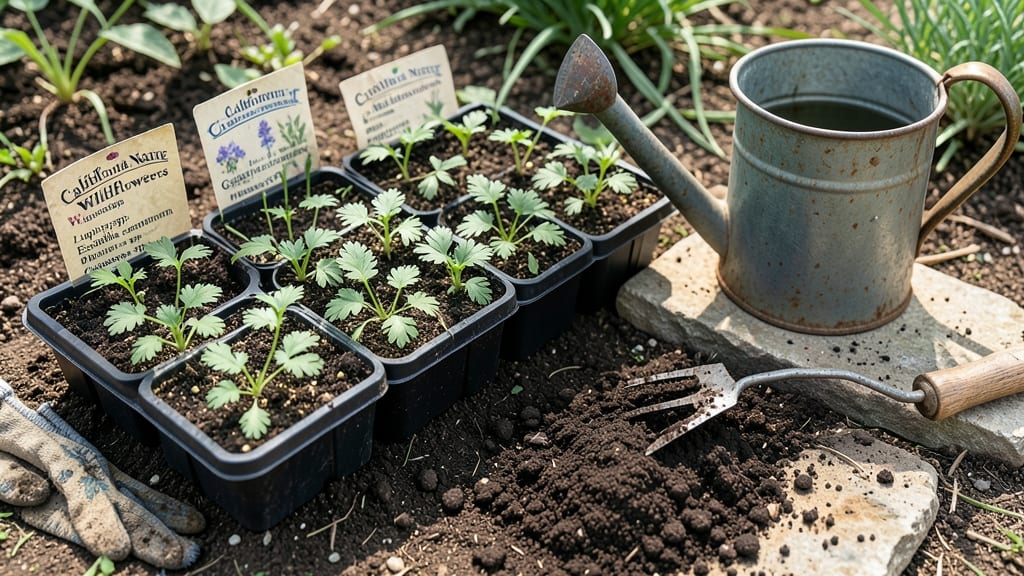
Planting wildflower seeds in California at the right time means the difference between a vibrant spring meadow and a patch of dirt.
California’s diverse climates—from coastal fog to desert heat—mean wildflower success hinges on planting at the perfect time. Plant too early, and seeds rot; too late, and blooms vanish before summer’s peak.
Whether you’re in USDA Zone 9a or 10b, timing matters. Fall planting (September–November) is ideal for most regions, while winter sowing (January–March) works for coastal areas where frost lingers.
Below, I’ll break down the best months by zone, soil prep tips, and how to keep your 🌼 wildflowers thriving—so you can enjoy blooms from March to June.
California’s best wildflower planting months by USDA Zone
California’s wildflower meadows burst with color when planted at the right time—but timing varies dramatically across USDA zones 7–11. Coastal areas like San Francisco (Zone 7–9) thrive with fall planting, while desert regions (Zone 10–11) like Palm Springs need winter sowing to avoid summer heat.
Even within zones, microclimates (like Sierra foothills vs. Central Coast) shift ideal windows by weeks. Let’s break down the best months for each zone to ensure your seeds germinate, not rot.
Most California wildflowers prefer cool-season germination, meaning fall or early winter planting yields the most vibrant spring blooms. However, desert zones (10–11) often succeed with late winter planting to avoid summer drought.
Coastal areas (Zones 7–9) can stretch planting into early spring due to milder winters, while inland valleys (Zones 9–10) should finish by February to avoid heat stress. Below, we’ll map out the exact windows for each zone, plus microclimate tweaks.
Pro Tip: Always check soil temperatures—most wildflower seeds need 40–60°F soil to germinate. Use a soil thermometer or wait for consistent morning fog (coastal) or cooler nighttime temps (desert) as natural cues.
🌼 California Wildflower Planting Timeline by USDA Zone
| Zone & Region | Best Planting Months | Soil Temp for Germination | Microclimate Adjustments | Key Wildflowers to Plant |
|---|---|---|---|---|
| 7–9 (Coastal: San Francisco, Monterey) | September–November (Fall) or January–March (Winter) | 40–60°F | Plant in October–November for coastal fog protection; avoid December if heavy rains are forecasted. | California poppy, lupine, checkerbloom |
| 9–10 (Valley: Sacramento, Central Coast) | October–December (Fall) or January–February (Winter) | 45–65°F | Finish by February in valleys; Sierra foothills can extend to March due to cooler temps. | Goldenrod, tidy tips, blue-eyed grass |
| 10–11 (Desert: Palm Springs, Joshua Tree) | December–February (Winter) | 50–70°F (warmer soil tolerated) | Plant after first rains (October–November) or use irrigation to trigger germination by December. | Desert marigold, brittlebush, evening primrose |
| All Zones (Microclimate Exceptions) | August (High Elevation) or April (Late Spring) | Varies | High elevation (e.g., Lake Tahoe): Plant in August for fall blooms. Late spring (April) works in sheltered microclimates. | Farewell-to-spring, chocolate lilies |
For Zone 7–9 coastal areas, like San Francisco or Santa Barbara, the ideal window is September–November. The cool, foggy coastal climate keeps soils moist longer, reducing the risk of seeds drying out.
If you miss fall, January–March is your second chance—just ensure no frost is forecasted. California poppies and lupines thrive here, but avoid planting after December unless you’re prepared to protect seeds from heavy rains, which can wash them away.
Inland valley zones (9–10), such as Sacramento or Fresno, shift slightly later due to warmer nights.
Aim for October–December planting, with a hard cutoff by February to avoid spring heat stress. Goldenrod and tidy tips love this zone, but Sierra foothills (e.g., Yosemite area) can extend planting to March thanks to cooler high-elevation temps.
Always check local frost dates—some foothill areas can have late spring frosts as late as April.
Desert zones (10–11) like Palm Springs or Joshua Tree are the outliers. Here, winter rains trigger germination, so plant December–February after the first significant rainfall. Desert marigolds and brittlebush are native champions, but avoid planting in summer—se
Top 5 wildflower seed types and their optimal planting windows
Timing your wildflower seeds correctly is the secret to a burst of color that lasts for years. California’s microclimates mean what works in coastal San Francisco (Zone 7) fails in desert Palm Springs (Zone 11).
Each wildflower variety has unique germination triggers, whether it’s cool fall rains or spring soil warmth. Let’s dive into the top 5 wildflowers and their perfect planting windows for California’s diverse regions.
For California poppies (Eschscholzia californica), the gold standard of wildflowers, aim for late fall (November) in coastal areas where mild winters prevent seed rot.
Inland zones (8–10) can start as early as October, but wait until December in hot desert zones (10–11) to avoid premature sprouting from winter rains. These annuals need 60–90 days of cool weather to germinate, so timing is critical for spring blooms.