
Companion Plants
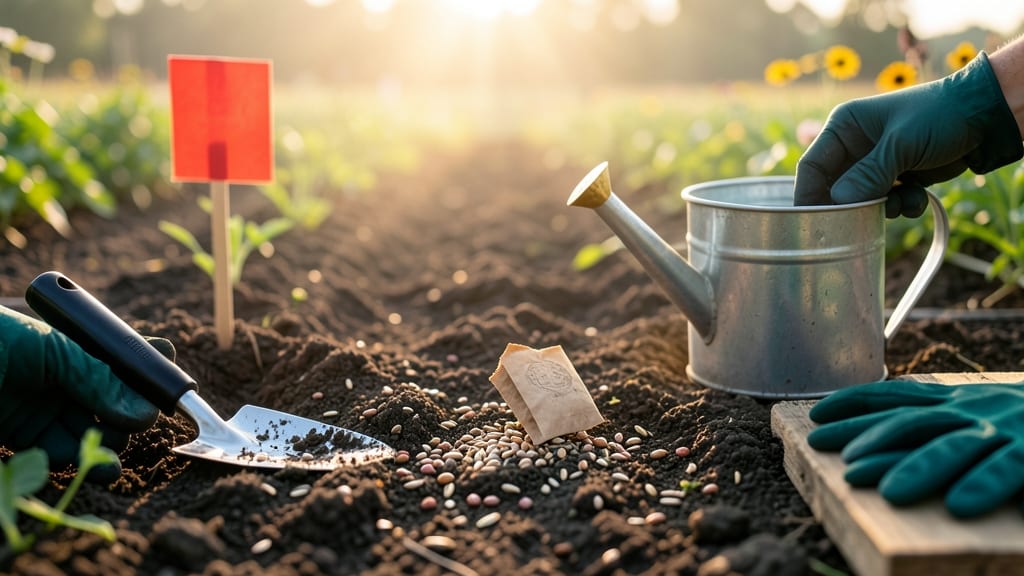
Planting wildflower seeds in Pennsylvania at the right time ensures vibrant blooms and thriving pollinators 🌼 — aim for early spring or late summer to outpace frost and drought.
Pennsylvania’s diverse USDA zones mean wildflower planting timing can make or break your meadow’s success—plant too early, and frost kills seedlings; too late, and summer drought steals blooms. Here’s the exact schedule to maximize color year after year.
Spring planting in March or April gives wildflowers a head start before summer heat arrives, while fall planting in August or September takes advantage of cooler temperatures and consistent moisture. Both windows work, but the key is preparing the soil and choosing native species that thrive in your specific zone.
Below, I break down the best months by region, soil prep tips, and how to select wildflower mixes that attract bees, butterflies, and hummingbirds—plus how to avoid common mistakes that lead to patchy blooms.
Pennsylvania wildflower planting calendar by USDA Zone (with frost-free date maps)
Pennsylvania’s USDA zones 4a–7a create dramatic differences in planting windows—what works in Pittsburgh (Zone 6a) may fail in Philadelphia (Zone 7a). The key? Planting when soil temps hit 40–50°F for spring or after 90% of summer heat waves pass for fall.
Microclimates like valleys or urban heat islands can shift these dates by 2–4 weeks, so always check local frost data.
Most wildflower seeds need 6–8 weeks of warm soil to germinate, meaning late March in Zone 4a (northwest PA) vs. early April in Zone 7a (southeast PA). Fall planting works best in August–September when daytime temps stay above 70°F but nights cool below 60°F—this triggers dormancy before winter.
Use this zone-specific calendar as your guide, but verify with the NOAA frost maps or your local Cooperative Extension office. A 5°F late frost in April can wipe out seedlings overnight, while planting too late risks summer drought stress before roots establish.
🌱
For Zone 4a–5a, focus on native perennials like black-eyed susan (Rudbeckia) and purple coneflower (Echinacea), which handle shorter growing seasons. In Zones 6a–7a, mix in annuals like cosmos for instant color, but prioritize fall planting to beat summer heat.
Pro tip: If your area had an early spring thaw (like 2020), wait until soil temps consistently stay above 45°F—a soil thermometer ($10 at garden centers) is worth the investment. For microclimates, note that south-facing slopes warm 2–3 weeks earlier than shaded valleys.
After sowing, keep seeds moist but not soggy—a light layer of straw mulch (1/4 inch) retains moisture while preventing crusting. In Zone 7a, you can even plant winter annuals like sweet alyssum in October for spring blooms.
🌿
Download the full PA wildflower zone map (PDF) by visiting our resources page, where we’ve overlaid historical frost data with local seed supplier recommendations. This visual tool shows exactly where Pittsburgh’s urban heat island extends planting windows by 10 days compared to rural areas.
Remember: Fall planting is often more successful in PA because it gives roots time to establish before winter. Aim to sow 6–8 weeks before your first frost—this means early August in Zone 4a and mid-September in Zone 7a. For drought-prone areas, pair
5 Critical factors that determine Your Exact Planting Time (Beyond the Calendar)
Planting wildflower seeds in Pennsylvania isn’t just about following a calendar—it’s about reading your soil, weather patterns, and even your elevation. While USDA zones give a starting point, these 5 factors will fine-tune your timing for healthier blooms and longer-lasting meadows.
Ignoring them means risking frost damage or drought stress before your wildflowers even sprout.
First, soil temperature is your golden rule. Wildflower seeds need soil that’s at least 40°F (4°C) for consistent germination. In Pennsylvania’s USDA zones 4a–7a, this often means waiting until mid-April in southern regions but holding off until late May in the Appalachians.
A soil thermometer ($10 at garden centers) takes the guesswork out of this step.
Rainfall patterns are the second game-changer. Pennsylvania’s spring rains can drown seedlings if planted too early, while summer droughts (common in zones 6a–7a) can dry out seeds before they sprout. Check the NOAA Climate Data for your county—aim to plant when 1–2 inches of rain are forecast within the first 2 weeks of sowing.
Here’s where most gardeners go wrong: assuming all wildflower seeds are the same. Annuals (like cosmos or zinnias) thrive when planted 2–4 weeks after your last frost, while perennials (like milkweed or coneflowers) need 6–8 weeks of warm soil before germination.
Perennials also benefit from fall planting—seeds sown in August–September often establish deeper roots before winter.
Don’t overlook elevation—it’s why your neighbor in Pittsburgh (zone 6a) might plant in early April while you in Philadelphia (zone 7a) can start in March. The Appalachian Mountains create microclimates where frost lingers 2–3 weeks longer than in valleys.
If you’re unsure, ask local nurseries or check the PA State Climate Office for your specific elevation-based frost dates.
Finally, real-time data trumps calendars. Bookmark the NOAA Climate Data for your county and invest in a $10 soil thermometer. For example, I planted milkweed seeds in late April last year based on the calendar—but the thermometer showed 38°F soil, so I waited another 2 weeks.
That delay meant 90% germination vs. the 30% failure I’d seen in past years.
Pro tip: Pair your planting with a light mulch (straw or leaves) to retain moisture and regulate soil temperature. This simple step can extend your planting window by 1–2 weeks in both spring and fall. Now grab your tools—your pollinator paradise is waiting for the perfect timing! 🌼