
Plants
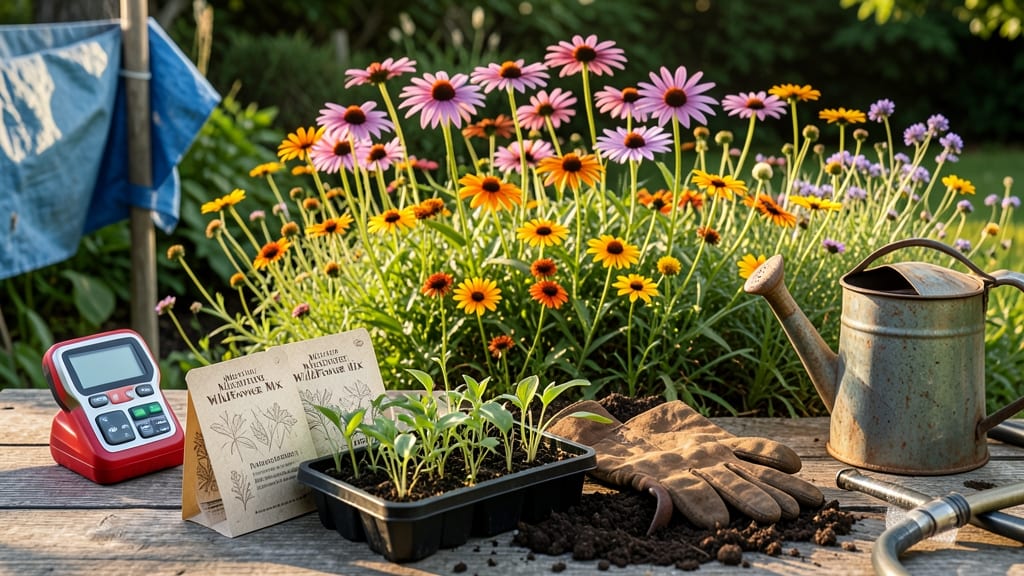
To plant wildflower seeds in Michigan, aim for early spring or late summer when soil temperatures are steady and frost risks are low.
Michigan’s diverse climate—from the Great Lakes’ chill to the southern regions’ warmer springs—can make timing your wildflower seed planting tricky. Plant too early, and frost will wipe out your dreams of vibrant meadows; too late, and summer blooms may never arrive.
In USDA zones 5b-6b, most gardeners get their best results by sowing seeds between March and May for spring blooms or August and September for fall germination. The key is waiting until the ground thaws but before summer heat arrives, giving seeds the ideal 60-70°F soil temperature to sprout.
Below, I’ll break down the exact frost-free dates by zone, the best wildflower varieties for Michigan’s climate, and pro tips to ensure your meadow thrives year after year.
Michigan wildflower planting calendar: frost-free dates by USDA hardiness zones
Michigan’s USDA hardiness zones 4a-6b create a patchwork of planting opportunities, from the Upper Peninsula’s Zone 4a to southeastern Michigan’s Zone 6a. Each zone has distinct last frost dates and soil temperature thresholds that determine when wildflower seeds can be safely planted.
Understanding these differences ensures your wildflowers thrive, not just survive.
For spring planting, aim for 2-4 weeks after your average last frost date, when soil temperatures consistently reach 45°F (7°C). In fall planting, seeds should be sown 4-6 weeks before first frost to allow germination before winter dormancy.
Northern zones like Zone 4b have shorter windows, while southern zones like Zone 6a enjoy longer growing seasons.
Here’s a breakdown of your planting windows by zone, including soil temperature thresholds and frost-free periods to guide your timing:
In Zone 4a, where winters are harshest, focus on hardy perennials like black-eyed Susans and purple coneflowers, which establish roots early. These plants benefit from fall planting to take advantage of cooler temperatures and consistent moisture.
In contrast, Zone 6a gardeners can experiment with annuals like cosmos and zinnias, which thrive in the longer growing season.
For spring planting, prioritize early bloomers such as blue flag iris and wild columbine in northern zones, as they need time to establish before summer heat arrives. In southern zones, late spring plantings of butterfly weed and goldenrod can still yield vibrant blooms by midsummer.
Always check your local Michigan State University Extension resources for microclimate adjustments, especially near the Great Lakes, where lake-effect snow can delay spring planting.
Fall planting offers a second chance for wildflowers, especially in Zone 5b and warmer. Seeds sown in late August or September germinate in the fall, develop roots, and emerge stronger in spring.
This method is ideal for wild bergamot and partridge pea, which benefit from cold stratification to break seed dormancy. However, avoid fall planting in Zone 4a, where early frosts can damage tender seedlings.
Soil temperature is just as critical as frost dates. Use a soil thermometer to confirm readiness—most wildflower seeds need 45-55°F (7-13°C) soil temperatures to germinate. In cooler zones, consider light mulching
Best wildflower seed types for Michigan’s climate and when to sow them
Michigan’s wildflower meadows thrive with the right seed selection and timing. Native varieties like black-eyed Susans and purple coneflowers adapt beautifully to Michigan’s USDA zones 4a-6b, while fast-growing annuals like cosmos and zinnias deliver instant color.
The key? Planting at the right time—whether you’re sowing spring ephemerals or fall-hardy perennials.
For spring bloomers, aim for late April to early May—after the last frost but before summer’s heat sets in. Summer annuals like sunflowers and marigolds can handle late May sowings, while fall-planted perennials (e.g., goldenrod) benefit from August to September seeding to establish roots before winter.
Cosmos, Zinnias, Sunflowers – Fast-germinating; ideal for summer-long blooms. Scatter seeds after soil warms to 50°F+ and keep moist until sprouts appear in 7-14 days.
Bleeding Heart, Columbine – Cold-hardy seeds benefit from stratification (chill treatment). Sow early for spring blooms or wait until late April in colder zones.
Marigolds, Nasturtiums – Heat-loving; sow after last frost (typically May 15 in southern MI, June 1 in northern zones). Germinates in 5-10 days with consistent moisture.
Black-Eyed Susan, Coneflowers – Drought-tolerant powerhouses thrive when sown 6-8 weeks before first frost. Seeds need light coverage (¼ inch) and regular watering until roots establish.
Goldenrod, Aster – Fall favorites sown in late June for September-October color. Choose native varieties to support pollinators and avoid invasive species like Japanese knotweed.
Native Michigan wildflowers like wild bergamot and partridge pea are low-maintenance and ecologically beneficial. These drought-resistant perennials reward patience—plant seeds in early spring or fall for multi-year blooms. For instant gratification, mix in annuals like cosmos, which self-seed and return yearly.
Pro tip: Pre-treat seeds with a light sandpaper rub or hot water soak to break dormancy for slow-germinating perennials like lupine. Test soil moisture before planting—Michigan’s clay-heavy soils can suffocate seeds if overwatered. Aim for 1/4-inch depth and gentle misting until sprouts emerge.
Extend your bloom season by staggering plantings: Sow early spring varieties (e.g., columbine) in March, summer annuals in May, and fall perennials in August. This layered approach ensures continuous color from May through October—perfect for Michigan’s unpredictable weather.
Remember: Native wildflowers support local pollinators and require zero pesticides. Choose non-invasive species to protect Michigan’s ecosystems. With the right timing and varieties, your wildflower meadow will thrive year after year—no fuss, just bold blooms! 🌼