
Plants
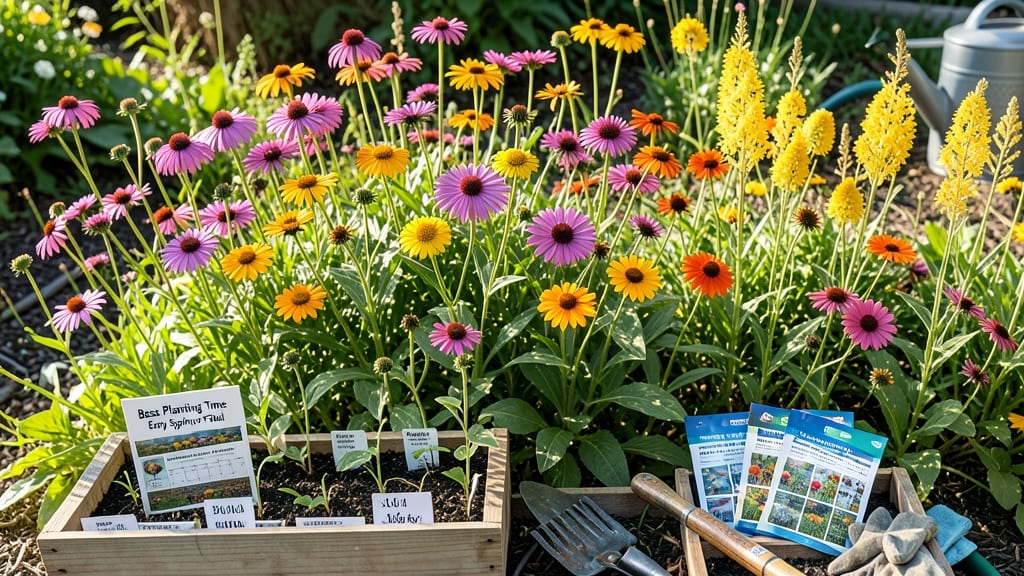
Planting wildflower seeds in Massachusetts at the right time means the difference between a vibrant meadow and a lost investment—spring and fall are your two best windows, but timing matters down to the week.
Massachusetts gardeners know the drill: plant too early, and frost zaps tender sprouts; too late, and summer blooms fade before they even begin. The 5b-6b zones give you a narrow frost-free window, but coastal areas and inland valleys play by slightly different rules.
Get it wrong, and you’re left with bare soil by July.
Here’s the game-changer: late August to early September for fall planting and March to early April for spring, with adjustments for your exact hardiness zone.
I’ll break down the exact frost dates, soil prep secrets, and which native wildflowers thrive in your corner of the state—plus how to stretch your blooming season by a full month.
Skip the guesswork and learn how to time it perfectly, whether you’re scattering seeds directly into the soil or starting them indoors for a head start. Your future meadow starts with three simple steps—and the right week to plant them.
Massachusetts hardiness zones: critical planting windows by region
Massachusetts spans USDA hardiness zones 5a through 7a, creating dramatic differences in frost timing from the coastal Cape Cod region to the inland Berkshires. Understanding these zones helps you plant wildflower seeds at the perfect moment—whether you're aiming for spring blooms or fall establishment before winter.
Coastal areas like Providence and Barnstable often enjoy 2-3 weeks earlier frost-free windows compared to inland cities like Worcester or Greenfield.
For wildflowers, the ideal planting windows are either late summer to early fall (August-September) or early spring (March-April). Fall planting gives seeds time to germinate and develop roots before winter, while spring planting ensures blooms in the same season.
However, timing varies by 10-14 days across the state—missing this window can mean frost-killed seedlings or missed summer color.
Here’s a region-by-region breakdown of frost dates and planting windows, including coastal vs. inland variations and microclimates like river valleys or mountain slopes that can shift frost timing by 5-10 days.
In Zone 6b-7a (coastal areas), you can push spring planting as early as late March if you use frost blankets or row covers. However, seeds planted before mid-April risk frost damage in inland zones like Zone 5a.
For fall planting, aim to finish by mid-September in inland areas to allow 4-6 weeks of root growth before winter.
Microclimates play a huge role. For example, river valleys like the Connecticut River can be 5-10°F warmer than surrounding areas, extending your planting window by 1-2 weeks. Conversely, mountain slopes (e.g., Berkshires) may frost 10-14 days earlier than valley floors.
Always check local weather forecasts and historical frost data from sources like the MA Department of Agricultural Resources.
If you’re unsure about your exact last frost date, err on the side of caution. Planting 2-3 weeks after the average last frost (e.g., mid-April for Zone 6b) reduces frost risk while still allowing time for spring blooms.
For fall, prioritize native wildflowers like black-eyed Susans or purple coneflowers, which establish roots quickly and tolerate early fro
Best wildflower seed types for Massachusetts seasons and soil
Massachusetts' diverse USDA zones 5b-7a create perfect conditions for wildflowers that thrive from spring blooms to late-summer color. The key? Matching native species to your local microclimate—whether you're in coastal Zone 6b or inland Zone 5a.
These zone-specific varieties ensure your meadow stays vibrant year-round with minimal fuss.
For spring color, Virginia bluebells (Mertensia virginica) light up Zone 5-6 gardens in April, while wild columbine (Aquilegia canadensis) thrives in partial shade. In summer, black-eyed Susans (Rudbeckia hirta) dominate full-sun areas across all zones, while coreopsis (Coreopsis spp.) handles coastal winds near the ocean.
Fall brings goldenrod (Solidago spp.) and New England asters (Symphyotrichum novae-angliae) for late-season buzz.
Soil preferences matter just as much as timing. Most native wildflowers adapt to average garden soil, but sandy coastal soils need amended beds for coreopsis and beach heather (Hudsonia tomentosa). Inland clay-heavy soils benefit from compost mixes to help coneflowers (Echinacea purpurea) thrive. Always test your soil pH—most wildflowers prefer 6.0-7.0, though blueberries (if included) need acidic soil (4.5-5.5).
| Wildflower Type | Best MA Zones | Sunlight Needs | Planting Depth | Bloom Time |
|---|---|---|---|---|
| Black-eyed Susan (Rudbeckia hirta) | 5a-7a | Full sun (6+ hrs) | ¼ inch deep | July-October |
| Coreopsis (Coreopsis spp.) | 5b-6b (coastal) | Full sun to part shade | ⅛ inch deep | June-September |
| New England Aster (Symphyotrichum novae-angliae) | 4-7a | Part shade to full sun | ¼ inch deep | August-October |
| Virginia Bluebells (Mertensia virginica) | 5-6 | Partial shade (4-6 hrs sun) | ⅛ inch deep | April-May |
| Beach Heather (Hudsonia tomentosa) | 5b-6b (coastal) | Full sun (sandy soil) | Surface scatter | June-July |
Timing your planting window by bloom season ensures continuous color.
For spring bloomers like Virginia bluebells, sow seeds in September for cold stratification—this mimics winter conditions and triggers faster germination. Summer wildflowers like coreopsis can go in April-May after the last frost, while fall asters should hit the ground by mid-August to establish roots before winter.
Pro tip: Mulch lightly after planting to retain moisture and suppress weeds, but avoid smothering seeds. Native wildflowers are drought-tolerant once established, but young plants need consistent watering—especially in coastal areas where winds dry soil faster.
Group plants by water needs: drought-lovers like purple coneflower with moisture-lovers like cardinal flower (Lobelia cardinalis) for balanced care.
To maximize seasonal color, layer early, mid, and late-season bloomers. Start with spring ephemerals like bloodroot (Sanguinaria canadensis), add summer stalwarts like black-eyed Susans, and top with fall asters.
This succession planting keeps your meadow blooming from April to October—with minimal dead zones between seasons. 🌼