
Plants
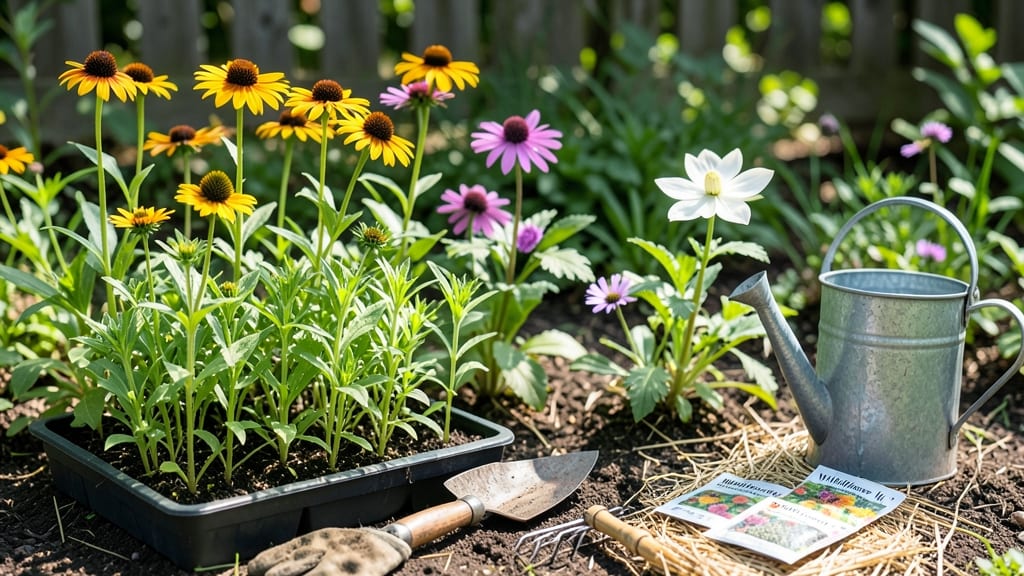
Planting wildflower seeds in Maine at the right time ensures vibrant blooms from spring to fall 🌼 — aim for early April to mid-May or late August to early October to avoid frost damage.
Timing is everything when planting wildflowers in Maine’s unpredictable climate—plant too early and risk frost damage, too late and miss the prime blooming season.
Maine’s USDA zones 5-6 mean you’ve got a narrow window to get seeds in the ground before the last frost hits around mid-May, or after the first frost in late October.
Below, I’ll break down the best months for planting, how to prep your soil, and which wildflower varieties thrive in Maine’s conditions for continuous color all season long.
Maine’s frost-free date zones: best months to plant wildflower seeds
Maine’s USDA Plant Hardiness Zones 5-6 create a unique challenge for wildflower enthusiasts, where late spring frosts can linger until mid-May in inland areas. Coastal regions like Bar Harbor often see frost-free dates 2-3 weeks earlier than Bangor or Portland, thanks to the moderating influence of the Atlantic Ocean.
Understanding these microclimates is key to timing your wildflower seed planting for maximum success.
For most of Maine, the ideal planting window spans from late April through June, aligning with soil temperatures above 50°F (10°C). However, fall planting in September works well for species like Black-Eyed Susans and Purple Coneflowers, allowing seeds to establish roots before winter dormancy.
Let’s break down the frost-free date zones and their implications for your wildflower meadow.
| USDA Zone | Avg. Last Frost | Best Planting Window | Coastal Adjustment | Notes |
|---|---|---|---|---|
| Zone 5 (Northern) | May 15–20 | Late May–June 15 | +10–14 days | Use row covers for early starts |
| Zone 5 (Central) | May 1–10 | Mid-April–June 1 | +7–10 days | Fall planting works well |
| Zone 6 (Southern) | April 20–May 5 | Early April–May 15 | +3–7 days | Longer growing season |
| Coastal (All Zones) | April 10–25 | March 20–April 30 | N/A (earlier) | Warmer microclimate |
In Zone 5, where most of Maine’s interior lies, wildflower seeds should wait until after May 15 to avoid frost damage. I’ve found that direct sowing in late May gives seedlings enough time to establish roots before Maine’s hot, dry summers.
For coastal gardeners, the window opens earlier—sometimes as early as March 20—but always verify with your local cooperative extension service for precise dates.
Maine’s inland valleys, like those around Augusta or Waterville, can experience 10–14 days later frost-free dates than coastal areas. This delay means fall planting in September is often safer than spring for these regions.
I recommend preparing seedbeds in August and sowing as soon as soil temperatures drop below 80°F (27°C) to avoid premature germination during summer heat.
For wildflower mixes containing annual species like Cosmos or Zinnias, aim for early April planting in Zone 6 areas. These fast-growing flowers thrive with 6+ hours of sunlight and can bloom within 60–90 days.
In contrast, perennial wildflowers like Goldenrod or Aster benefit from late summer sowing to establish deep roots before winter.
Don’t overlook microclimate variations within your property. South-facing slopes warm up faster than north-facing areas, creating localized planting opportunities. I’ve successfully grown wildflowers in early April on sunny slopes in Zone 5 while waiting until mid-May in shaded valleys.
Use a soil thermometer to confirm 50°F (10°C) soil temperatures before sowing.
Protecting young seedlings from late frosts is critical. Use frost cloths or row covers if planting in April or early May. I’ve had great success with ho
How to extend your wildflower season: spring vs. fall planting strategies
Maine’s cool, short growing season means timing is critical for wildflower success. While both spring and fall planting work, each offers distinct advantages. Spring planting (April–May) gives you a head start on summer blooms, but seedlings face late frost risks.
Fall planting (September–October) allows seeds to establish roots before winter, often resulting in hardier plants that bloom earlier the following year.
For spring planting, aim for 2–4 weeks before your last frost date (typically mid-May in Maine). This gives seedlings time to germinate before hot summer temperatures arrive.
Fall planting, however, should occur 6–8 weeks before the first frost (early October) to ensure seeds don’t sprout too early and get damaged by cold snaps. Both strategies can extend your blooming season, but they require different prep work.
Spring Planting (April–May)
- ✅ Faster blooms in first season
- ✅ Better for annual wildflowers like cosmos
- ✅ More sunlight exposure for seedlings
Fall Planting (September–October)
- ✅ Hardier plants next spring
- ✅ Less competition from weeds
- ✅ Better for perennial varieties like coneflowers
Cons
- ❌ Late frost risk to seedlings
- ❌ Requires more watering in dry springs
- ❌ Slower establishment in cool soil
Cons
- ❌ Premature germination if planted too early
- ❌ Limited time for soil prep
- ❌ Fewer blooms in first year
Before planting, prepare your soil by removing weeds and tilling to a depth of 4–6 inches. Wildflowers thrive in well-draining soil with a pH between 6.0–7.5.
For spring planting, add a light layer of compost to boost nutrients, while fall planting benefits from mulching to protect seeds over winter. Maine’s sandy soils often need extra organic matter to retain moisture.
To protect spring seedlings from late frosts, use floating row covers or cold frames until temperatures stabilize. These create a microclimate that shields young plants from 20–30°F drops.
For fall planting, avoid covering seeds until after the first frost—this prevents premature sprouting that could kill tender shoots. A lightweight fabric row cover works well for both scenarios.
For extended blooms, try a combination approach: plant half your seeds in spring for immediate color and the other half in fall for next year’s display. Native Maine wildflowers like New England aster and wild bergamot thrive with minimal care, making them perfect for both strategies.
With the right timing and protection, your wildflower meadow can bloom from June through October.
🌼