
Flowers
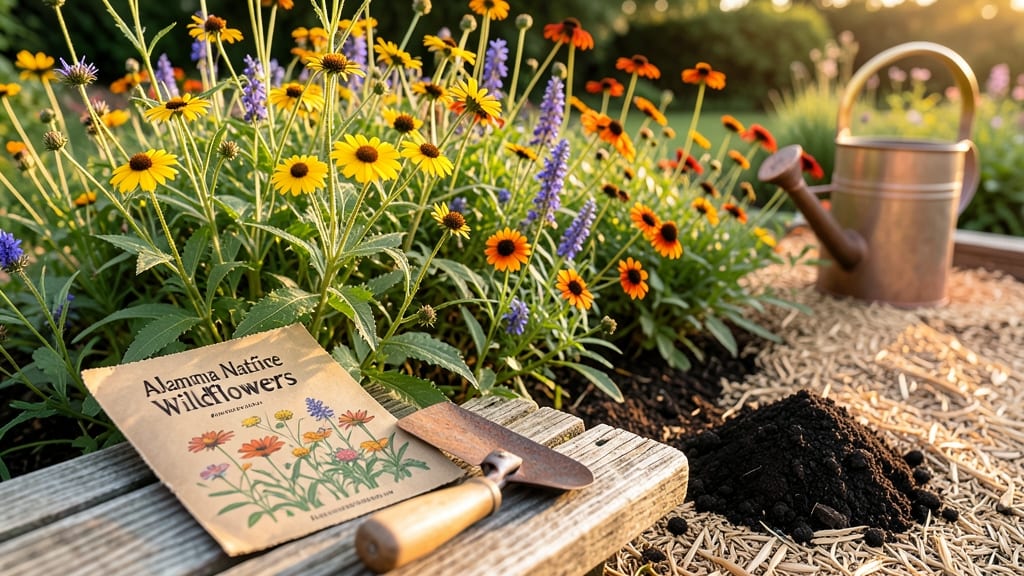
Planting wildflowers in Alabama at the right time ensures vibrant blooms from spring to summer, with fall planting offering a second chance for next year’s show.
Alabama’s diverse climate zones—from humid subtropical to warm temperate—create the perfect conditions for wildflowers, but timing is everything to ensure vibrant blooms year after year.
Miss the ideal window, and you might end up with sparse blooms or wildflowers that struggle to establish roots before the heat or frost sets in.
In this guide, I’ll break down the best months for planting in your specific zone, the top wildflower varieties that thrive in Alabama’s soil, and pro tips to keep your garden in full color from April through August.
Alabama wildflower planting timeline by climate zone
Alabama’s diverse climate zones—from the cool Appalachian Plateau to the humid Coastal Plain—mean wildflower planting times vary dramatically. Timing is critical to avoid frost damage or missed blooms. Spring and fall are the ideal planting windows, but your local climate zone determines the exact months.
Let’s break it down by Alabama’s 7 distinct regions to ensure your wildflowers thrive.
Each zone has unique frost-free dates and rainfall patterns that dictate when to sow seeds. For example, North Alabama experiences earlier frosts, while South Alabama enjoys longer growing seasons. Fall planting (September-October) is often preferred because it allows roots to establish before winter, while spring planting (March-April) ensures summer blooms.
Let’s explore the best months for each zone.
🌱
In North Alabama, where frosts linger until mid-April, aim for late March spring planting. The Appalachian Plateau benefits from fall planting in September to avoid winter stress. Meanwhile, South Alabama’s coastal regions enjoy earlier planting as early as mid-February for spring blooms, thanks to milder winters.
For Central Alabama, including the Piedmont region, early March is ideal for spring planting, while late August kicks off fall planting. The Black Belt region mirrors Central Alabama’s timeline, but its slightly warmer microclimate allows for a 1-2 week extension in both seasons.
Always check your local frost dates—they can shift yearly.
Rainfall patterns also play a role. Coastal zones receive more summer rain, so spring planting benefits from natural moisture. In contrast, drier inland zones like the Piedmont may need supplemental watering during establishment.
Plan to water deeply 1-2 times weekly after planting until roots are established (about 6-8 weeks).
If you’re planting native wildflowers like Black-Eyed Susans or Coreopsis, these species thrive with minimal intervention once established. However, fall planting gives them a head start in root development, leading to earlier and more abundant blooms the following spring.
For annual wildflowers, like Cosmos, sow seeds directly after your last frost date for summer color.
Pro tip: Use mulch (like straw or pine needles) after planting to retain moisture and suppress weeds. This is especially helpful in dry spring months or hot summer periods.
In Coastal Alabama, where humidity is high, mulch also prevents fungal diseases. For North Alabama’s cooler climate, mulch adds insulation to protect young seedlings from temperature swings.
🌻
Don’t forget to prepare your soil before planting. Loosen the top 6 inches of soil and mix in compost or aged manure to improve drainage and fertility.
Alabama’s clay-heavy soils in regions like the Black Belt benefit from amendments like sand or peat moss. For sandy soils in coastal areas, add organic
Best wildflower species for Alabama’s spring vs. fall planting
Alabama’s wildflowers thrive when planted at the right time, but choosing between spring and fall planting depends on the species and your local climate zone. Spring planting (February-March) gives flowers a head start, while fall planting (September-October) allows roots to establish before winter.
Let’s explore the top native wildflowers and their ideal planting windows to maximize your garden’s color and pollinator appeal.
For spring bloomers, focus on species like Black-Eyed Susan (Rudbeckia hirta) and Coreopsis, which handle Alabama’s warm springs well. Fall-planted varieties such as Purple Coneflower (Echinacea purpurea) and Blanket Flower (Gaillardia) often produce stronger roots and more vibrant blooms the following year.
Each species has unique sunlight and soil needs, so let’s break down the best choices for your Alabama garden.
Spring vs. Fall Planting for Alabama Wildflowers
- ✅ Faster blooms in first year
- ✅ Better for tender species like Zinnias
- ✅ Aligns with rain patterns in early spring
- ✅ Stronger root growth before winter
- ✅ Reduces competition from weeds
- ✅ Ideal for perennials like Coneflowers
- ❌ Higher water needs during hot summers
- ❌ Risk of bolting in extreme heat
- ❌ Limited species options for late spring
- ❌ Slower first-year blooms
- ❌ Requires frost protection in North Alabama
- ❌ Limited time window before winter
Let’s start with spring-planted wildflowers. The Black-Eyed Susan is a top pick for Alabama gardens, thriving in full sun to partial shade and tolerating poor, dry soil.
Plant seeds in late winter (February) for blooms by early summer. Its golden-yellow petals and dark centers attract butterflies and bees, making it a pollinator magnet.
For fall planting, Purple Coneflower is a standout. This hardy perennial loves full sun and well-draining soil, making it perfect for Alabama’s varied landscapes.
Sow seeds in September for robust root systems that bloom profusely the following spring. Its drought tolerance and medicinal properties add extra value to your garden.
Don’t overlook Coreopsis, another Alabama favorite. These sun-loving annuals bloom from spring to fall and thrive when planted in spring or early fall. Their bright yellow or orange flowers add cheerful pops of color, and they’re low-maintenance, perfect for busy gardeners.
Mix them with Blanket Flower for a long-blooming, pollinator-friendly display.
For shadier spots, consider Wild Bergamot (Monarda fistulosa), which prefers partial shade and blooms from summer to fall. Plant seeds in early spring for best results. Its lavender flowers attract hummingbirds and have a subtle minty fragrance, adding sensory appeal to your garden.
To ensure success, always prepare your soil by loosening the top 6 inches and mixing in compost. Water newly planted seeds lightly but consistently until they germinate, then reduce frequency as plants establish.
With the right species and timing, your Alabama wildflower garden will burst with color and life for years to come. 🌼