
Plants
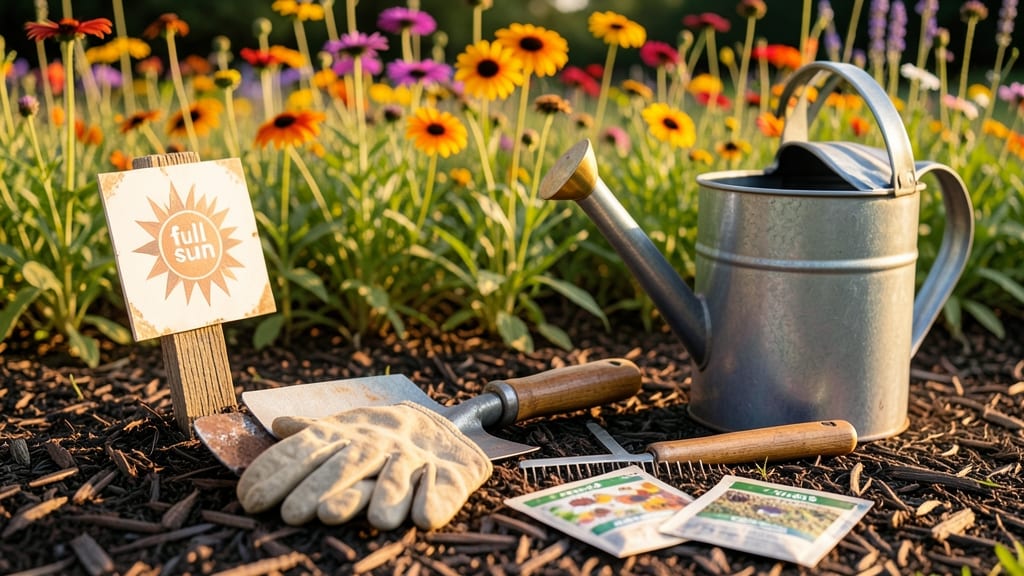
Plant wildflower seeds in Zone 8 during late fall or early spring for the fastest germination and most vibrant blooms 🌼—these are the two windows that set you up for success.
Struggling to get your wildflower meadow to bloom? Timing is everything—planting at the wrong time in Zone 8 can mean sparse blooms or slow germination.
The key is to avoid the heat of summer and the frost of winter, which is why September through November and February through April are your best bets.
Why does this matter? Wildflowers thrive when soil temperatures are cool but not freezing, and seeds need consistent moisture to sprout. Plant too early, and frost can kill them; too late, and summer heat dries them out before they take root.
Below, I’ll break down the exact months to aim for, how to prep your soil for fast germination, and the top wildflower varieties that bloom reliably in Zone 8’s climate.
Best months to plant wildflower seeds in Zone 8 for fast germination
Timing your wildflower seeds correctly in Zone 8 can mean the difference between a lush meadow and a sparse patch. The ideal planting windows are fall and spring, but the exact months depend on your microclimate—whether you're in Southern California or Georgia.
Let’s break down the best times for fast germination and vibrant blooms.
Fall planting (typically September through November) is my top recommendation for Zone 8 gardeners. Cooler temperatures and consistent moisture create perfect conditions for seeds to sprout before winter dormancy. Spring planting (early February to April) also works, but requires careful moisture management as temperatures rise.
Soil temperature is critical—most wildflower seeds germinate best when soil is between 60°F and 75°F. In Southern California, fall planting can extend into December, while in Georgia, you’ll want to finish by November to avoid early frosts. Let’s compare your options:
| Planting Window | Best Months | Soil Temp (°F) | Moisture Needs | Regional Notes |
|---|---|---|---|---|
| Fall Planting | September–November | 60–75°F | Consistent, light watering | Best for Southern CA (extend to Dec) and Georgia (finish by Nov). |
| Spring Planting | February–April | 65–80°F | Frequent watering (dries faster) | Avoid planting after April 15 in most of Zone 8. |
| Late Summer (Emergency) | August (Southern CA only) | 70–85°F | Daily watering (high heat risk) | Only for drought-tolerant mixes in coastal areas. |
For Southern California gardeners, fall planting is the easiest route. The Mediterranean climate means mild winters and reliable rains, so seeds sown in October or November will germinate before winter dormancy. In contrast, Georgia’s humid subtropical climate demands earlier action—aim for September planting to avoid fungal issues from prolonged moisture.
Spring planting in Zone 8 requires vigilance. Start seeds indoors in January or direct-sow in February, but stop by April 15 to prevent heat stress. Use a light mulch to retain moisture and protect young seedlings from springtime winds.
I’ve found that native wildflower mixes like Black-Eyed Susan or Coreopsis thrive when planted in early spring.
Regional microclimates play a huge role. Coastal areas like Santa Barbara can handle December planting, while inland Phoenix should stick to fall or early spring.
Always check your last frost date—most of Zone 8 sees frost between November and January, but elevations over 3,000 feet may experience earlier frosts.
Pro tip: If you miss the fall window, don’t despair. Many drought-tolerant wildflowers can be planted in late winter (January–February) as long as you water consistently and protect seeds from frost. Just avoid planting after April 1 in most of Zone 8—summer heat will stress young seedlings.
Remember, soil prep is just as critical as timing. Loosen the top 2–3 inches of soil, remove weeds, and lightly rake to create a fine seedbed.
Scatter seeds evenly and press them into the soil—no need to bury them deeply. A light misting of water will keep them moist until germination.
With the right timing, your Zone 8 wildflower meadow can burst into color by early spring. Whether you choose fall or spring planting, the key is consistency—stay patient, keep the soil moist, and watch your garden transform into a pollinator paradise.
How to prepare your soil and site for wildflower seed success in Zone 8
Preparing your soil and site is just as important as choosing the right planting window for wildflowers in Zone 8. Native wildflowers thrive when their natural growing conditions are replicated, which means focusing on well-draining soil, proper sunlight exposure, and minimal competition from weeds.
Start by selecting a sunny location that receives at least 6 hours of sunlight daily, as most wildflowers need full sun to flourish.
Before breaking ground, test your soil pH using a simple kit from your local garden center. Wildflowers generally prefer a slightly acidic to neutral pH between 6.0 and 7.0. If your soil is too alkaline or acidic, amend it with compost or sulfur to adjust the pH gradually.
This step ensures your seeds have the best chance to germinate and establish strong roots.
- Clear the area: Remove existing weeds, grass, and debris to reduce competition for nutrients and water.
- Loosen the soil: Lightly till or aerate the top 2-3 inches of soil to improve seed-to-soil contact without disturbing deeper layers.
- Add compost: Mix in 1-2 inches of compost to enrich the soil with organic matter and improve moisture retention.
- Level the ground: Smooth out the soil surface to create an even bed for scattering seeds uniformly.
- Mulch lightly: Apply a thin layer of straw or mulch (no more than ¼ inch) to protect seeds from drying out and suppress weeds.
Zone 8’s climate can be unpredictable, so weed suppression is key to giving your wildflowers a fighting chance. After preparing the soil, consider laying down a biodegradable weed barrier or using cardboard mulch to block sunlight from reaching weed seeds while allowing water and air to penetrate.
This method is especially effective in areas with hot summers, where weeds can quickly overtake young seedlings.
For native wildflowers, avoid heavy fertilization, as they’re adapted to leaner soils. Instead, focus on organic amendments like composted leaves or well-rotted manure. These additions improve soil structure without overwhelming the delicate root systems of wildflowers.
Over-fertilizing can lead to lush foliage but fewer blooms, which defeats the purpose of planting wildflowers for their beauty and ecological benefits.
Finally, water deeply but infrequently after planting to encourage deep root growth. Aim for 1 inch of water per week, either from rainfall or irrigation, and avoid wetting the foliage to prevent fungal diseases.
Once established, most wildflowers in Zone 8 are drought-tolerant, so reducing watering in the second year will help them thrive long-term.
With the right soil preparation and site selection, your wildflower seeds will germinate quickly and produce vibrant blooms in as little as 6-8 weeks.
Patience and attention to detail during this phase will pay off with a low-maintenance meadow that attracts pollinators and adds color to your landscape for years to come. 🌼