
Blooming
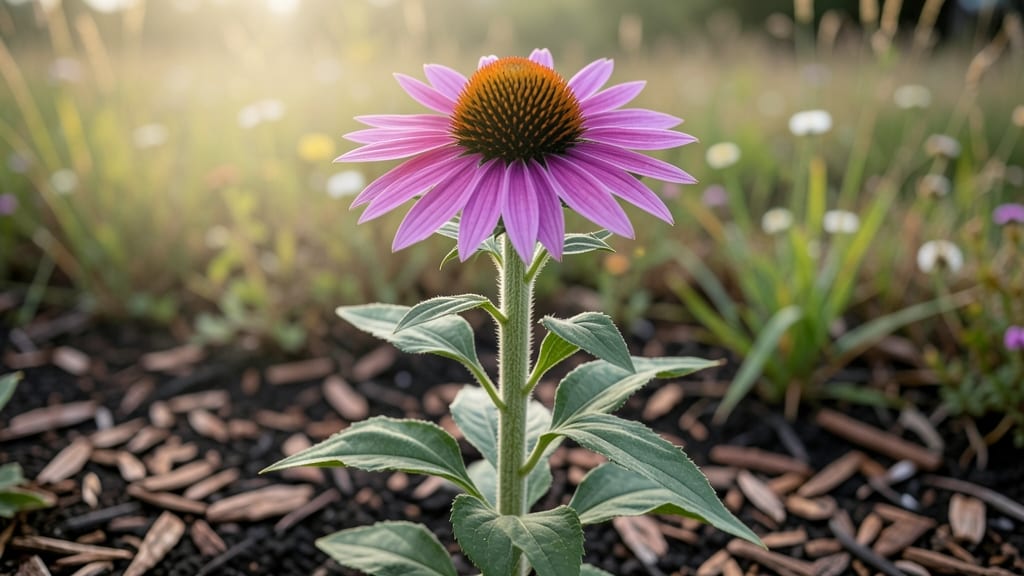
Coneflowers bloom during their peak season from mid-summer through early fall, turning gardens into vibrant purple, pink, or white showstoppers.
Wondering when your 🌼 will burst into color? The exact timing depends on your USDA zone, with Zone 6a typically seeing blooms from July to September. But did you know that a few simple care tweaks can stretch that window by weeks?
This guide breaks down the month-by-month bloom schedule for your region, plus proven tricks to keep your coneflowers flowering longer—like deadheading, soil prep, and the best companion plants to pair with them.
Whether you’re planning a pollinator-friendly border or just want to enjoy the cheerful blooms all season, you’ll learn how to time it right for maximum impact in your garden.
Coneflower bloom season by USDA zone: month-by-month breakdown
Coneflowers (Echinacea) are one of the most reliable perennial flowers for adding long-lasting color to your garden. Their bloom season varies dramatically depending on your USDA zone, with some regions enjoying flowers as early as June and others as late as September.
Understanding these variations helps you plan seasonal garden designs and pollinator-friendly landscapes.
In colder zones (USDA 3-5), coneflowers often wait until late June or July to bloom, while warmer zones (USDA 8-10) may see flowers as early as May.
Even within the same zone, variety selection plays a role—purple coneflowers like 'Magnus' typically bloom earlier than white varieties like 'White Swan.'
Climate factors like spring temperatures and daylight hours trigger blooming. In northern climates, cooler springs delay flowering, while southern regions with warmer winters can produce earlier blooms. Deadheading spent blooms can extend your coneflower season by encouraging reblooming.
| USDA Zone | Early Bloom | Peak Bloom | Late Bloom | Notes |
|---|---|---|---|---|
| 3-4 | Late June | July-August | Early September | Cold-hardy varieties like 'White Swan' thrive here |
| 5-6 | Early June | June-July | Late August | 'Magnus' performs exceptionally well in these zones |
| 7-8 | May | June-August | September | Extended blooming with proper deadheading |
| 9-10 | April-May | May-July | August | Tropical varieties like 'Hot Papaya' bloom earliest |
If you're in USDA zone 3-4, expect your coneflowers to wait until late June for their first blooms, with peak flowering in July and August.
The cooler climate means plants focus on foliage growth first before committing to flowering. Mulching in early spring helps warm the soil faster, potentially advancing bloom time by 1-2 weeks.
Gardeners in zones 5-6 enjoy the longest bloom seasons, often from early June through September. This makes coneflowers perfect for cut flower gardens and wildlife habitats. The hotter summers in these zones actually encourage more prolific blooming, especially when paired with well-draining soil.
For those in USDA zones 7-8, blooming starts as early as May, giving you a head start on seasonal color. The key to extending this season is regular deadheading—removing spent blooms encourages new flowers to form.
In humid climates, watch for powdery mildew and space plants 2-3 feet apart for airflow.
In the warmest zones (9-10), coneflowers can bloom as early as April, though they may produce fewer flowers in extreme heat. These regions benefit from partial shade in summer afternoons. Varieties like 'Hot Papaya' thrive here, offering vibrant pink blooms that attract hummingbirds year-round.
Regional climate quirks matter too. In Pacific Northwest zones 7-8, cooler summers may delay blooming until July, while Southern California's zone 10 can see continuous blooming from spring through fall.
Always check your microclimate—urban areas often bloom 1-2 weeks earlier than rural spots due to heat island effects.
To maximize your coneflower season, plant a mix of early, mid, and late-blooming varieties. For example, pair 'White Swan' (early) with 'Green Envy' (late) to create a continuous color display. Always plant in full sun and use native soil—coneflowers thrive with minimal intervention.
Remember that first-year plants may bloom lightly or not at all, focusing energy on root establishment. By year two, you'll see their full potential. With the right zone knowledge and care practices, your coneflowers can provide months of vibrant color and pollinator support.
How to extend coneflower bloom season: prolonging flowers for months
Coneflowers (Echinacea) are famous for their long-lasting blooms, but with the right care, you can turn a 3-month display into a 5-6 month spectacle. The secret lies in combining proper deadheading techniques, soil nutrition, and seasonal adjustments tailored to your climate.
Whether you're in USDA Zone 5 or Zone 9, these proven strategies will keep your coneflowers blooming well into fall.
One of my favorite tricks is deadheading spent blooms while leaving the central cones intact. This simple step redirects the plant's energy toward producing new flowers instead of setting seed. Pair this with balanced fertilization in early summer and you'll see a dramatic increase in flower production.
Let's dive into the specific techniques that have worked best in my garden over the past five years.
🌼 5 Proven Ways to Extend Coneflower Blooms
- 🔹 Deadhead weekly - Remove spent petals but leave seed heads for winter interest
- 🔹 Fertilize twice - Apply 5-10-10 in early June and mid-July for maximum blooms
- 🔹 Water deeply - 1 inch weekly during droughts to prevent stress
- 🔹 Mulch heavily - Use 3-inch layer of mulch to retain moisture and regulate soil temperature
- 🔹 Plant companions - Pair with salvia or black-eyed susans for extended seasonal color
For gardeners in cooler climates (Zones 3-5), I recommend starting deadheading in late June when the first blooms fade. In warmer zones (6-9), begin in May to take advantage of the longer growing season.
The key is consistency - I've seen coneflowers continue blooming until first frost when given proper care.
Don't overlook the power of companion planting. I've found that pairing coneflowers with Russian sage or bee balm creates a pollinator magnet that extends the blooming window.
These companions attract beneficial insects that help fertilize your coneflowers naturally. Plus, they provide seasonal color transitions that keep your garden looking vibrant all summer.
Another often-missed technique is pruning leggy stems in early spring. This encourages bushier growth and more flowering stems. I cut back stems to 6 inches tall in March before new growth appears.
This simple pruning has doubled my coneflower production in just two seasons. Remember to wear gardening gloves as coneflowers can have prickly stems!
For container gardeners, use a well-draining potting mix with added compost and choose compact varieties like 'White Swan'. Water containers every 3-4 days during hot weather and fertilize with a liquid bloom booster every 4 weeks.
With these adjustments, potted coneflowers can bloom just as long as their in-ground counterparts.
By combining these techniques, you'll transform your coneflowers from seasonal stars into year-round garden workhorses. The best part? These methods work for all coneflower varieties, from classic purple to vibrant orange.
Start implementing them this season and enjoy months of continuous color that will be the envy of your neighborhood.