
Flowers
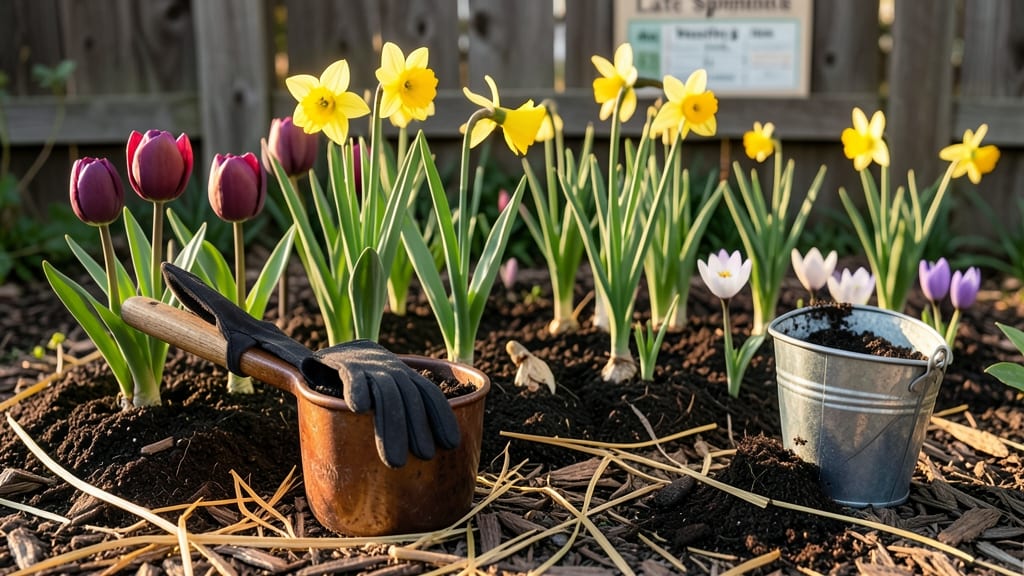
Planting flowers in New England at the right time means the difference between a garden that bursts with color and one that freezes before it even starts.
Timing your flower planting in New England’s unpredictable climate can mean the difference between a vibrant garden and a frost-killed disappointment—so knowing your frost dates by zone is non-negotiable.
With Zones 5a-6b and frost dates that shift from April in southern areas to June in northern spots, you can’t just follow a one-size-fits-all calendar. That’s why I’ve broken down the exact planting windows for annuals, perennials, and bulbs, so you can avoid the heartbreak of late frosts.
Inside, you’ll find a zone-by-zone frost-date calculator, a month-by-month planting guide for cool-season and warm-season flowers, and pro tips to stretch your season—whether you’re in coastal Maine or inland Vermont.
New England frost dates by Zone: exact planting windows for annuals & perennials
New England’s frost dates vary dramatically from Zone 3 (northern Maine) to Zone 6 (southern Connecticut), making precise timing critical for your flower garden. A late frost can wipe out tender marigolds while early frosts protect hardy pansies.
Understanding these windows ensures your annuals and perennials thrive without frost damage.
For example, Zone 4 (common in Vermont and New Hampshire) typically sees its last frost around May 15, while Zone 6 (Connecticut and Rhode Island) averages April 20. These dates dictate when to plant warm-season flowers like petunias versus cool-season favorites such as calendulas and snapdragons.
Below is a zone-by-zone breakdown of frost dates, including average first/last frost timelines and ideal planting windows for both cool-season and warm-season flowers. Use this as your gardening calendar to align your planting with nature’s rhythm.
| Zone | Avg. Last Frost | Avg. First Frost | Cool-Season Flowers | Warm-Season Flowers |
|---|---|---|---|---|
| Zone 3 | May 25 | September 20 | Pansies, Sweet Alyssum (April 1) | Marigolds, Zinnias (June 10) |
| Zone 4 | May 15 | September 10 | Calendulas, Snapdragons (April 15) | Petunias, Impatiens (May 20) |
| Zone 5 | May 1 | October 5 | Violas, Stock (April 1) | Geraniums, Sunflowers (May 10) |
| Zone 6 | April 20 | October 15 | Nasturtiums, Sweet Peas (March 20) | Begonias, Dahlias (April 30) |
In Zone 3, where winters are harshest, cool-season flowers like pansies can often survive light frosts, so I plant them as early as April 1.
Meanwhile, warm-season flowers like marigolds must wait until after June 10 to avoid frost damage. This delay ensures their roots establish before summer heat arrives.
For Zone 6, the earliest zone in New England, I take advantage of the earlier last frost by planting tender annuals like begonias as soon as April 30. However, I always monitor local weather forecasts—a late
Best flowers to plant by month in New England (Zone-specific guide)
New England’s variable climate demands precise timing for flower planting. Whether you’re in Zone 3 or Zone 6, aligning your planting schedule with frost dates ensures vibrant blooms. Early spring and late fall offer ideal windows for cool-season flowers, while summer is perfect for heat-loving annuals.
Use this month-by-month guide to select flowers that thrive in your zone. For example, Zone 5 gardeners can start tulip bulbs in October for spring blooms, while Zone 6 areas can plant impatiens as late as June. Always check your local frost dates—late frosts can delay planting by weeks.
Here’s a quick reference for monthly planting tailored to New England’s zones, including cool-season and warm-season favorites:
For Zone 3