
Plants
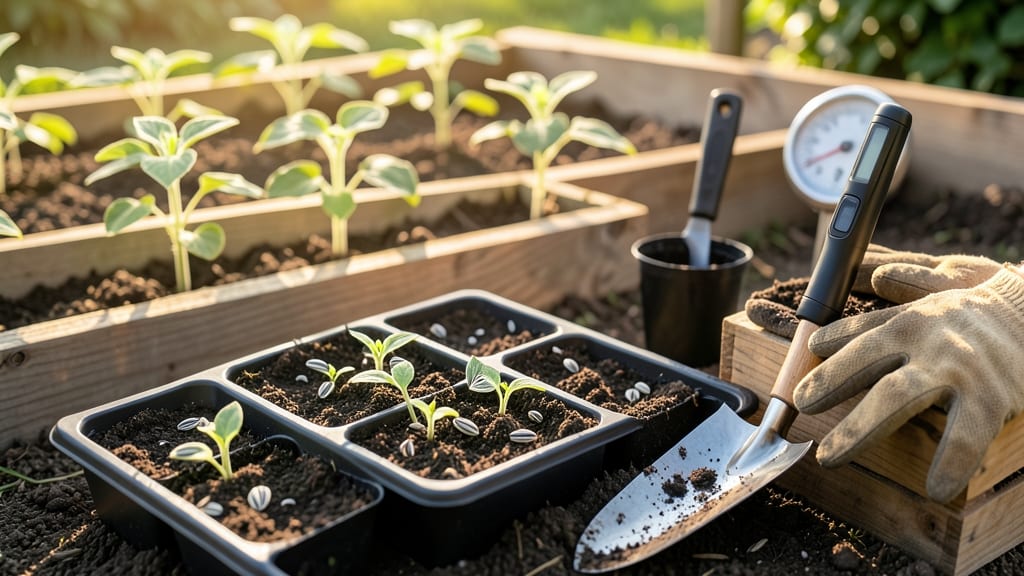
Planting sunflower seeds in Pennsylvania after your last frost date—typically mid-April to early June—sets you up for a towering, seed-packed harvest by fall.
Pennsylvania’s diverse climate—from the humid Appalachians to the Great Lakes’ cooler zones—means timing can make or break your sunflowers 🌻. Plant too early, and a late frost will turn your seedlings into sad, stunted stalks. Too late, and you’ll miss the 165-day growing window before the first frost in October.
This guide breaks down the exact planting dates by USDA zone (5b-7a), the best varieties for your region, and how to adjust for microclimates—so whether you’re in Pittsburgh or the Poconos, you’ll know the perfect moment to drop those seeds.
You’ll also discover how to prep your soil, space your plants for maximum growth, and avoid the three mistakes that trip up even experienced PA gardeners.
Pennsylvania sunflower planting dates by hardiness zone (2024 guide)
Timing your sunflower seeds correctly in Pennsylvania ensures vibrant blooms and plentiful seeds. With USDA zones 4-7, your planting window varies dramatically—from late April in zone 4 to early May in zone 7.
Missing these dates risks frost damage or stunted growth, so let’s break it down by zone and variety.
Sunflowers thrive in Pennsylvania’s 165 frost-free days, but early varieties like Teddy Bear (50-day maturity) need a head start, while giants like Mammoth (120 days) demand precise timing. Below, I’ve mapped out direct sowing vs. transplanting windows for 10 top varieties, using last-frost averages from 2024 climate data.
| Zone | Last Frost (Avg.) | Direct Sowing Window | Transplant Window | Best Varieties | Notes |
|---|---|---|---|---|---|
| 4a-4b | April 25-May 5 | May 10-June 1 | April 15-May 1 (start indoors) | Teddy Bear, ProCut, Sungold | Early varieties only; use row covers. |
| 5a-5b | April 15-April 25 | April 30-May 15 | April 1-May 1 (start indoors) | Moulin Rouge, Autumn Beauty, Russian Giant | Ideal for short seasons; plant early. |
| 6a-6b | April 5-April 15 | April 20-May 10 | March 20-April 15 (start indoors) | Mammoth, Lemon Queen, Sunspot | Longer season; can transplant earlier. |
| 7a-7b | March 25-April 5 | April 10-April 30 | March 1-April 1 (start indoors) | Autumn Beauty, ProCut, Sungold | Warm zones; sow early for fall blooms. |
For zone 4, where frosts linger until May 5, focus on short-season varieties like Teddy Bear (50 days) or ProCut (60 days). These thrive even with late starts.
In zone 7, you can push the envelope with Russian Giant (120 days) if you sow by April 10—just monitor for late-spring frosts in the Allegheny Mountains.
Transplanting sunflowers is risky due to delicate roots, but if you start seeds indoors 2-4 weeks before your zone’s last frost, you can extend your window. Use biodegradable pots to minimize root disturbance when moving outdoors. Harden off seedlings for 7-10 days before transplanting.
Pro tip: In urban heat islands (e.g., Pittsburgh), plant 2 weeks earlier than zone averages. Conversely, in high-altitude areas (e.g., Poconos), delay until 2 weeks after your local frost date. Always check microclimate conditions—a sunny south-facing spot can add 1-2 weeks of warmth.
If you’re growing sunflowers for edible seeds, prioritize full-sun locations (6+ hours daily) and well-draining soil. Amend clay soil with compost or sand to prevent waterlogging, which stunts growth. For cut flowers, choose ProCut Hybrid—its sturdy stems last 10+ days in vases.
Remember: Sunflowers are drought-tolerant once established, but consistent moisture during germination (first 2 weeks) is critical. Water deeply 1-2 inches per week, and avoid wetting foliage to prevent powdery mildew. Mulch around stems to retain moisture and suppress weeds.
For a second harvest, try a late-summer sowing in zones 6-7 (July 1-15). Dwarf varieties like Moulin Rouge (45 days) will bloom before frost. Just be prepared for shorter stems—these won’t reach their full height but still produce edible seeds.
Track your local frost dates using Almanac’s Frost Calculator or your smart weather station. In Pennsylvania, Erie’s last frost averages May 10, while Philadelphia’s is April 15. Adjust your timeline accordingly, and you’ll enjoy sunflowers towering over your fence by late summer!
How to adjust planting for Pennsylvania’s microclimates (and avoid common mistakes)
Pennsylvania’s microclimates create unique challenges for sunflower growers. The Allegheny Plateau in the west can feel like zone 5, while Pittsburgh’s urban heat islands mimic zone 6 conditions.
Even Erie’s lakeshore enjoys cooler summers than Philadelphia’s heat pockets. These variations mean your neighbor’s perfect sunflower timing might fail in your garden.
For high-altitude areas (like Poconos or Allegheny Mountains), wait until mid-May to plant—frost lingers longer. In urban gardens with concrete heat absorption, start seeds indoors by late March for earlier transplants. Meanwhile, southeastern PA gardeners can direct-sow as early as mid-April in well-drained soil.
⚠️ callout warning ⚠️
⚠️ 3 Critical Mistakes PA Gardeners Make
- Planting too early in zone 4: Seeds rot at 40°F soil temps (use row covers if sowing before May 15).
- Ignoring heat pockets: Pittsburgh’s sidewalks can be 10°F hotter than rural areas—adjust watering and mulch.
- Skipping soil prep: Compacted clay soil (common in Erie) stunts roots—amend with compost 6+ inches deep.
🌱 Pro Tip: Test soil 2 weeks before planting—aim for 60-70°F for germination.
In Pittsburgh’s zone 6b, where summer heat arrives by June 1, plant dwarf varieties like ‘Teddy Bear’ (45 days to maturity) to avoid first frost in October.
For Erie’s zone 5b, opt for ‘ProCut Hybrid’ (60 days)—its drought tolerance handles the region’s humid summers better than ‘Mammoth’, which needs consistent moisture.
Urban gardeners in Philadelphia (zone 7a) face heat stress by July. To combat this, plant shade-tolerant varieties like ‘Autumn Beauty’ near treeline edges where afternoon sun is filtered. For container growing, use 5-gallon pots with moisture-retentive mix—sunflowers in pots dry out 3x faster than in-ground plants.
High-altitude Poconos growers (zone 5) should focus on early-maturing varieties like ‘Sunspot’ (50 days) to beat September frosts. Here, black walnut trees (juglone toxicity) limit planting spots—stick to northern exposures or raised beds.
In Lancaster County’s zone 6a, where Amish gardens thrive, succession planting every 2 weeks from April to June ensures continuous blooms.
Always monitor local frost dates—check Penn State Extension’s frost maps annually. For late plantings (after June 15), choose short-day varieties like ‘Russian Giant’, which bolt faster in cooler conditions.
And remember: sunflowers hate soggy soil—prioritize well-draining spots, especially in low-lying areas like Allegheny River valleys.