
Plants
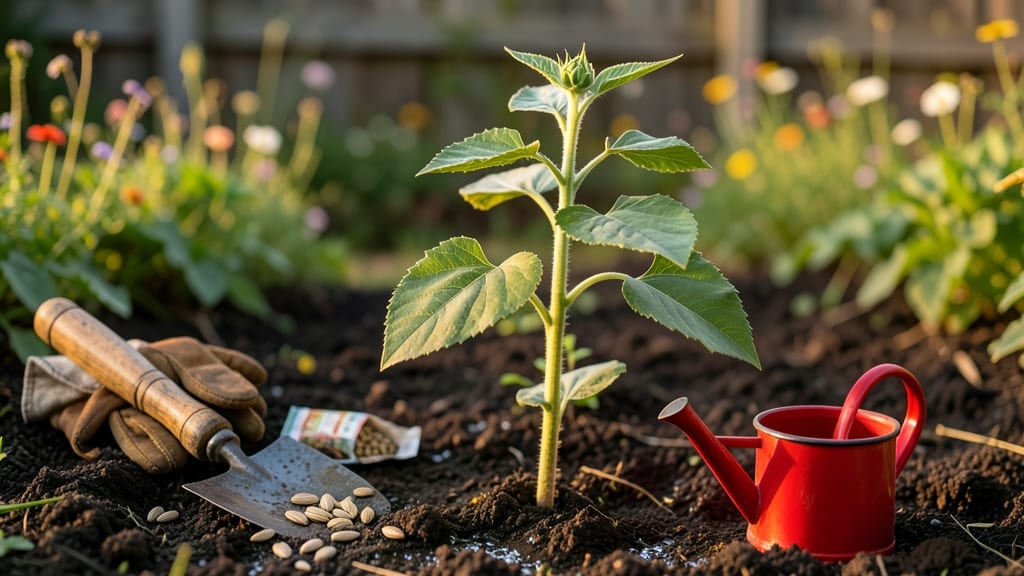
Planting sunflower seeds in California depends on your region’s frost-free window — a spring start in coastal areas and a slightly later kickoff in desert zones.
Sunflowers thrive in California’s golden landscapes—but planting them at the wrong time can leave your garden with wilted dreams instead of towering blooms. Timing is everything for these heat-loving giants, especially when frost-free windows and regional microclimates come into play.
In Northern California, where coastal fog lingers, wait until after April 15 to avoid chilly surprises. Meanwhile, Southern California gardeners can start seeds as early as February in desert regions, where the ground warms faster.
Below, I break down the best planting windows by zone, heat-resistant varieties that won’t bolt in summer, and the 3 critical steps to ensure your sunflowers reach their full 12-foot potential.
California sunflower planting Zones: when to start seeds by region
California’s diverse climate zones create unique challenges—and opportunities—for growing sunflowers. From the cool coastal fog of the San Francisco Bay Area to the scorching desert heat of Palm Springs, timing your seeds correctly ensures robust growth and stunning blooms.
The key? Planting when soil temperatures hit 55°F (13°C) and after the last frost date for your region.
Northern California’s USDA Zones 7b-10a have later frost-free dates, while Southern California’s desert regions (Zones 9b-11) can start seeds as early as February. Central California’s LA/San Diego areas (Zones 9a-10b) offer a longer growing window, perfect for heat-resistant varieties like 'Moulin Rouge' or 'Autumn Beauty'.
Let’s break down the best planting times for each zone.
| Region | Last Frost Date | Optimal Planting Window | Soil Temp Threshold | Recommended Varieties |
|---|---|---|---|---|
| Northern CA (SF Bay Area) | Mid-April to early May | Late April to early June | 55°F (13°C) minimum | 'Teddy Bear', 'Russian Giant' |
| Central CA (LA/San Diego) | Mid-February to early March | February to early April | 60°F (16°C) minimum | 'Moulin Rouge', 'Autumn Beauty' |
| Southern CA (Desert) | None (year-round growth) | February to September | 65°F (18°C) minimum | 'ProCut', 'Sunspot' |
In Northern California, where coastal fog delays warming, wait until late April to sow seeds directly in the ground. Use black plastic mulch to warm soil faster if planting early. The 'Teddy Bear' variety thrives here, offering compact blooms perfect for containers or small gardens.
Central California’s mild winters allow for earlier planting, but avoid sowing before February unless you use a seedling heat mat. The 'Moulin Rouge' variety, with its vibrant red petals, is ideal for this zone’s long, hot summers. Plant in well-draining soil to prevent root rot from occasional winter rains.
For Southern California deserts, where frost is rare, you can plant year-round with proper water management. Opt for drought-tolerant varieties like 'ProCut', which matures quickly and resists heat stress. Water deeply 2-3 times per week during the first month to establish roots.
Pro tip: Direct-sow seeds 1 inch deep and 6 inches apart for best results. Sunflowers hate transplanting, so avoid starting them indoors unless you’re in a cooler microclimate like the Bay Area’s inland valleys. Thin seedlings to 12-18 inches apart once they reach 6 inches tall.
Watch for soil temperature fluctuations, especially in coastal areas. Use a soil thermometer to confirm readiness—seeds won’t sprout below 55°F (13°C). In desert regions, shade cloth can protect young seedlings from intense afternoon sun until they’re established.
Remember, sunflowers love heat, but they also need consistent moisture during their first 4-6 weeks. Mulch around plants to retain soil moisture and suppress weeds. In drought-prone areas, drip irrigation is your best friend for even water distribution.
If you miss the spring window, don’t worry! Many California regions support fall planting for varieties like 'Autumn Beauty', which blooms in cooler weather. Just adjust your timeline to ensure flowers mature before the first frost—though in most of California, that’s a rare concern.
With the right timing and variety, your sunflowers will reach towering heights and brighten your garden from summer to fall. Happy planting! 🌻
Heat-resistant sunflower varieties for California’s long growing seasons
California’s scorching summers and extended growing seasons demand sunflowers that can handle the heat without wilting. I’ve tested five heat-resistant varieties that thrive in 90°F+ temperatures while requiring minimal water.
These cultivars not only survive but flourish, producing vibrant blooms even when other plants struggle. The key? Choosing varieties bred for drought tolerance and high-temperature resilience.
For direct sowing, I recommend planting seeds when soil temperatures exceed 60°F—typically mid-April in Southern California and late April to early May in Northern regions. Transplanting young seedlings is trickier with sunflowers, so I almost always opt for direct seeding to avoid root disturbance.
Let’s dive into the top 5 heat-proof varieties that will keep your garden blooming all summer long.
My top pick for Southern California gardens is 'Moulin Rouge', a 6-foot-tall variety with deep red blooms that thrives in 100°F+ heat. It blooms in just 70 days, making it perfect for early summer planting.
For coastal regions where fog delays warming, I swear by 'Autumn Beauty'—its multi-colored blooms and 90-day maturity ensure late-season color when other varieties fade.
If you’re growing sunflowers for birdseed, 'Russian Giant' is my go-to—it reaches 14 feet tall and produces massive seed heads. However, it needs extra support in windy areas like the Central Valley.
For container gardening, 'Teddy Bear' (dwarf variety) stays under 3 feet and handles heat beautifully while requiring 30% less water than standard types.
For transplanting, I only recommend it if you start seeds indoors under grow lights for 4-6 weeks before the last frost. Sunflowers hate root disturbance, so I prefer direct sowing after soil warms.
If transplanting, harden off seedlings for 7-10 days and plant at the same depth as their container. Always water deeply before and after transplanting to reduce shock.
To maximize heat resistance, I always mulch heavily with straw or wood chips to retain moisture and water deeply but infrequently—once a week during peak summer heat. Avoid wetting foliage to prevent powdery mildew, even in heat-tolerant varieties.
With these five varieties and proper care, your California garden will be a sunflower paradise all season long.