
Propagation
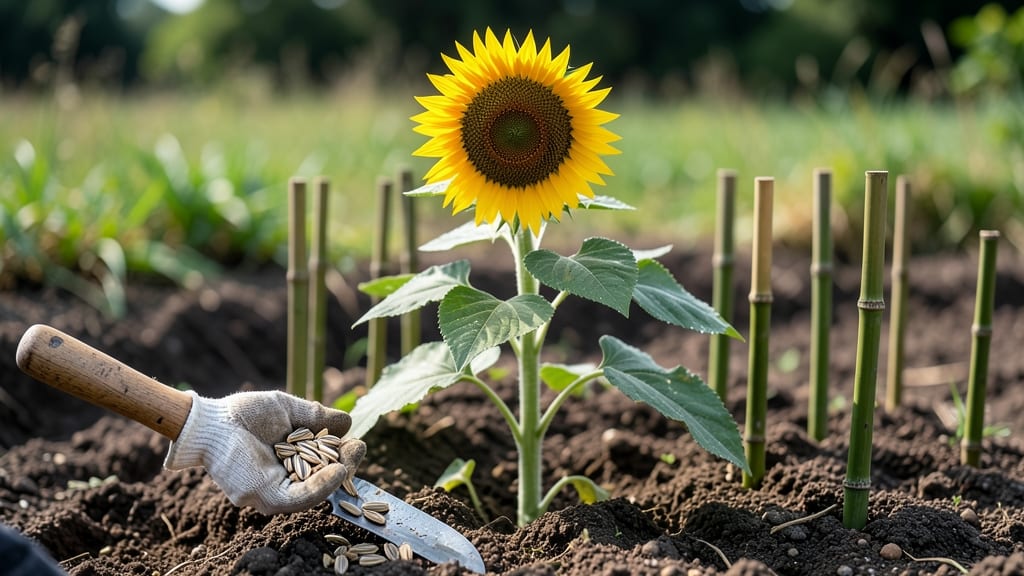
Planting sunflower seeds outdoors 🌻 is one of the most rewarding ways to bring towering beauty to your garden—if you get the timing, depth, and spacing right.
Picture this: a few weeks after your last frost, you drop those plump seeds into loose soil, water them gently, and wait. What emerges isn’t just a plant—it’s a sun-soaked giant that could reach taller than you by summer’s end.
The key? Planting them at the perfect 0.5–1 inch depth and spacing them 12–24 inches apart for strong stems and abundant blooms.
But here’s the catch: rush the process, and you’ll end up with leggy, weak seedlings or crowded stalks that topple in the wind. Too shallow, and they’ll struggle to anchor; too deep, and they’ll rot before sprouting.
Get it right, though, and you’re on track for sunflowers that thrive from late April to early June—just in time for a late-summer harvest.
In this guide, I’ll walk you through every step—soil prep, watering, sunlight needs, and how to troubleshoot those first tricky weeks. By the end, you’ll know exactly how to turn a handful of seeds into a golden garden centerpiece that’s as easy as it is impressive.


Optimal sunflower seed planting depth and spacing for maximum growth
Sunflowers thrive when planted with precision—planting depth and spacing directly impact their ability to develop strong stems and abundant blooms. Too shallow, and seeds may dry out; too deep, and they’ll struggle to reach the surface.
The same goes for spacing: crowding leads to disease risks and weak stems, while too much space wastes garden real estate. Let’s dive into the science-backed guidelines to ensure your sunflowers grow tall, healthy, and vibrant.
For optimal results, plant sunflower seeds at a depth of 0.5–1 inch below soil level. This depth balances moisture retention with easy access to sunlight for young seedlings. If your soil is sandy or dry, aim for the upper end (1 inch) to protect seeds from drying out.
In clay-heavy or moist soils, 0.5 inch suffices to prevent rot. Always plant seeds after the last frost when soil temperatures consistently reach 50–55°F (10–13°C)—this ensures rapid germination without risking frost damage.
| Factor | Specification | Notes |
|---|---|---|
| Planting Depth | 0.5–1 inch | Sandy soil: 1 inch; Clay soil: 0.5 inch |
| Seed Spacing | 12–24 inches apart | Dwarf varieties: 12 inches; Standard: 18–24 inches |
| Row Spacing | 2–3 feet apart | Prevents shading and improves air circulation |
| Soil Temperature | 50–55°F (10–13°C) | Germination slows below 50°F; ideal for spring planting |
| Moisture Needs | Consistently moist | Avoid waterlogging; mulch to retain moisture |
Spacing is just as critical as depth. Plant sunflower seeds 12–24 inches apart, depending on the variety. Dwarf varieties (2–4 ft tall) can handle closer spacing (12 inches), while standard varieties (8–14 ft tall) need 18–24 inches to prevent overcrowding.
Overcrowded sunflowers compete for nutrients, leading to weak stems that snap under their own weight or in windy conditions. For rows, maintain 2–3 feet of space between them to ensure proper air circulation and sunlight penetration to the base of the plants.
Soil temperature plays a pivotal role in germination success. Sunflower seeds germinate best in soil that’s at least 50°F (10°C)—below this, germination slows dramatically. Use a soil thermometer to monitor temperatures, especially in cooler climates.
If planting in early spring, consider using black plastic mulch or a cold frame to warm the soil faster. Once seeds sprout, maintain consistent moisture without waterlogging, as uneven moisture can cause seedlings to develop fungal diseases like damping-off.
Proper spacing also reduces the risk of powdery mildew, a common sunflower foe. When plants are too close, humidity lingers between leaves, creating ideal conditions for fungal spores to thrive. To combat this, always space rows at least 2 feet apart and avoid overhead watering.
Instead, use a soaker hose or drip irrigation to deliver water directly to the soil. This method keeps foliage dry while ensuring roots receive the moisture they need.
If you’re growing sunflowers in containers, adjust spacing to 12–18 inches apart (depending on variety) and use large pots (at least 12 inches deep) to accommodate their deep root systems. Containers dry out faster, so monitor soil moisture closely and water every 2–3 days during the growing season.
For in-ground planting, amend the soil with compost or well-rotted manure before sowing to improve drainage and nutrient availability—this sets the stage for strong, disease-resistant plants.
One common mistake is planting seeds too deeply in an attempt to protect them from birds or drying soil. While seeds need moisture, planting deeper than 1 inch can delay or prevent germination entirely. If birds are a concern, use row covers or netting instead of burying seeds deeper.
Similarly, avoid compacting soil around seeds after planting, as this can create an airless environment that suffocates young roots. Gently firm the soil with your fingers or a small board to ensure good seed-to-soil contact without compacting.
For maximum growth, pair proper planting with regular care. Once seedlings reach 4–6 inches tall, thin them to your desired spacing to eliminate competition.
Use the thinned seedlings as transplants in another area or compost them to return nutrients to the soil. Mulch around the base of plants with **st
Step-by-step guide to planting sunflower seeds outdoors like a pro
Sunflowers thrive when planted at the right time and in the perfect conditions. For most regions, the best time to plant sunflower seeds outdoors is after the last frost date—typically between late April and early June.
However, if you live in a warmer climate, you can also sow seeds in early fall for a late-summer harvest. Just ensure the soil temperature stays above 55°F (13°C) for optimal germination.
Before you begin, choose a location with full sun exposure—sunflowers need at least 6 to 8 hours of direct sunlight daily to grow tall and strong.
If your garden receives partial shade, opt for dwarf varieties like 'Teddy Bear' instead of standard types, which can grow up to 12 feet tall. Now, let’s get your sunflowers off to the best possible start with these foolproof steps.
Your Sunflower Planting Checklist
- 1 Prepare the Soil: Loosen the soil to a depth of 12 inches using a garden fork or tiller. Mix in 2–3 inches of compost or well-rotted manure to enrich the soil with nutrients. Sunflowers prefer loamy, well-draining soil with a pH between 6.0 and 7.5.
- 2 Choose Your Seeds: Select high-quality, untreated seeds for the best germination rates. If you’re growing sunflowers for cut flowers or birdseed, opt for hybrid varieties like 'Moulin Rouge' or 'Autumn Beauty.' For edible seeds, try 'Russian Giant' or 'ProCut.'
- 3 Plant the Seeds: Create small holes ½ to 1 inch deep and space them 6 inches apart. Drop 2–3 seeds per hole to increase your chances of germination. Once sprouts appear, thin them to leave the strongest seedling in each spot, spacing them 12–24 inches apart for mature plants.
- 4 Water Gently: After planting, water the soil lightly but thoroughly to settle it around the seeds. Keep the soil consistently moist (not soggy) until germination, which typically occurs in 7–14 days. Once seedlings emerge, water at the base of the plant in the morning to avoid fungal diseases.
- 5 Monitor for Growth: Healthy sunflower seedlings will have two small leaves (called cotyledons) followed by true leaves that resemble adult foliage. If you notice yellowing leaves or stunted growth, check for overwatering or nutrient deficiencies. Apply a balanced fertilizer (10-10-10) lightly when plants reach 6 inches tall.
Once your sunflowers are established, they’re surprisingly low-maintenance. However, watch for early signs of stress, like drooping leaves or wilting, which can signal underwatering or root rot. Mulch around the base of the plants with straw or grass clippings to retain moisture and suppress weeds.
With the right care, your sunflowers will reward you with vibrant blooms in as little as 8–10 weeks!
Pro tip: If you’re growing sunflowers for cut flowers, deadhead the spent blooms to encourage more flowers on the same stem.
For seed production, leave a few blooms to mature—you’ll know they’re ready when the back of the petals turns brown and the seed head feels heavy and dry. Happy planting—your garden will soon be a sunshine-filled paradise! 🌻