
Plants
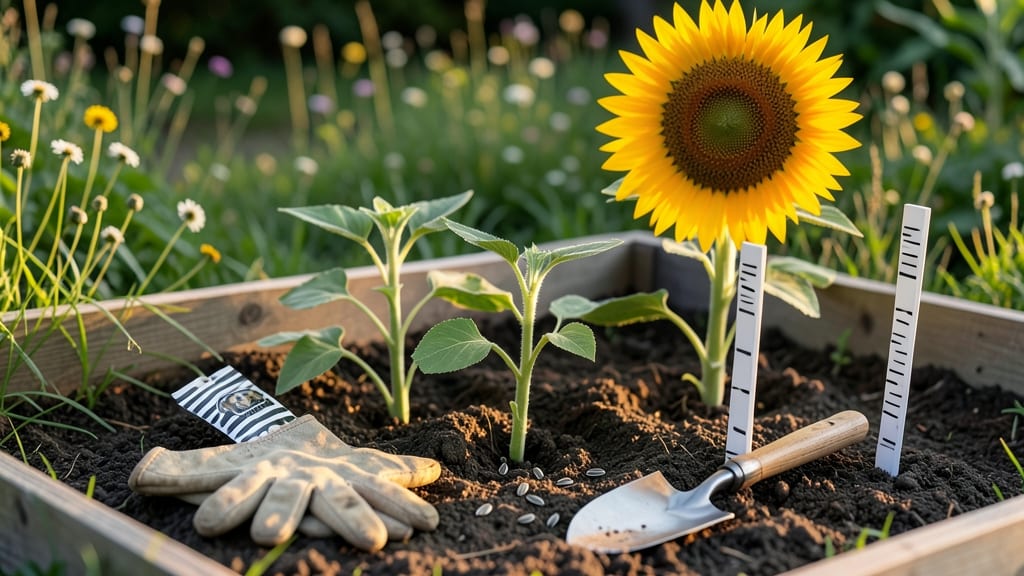
Planting sunflower seeds in Oregon after the last frost date—typically mid-April to early June—sets the stage for bold, towering blooms that thrive in the state’s varied climate.
But timing isn’t just about the calendar—it’s about avoiding those heartbreaking late frosts that can turn your 🌻 dreams into droopy stalks before they even sprout.
In USDA Zones 7b-9a, coastal areas and high-desert regions play by different rules, and a misstep means missing the 60- to 120-day window these fast growers need to reach their full glory.
Whether you’re in Portland’s mild coastal zone or the hotter inland valleys, the key is knowing your microclimate. Too early, and frost zaps your seedlings. Too late, and the season rushes by before your sunflowers can mature.
Here’s how to pinpoint the perfect window, prep your soil, and choose varieties that make the most of Oregon’s short but sunny growing season.
Oregon sunflower planting calendar: frost-free dates by USDA Zone
Oregon’s diverse climate—from coastal fog to high-desert heat—means sunflower planting windows vary dramatically by USDA zone. In Zone 6 (eastern Oregon), you can start seeds 2-3 weeks earlier than in Zone 9 (coastal areas). The key? Plant after your last average frost date and when soil reaches 50°F+.
Most of Oregon falls in Zones 7b-8b, where mid-April to early June is ideal. But coastal areas (like Astoria or Brookings) may wait until late May due to delayed warming. Meanwhile, high-desert regions (Bend, La Grande) can plant as early as late March.
Use this summary table to pinpoint your local planting window based on Oregon’s USDA zones and microclimates:
For Zone 6 gardeners in Bend or La Grande, soil warms quickly in March, so direct-sow seeds by late March. In contrast, coastal Zone 8 (like Astoria or Cannon Beach) may need to wait until late May due to delayed frost-free dates and cooler soils.
Pro tip: Use a soil thermometer to confirm 50°F+ soil temps before planting. Cold soil slows germination, and sunflowers hate soggy roots. If your soil is still chilly, start seeds indoors 2-3 weeks before your target outdoor date.
Adjust for microclimates: Urban areas (like Portland) may have warmer pockets near buildings, while rural gardens can experience colder nighttime temps. Plant dwarf varieties (like ‘Teddy Bear’) in Zone 8 to avoid late-season frosts cutting blooms short.
Sunflowers are fast growers—some varieties mature in 60-80 days—so succession plant every 2 weeks for continuous blooms. In Zone 6, you might squeeze in two harvests before first frost, while Zone 9 can enjoy blooms into October.
Remember: Oregon’s frost dates shift yearly. Check the Oregon State University Extension Service or local Cooperative Extension office for updated frost predictions. A 5°F dip after planting can kill seedlings, so have row covers ready for late-season surprises.
With the right timing, your sunflowers will tower over your garden, attracting pollinators and adding golden cheer—no matter which Oregon zone you call home. 🌻
How to extend sunflower growing season in Oregon’s unpredictable climate
Oregon’s cool, wet springs and late frost risks can sabotage sunflower dreams before they even sprout. But with the right strategies, you can push your growing season by weeks—even months—while protecting delicate seedlings. The key? Early starts, smart timing, and frost shields tailored to your microclimate.
Urban gardeners in Portland or Eugene face different challenges than rural growers in Bend or the Willamette Valley. Coastal areas stay cooler longer, while inland zones warm up faster.
By leveraging cold frames, row covers, and succession planting, you can turn Oregon’s unpredictable weather into an advantage—not a limitation.
Sow seeds in biodegradable pots under grow lights by mid-March for transplanting after last frost (typically mid-April to early May). Use a heat mat to speed germination in 50-55°F soil.
Cover seedlings with floating row covers or lightweight fabric until they reach 12 inches tall. Remove covers during daytime warmth to prevent overheating. Ideal for urban containers or high-elevation gardens.
Plant near south-facing walls, black plastic mulch, or dark-colored containers to absorb heat. Urban gardens benefit from rooftop planters or balcony spaces that warm up faster than ground soil.
Sow new seeds every 14 days from April to June for continuous blooms. This ensures at least one batch escapes late frosts while extending harvest into early fall.
For high-desert areas like Bend or La Pine, where nights stay chilly, opt for cold frames or mini greenhouses. These create a 5-10°F warmer microclimate, letting you plant 2-3 weeks earlier than the official last frost date. Just ensure ventilation to prevent overheating during daytime sun.
In coastal Oregon, where fog and dampness linger, prioritize well-draining soil and elevated beds. Mix in compost and perlite to improve drainage, and avoid overwatering—root rot is a common issue in Zone 8-9 coastal gardens.
A 5-gallon container with fast-draining mix works well for balcony sunflowers.
Finally, choose fast-maturing varieties like ‘Moulin Rouge’ (50 days) or ‘Autumn Beauty’ (60 days) for short-season areas. These dwarf varieties bloom quicker and handle cooler temperatures better than giant types like ‘Russian Giant’, which need longer, warmer summers.
With these strategies, your sunflowers can thrive even in Oregon’s unpredictable climate. Start early, protect seedlings, and harvest vibrant blooms from summer to early fall—no frost required! 🌻