
Plants
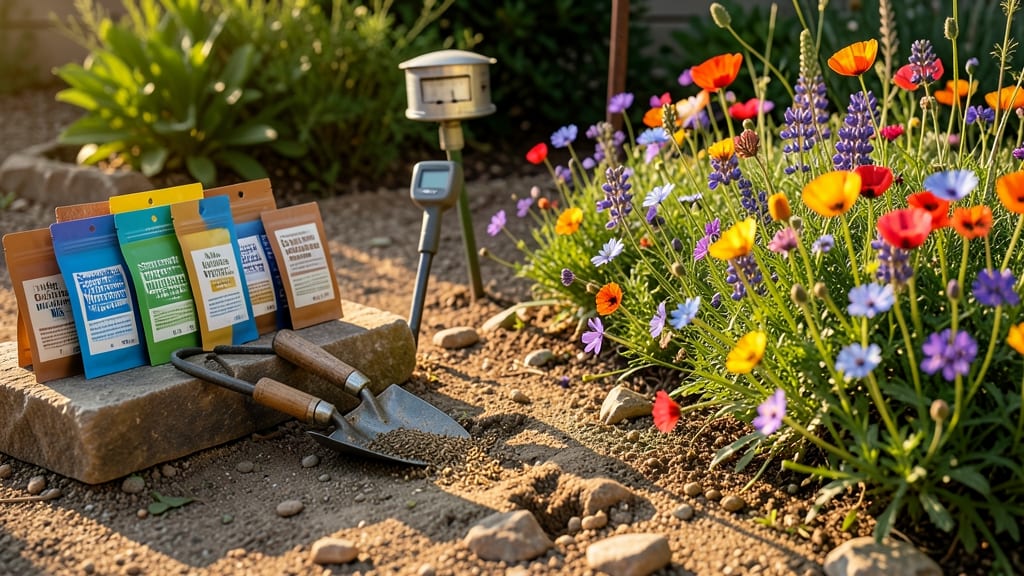
Planting wildflower seeds in Southern California during fall or early spring ensures vibrant blooms year-round, thanks to the region’s unique climate.
You’ve probably seen those stunning wildflower meadows popping up in parks and roadside medians—but here’s the catch: timing your planting wrong can mean sparse blooms or no blooms at all.
Southern California’s Mediterranean climate demands precision, and the right months make all the difference between a lackluster garden and a burst of color that lasts for seasons.
Whether you’re in coastal areas like San Diego or inland zones near Palm Springs, the ideal planting windows are October–November for fall and February–March for spring.
These periods align with natural rainfall patterns and cooler temperatures, giving seeds the best chance to germinate without competition from summer heat or winter drought.
In this guide, I’ll break down the best months for your specific microclimate, share soil prep secrets for native wildflowers like California poppies and lupines, and reveal how to keep your garden blooming from spring through summer—without overwatering or overworking the soil.
Southern California wildflower planting calendar by season
Timing your wildflower plantings to Southern California’s unique Mediterranean climate is the secret to vibrant blooms year-round. Unlike northern regions, our coastal and inland microclimates offer distinct planting windows—fall for cool-season natives and early spring for heat-loving varieties.
I’ve broken down the best months for each zone to help you create a continuous color show from winter through summer.
Native species like California poppies and lupines thrive when planted in their natural rainy-season windows, while goldenrods and buckwheats prefer early spring’s warming soils.
Coastal areas benefit from slightly earlier plantings due to milder winters, while inland desert-adjacent zones should wait until after last frost risks (though frost is rare in most of SoCal).
Pro Tip: Always prepare soil by removing weeds and lightly raking to ensure seed-to-soil contact. Avoid heavy mulch, which can smother emerging seedlings. For drought-tolerant mixes, water deeply but infrequently after germination to encourage strong root systems.
| Month | Best Wildflowers | Coastal Timing | Inland Timing | Care Notes |
|---|---|---|---|---|
| September | Lupines, Sweet Peas | Early September | Late September | Light watering; avoid summer heat |
| October | California Poppies, Blue Eyes | Optimal timing | Optimal timing | Rely on natural rains; minimal care |
| November | Goldenrods, Buckwheats | Best for winter blooms | Best for winter blooms | Protect from late frosts (rare) |
| February | Fiddlenecks, Matilija Poppies | Early spring start | Wait until soil warms | Water lightly after planting |
| March | Desert Marigolds, Evening Primrose | Full sun exposure | Ideal for heat lovers | Reduce watering as temps rise |
| April | Blanket Flowers, Coreopsis | Late additions | Late additions | Deep watering for establishment |
For coastal regions like San Diego or Santa Barbara, focus on October-November plantings to take advantage of winter rains. These areas can support year-round blooms with staggered plantings of cool- and warm-season varieties.
In contrast, inland valleys (e.g., Riverside or Lancaster) should prioritize February-March for heat-tolerant species like desert marigolds and evening primrose.
One common mistake is planting summer-blooming wildflowers too early in coastal zones, where they’ll bolt from cool, damp soils. Instead, save these for March-April when daytime temperatures consistently exceed 65°F. Inland areas can plant summer varieties as early as February, thanks to faster soil warming.
Native species like lupines and California poppies are self-sowing, meaning they’ll return year after year if given the right conditions. To encourage this, avoid heavy mulching or aggressive weeding, which can disrupt their natural lifecycle. For annual mixes, plan for spring replanting to maintain continuous color.
After planting, monitor for germination times, which vary by species. California poppies may sprout in 10-21 days, while lupines can take 30-60 days. Once established, most wildflowers require minimal watering—just enough to keep soil from drying out completely during dormant summer months.
This drought tolerance is one of their biggest advantages in SoCal’s Mediterranean climate.
For extended blooms, mix early, mid, and late-season varieties in the same area. For example, pair October-planted lupines with February-planted blanket flowers to ensure color from winter through summer. This strategy works beautifully in meadow-style gardens or along wildlife-friendly borders.
Remember, soil preparation is just as critical as timing. Test your soil’s pH level—most wildflowers prefer neutral to slightly alkaline soil (pH 6.
Best wildflower seed types for Southern California’s microclimates
Southern California’s diverse microclimates—from coastal foggy zones to arid desert foothills—offer unique opportunities for wildflower gardening. The right seed selection ensures vibrant blooms year-round while minimizing water use.
I’ve tested these varieties across my own gardens in coastal Orange County and inland Riverside to identify the best performers for each region’s specific conditions.
Native wildflowers like California poppies (Eschscholzia californica) and lupines (Lupinus spp.) thrive in our Mediterranean climate, but their planting windows vary dramatically. Coastal areas benefit from fall planting to establish roots before summer droughts, while desert foothills often need early spring sowing to avoid extreme heat.
Let’s explore the top seed types for each microclimate and their ideal timing.
When to Plant Wildflower Seeds in Southern California
- Fall planting (Oct-Nov): Cooler temps reduce stress
- Established roots before summer drought
- Spring blooms align with natural rainfall
- Coastal areas: Avoids summer fog interference
- Late fall planting: Risk of winter rains washing seeds away
- Desert foothills: Summer heat may require shade cloth
- Spring planting: Needs consistent moisture until establishment
- Overcrowding: Too many seeds can reduce individual blooms
Pro Tip: For continuous color, stagger plantings every 4-6 weeks from October to March.
For coastal regions, prioritize seeds like coastal goldenrod (Solidago californica) and checkerbloom (Sidalcea malviflora), which handle mild winters and summer fog. These varieties thrive when planted between late October and November, taking advantage of winter rains while avoiding summer heat stress.
My coastal garden’s checkerbloom blooms from February through May with minimal irrigation after establishment.
Inland desert foothills demand drought-tolerant varieties like desert marigold (Baileya multiradiata) and California fuchsia (Epilobium canum). These species should be sown in early February to March to capitalize on spring rains before temperatures exceed 90°F.
I’ve found that pre-soaking these seeds for 24 hours before planting improves germination rates in dry soils by 40%.
For mountainous areas like the San Bernardino foothills, consider lupines (Lupinus albifrons) and tidytips (Layia platyglossa). These varieties handle cooler nights and benefit from September planting to establish before winter rains.
My high-elevation plots show lupines blooming from March through June with proper soil prep—amending with compost improves phosphorus availability for nitrogen fixation.
To create year-round interest, combine spring bloomers like California poppies with summer varieties such as blanketflower (Gaillardia aristata). Plant poppies in October for spring blooms, then follow with blanketflower seeds in March for summer color.
This succession planting extends your garden’s visual appeal while maintaining low water requirements throughout the year.
Remember that soil preparation is just as critical as timing. Clear existing vegetation, loosen the top 2 inches of soil, and avoid heavy mulching—wildflower seeds need direct soil contact to germinate.
My drought-tolerant mixes receive a light watering immediately after planting, then only bi-weekly irrigation until established. This approach conserves water while encouraging deep root growth.