
Flowers
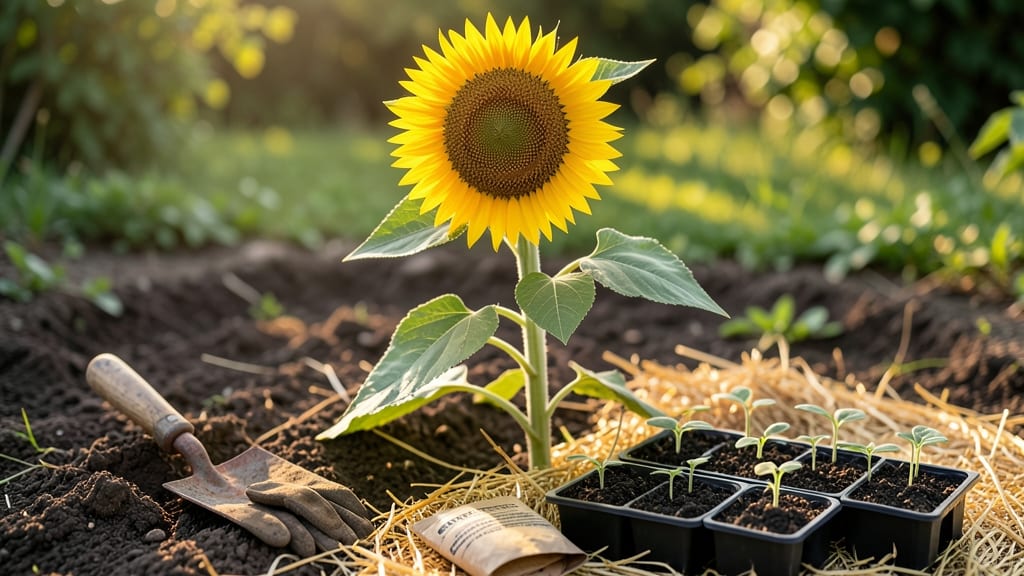
Plant sunflowers in Northern California after the last frost date, typically mid-March to mid-July, to ensure strong growth and vibrant blooms 🌻.
Timing is everything—plant too early, and a late frost will stunt your towering beauties. Too late, and you’ll miss the late-summer harvest that makes sunflowers worth growing. The right window means sunflowers that reach their full height, from 3-foot dwarfs to 16-foot giants, thriving in your garden.
Northern California’s varied climate means coastal areas and inland valleys have different frost-free dates. Whether you’re in the Bay Area or the Sacramento Valley, knowing your zone’s last frost date is the key to avoiding common mistakes like weak stems or missed blooms.
In this guide, I’ll break down the best planting times by region, share tips for adjusting timing to get earlier or later blooms, and help you pick the best sunflower varieties for your microclimate.
Northern California sunflower planting zones: frost-free dates by region
Northern California's diverse microclimates create unique challenges for sunflower growers. From the cool coastal regions of USDA Zone 9b to the hot inland valleys of Zone 8a, frost-free dates can vary by 3-4 weeks.
Understanding these differences ensures your sunflowers thrive and reach their towering heights. The key is planting after your region's last frost date when soil temperatures consistently stay above 50°F (10°C).
Coastal areas like San Francisco and Santa Cruz experience milder winters with later frosts, while inland regions such as Sacramento and Chico have earlier frost-free dates. Even within the same city, elevation changes can shift frost dates by 10 days or more.
For example, Berkeley's coastal areas might see frost-free conditions by March 20th, while nearby Oakland hills could be ready by March 5th.
Here's a detailed breakdown of frost-free dates and ideal planting windows across Northern California's key regions:
For Bay Area gardeners, the coastal fog can delay growth by 2-3 weeks
How to adjust sunflower planting time for faster blooms or late-season growth
Northern California's diverse microclimates mean your sunflower blooms can thrive year-round with the right adjustments. The key is understanding how to extend your growing season using succession planting and cold-hardy varieties.
Whether you're aiming for early summer blooms or fall harvests, these strategies will help you beat the odds.
For faster blooms, start with early-maturing varieties like 'Moulin Rouge' or 'Teddy Bear'—these can bloom in as few as 45-50 days. Plant them 2-3 weeks before your usual window, around early April in most of Northern California.
The trick is to warm the soil first by using black plastic mulch or planting in raised beds.
🌱 Key Strategies for Adjusting Sunflower Planting Time
- 1. Succession Planting: Plant every 2-3 weeks from April to July for continuous blooms. Use fast-maturing varieties first, then switch to taller varieties as space opens up.
- 2. Cold-Hardy Varieties: Choose 'Russian Giant' or 'Autumn Beauty' for late-season growth. These tolerate cooler temperatures and can handle light frosts after establishment.
- 3. Soil Preparation: Amend soil with compost and aged manure to improve drainage and nutrient retention. Test pH—sunflowers thrive in 6.0-7.0 range.
- 4. Microclimate Leveraging: Coastal areas? Plant 1-2 weeks later than inland zones. Inland zones like Sacramento can start 2 weeks earlier due to warmer soils.
- 5. Late-Season Extenders: Use row covers or cloche tunnels to protect seedlings if planting in September for fall blooms. Choose dwarf varieties like 'Sunspot' to avoid wind damage.
If you're aiming for late-season growth, focus on September plantings with short-day varieties. These varieties, like 'ProCut' or 'Evening Sun,' respond to shorter daylight hours and bloom later in the season.
To protect young plants, use row covers until they reach 6 inches tall, then remove to encourage stronger stems.
Don't overlook soil temperature—it’s the hidden factor in sunflower success. Use a soil thermometer to confirm temperatures are above 50°F (10°C) before planting.
If your soil is too cold, delay planting or use black plastic mulch to warm it faster. Well-draining soil is non-negotiable; sunflowers hate soggy roots.
For coastal gardeners, embrace the cooler, foggier conditions by selecting compact varieties like 'Moulin Rouge' or 'Teddy Bear.' These handle high humidity better and bloom faster.
Inland gardeners can push the growing season limits by planting 'Russian Giant' in late July—these giants can still reach 10-12 feet tall before frost.
Pro tip: Water deeply at planting and mulch heavily to retain moisture. Sunflowers are drought-tolerant once established, but young plants need consistent moisture to avoid bolting too quickly or stunted growth.
Aim for 1 inch of water per week, delivered in the early morning to prevent fungal issues.