
Plants
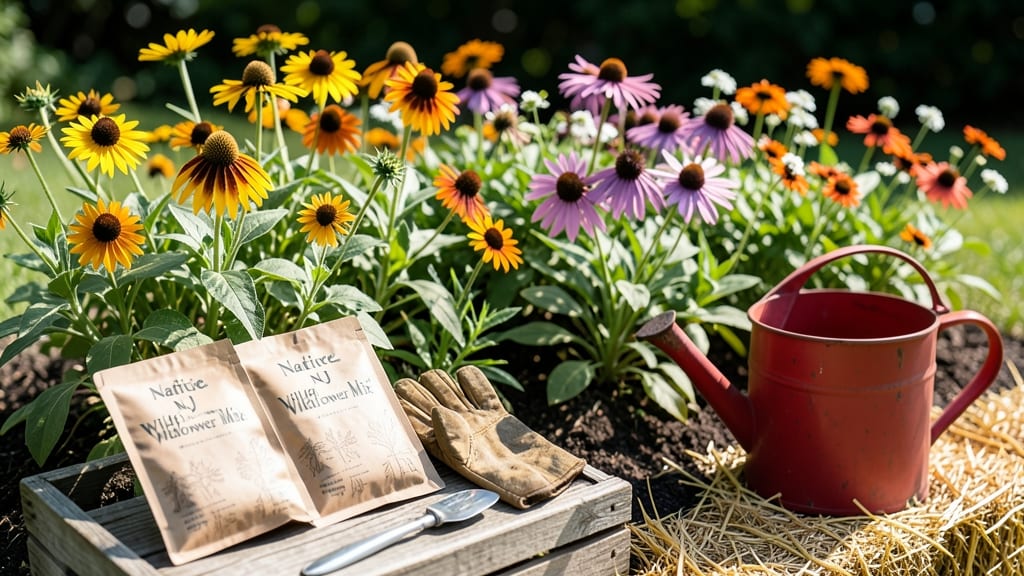
Planting wildflower seeds in NJ at the right time means the difference between a vibrant meadow and a brown patch by summer.
New Jersey’s 6b-7a climate gives you two ideal windows: early spring, when soil warms just enough for germination, and fall, when seeds establish roots before winter. Miss either, and your 🌼 seeds might just disappear under last-minute frost or summer heat.
Most wildflowers thrive from seed—no need for transplants—but native varieties like black-eyed susans and milkweed demand precision. Plant too early, and frost zaps them; too late, and weeds take over.
Below, I break down the exact months to sow, soil prep secrets for NJ’s rocky soil, and how to stretch blooms from spring to fall. Skip the guesswork and get it right the first time.
Best planting seasons for NJ wildflowers by bloom type
New Jersey’s USDA Zones 6b-7a create ideal conditions for wildflowers, but the right planting window depends on whether you’re growing annuals or perennials.
Coastal areas like Cape May have milder winters, while inland regions like Morris County experience earlier frosts—adjusting your timing by 2-4 weeks can mean the difference between thriving blooms and failed germination. Most wildflowers prefer soil temperatures between 60°F and 75°F, which aligns with spring and fall planting.
For spring-blooming annuals like cosmos and zinnias, aim for late March to early April—just as soil warms but before summer’s intense heat. Fall-planted annuals, such as calendula and nasturtiums, thrive when sown in September, giving seeds time to germinate before winter dormancy.
Perennials, like black-eyed Susans and coneflowers, benefit from early spring or late summer planting to establish deep roots before harsh weather.
Here’s a quick reference for NJ’s micro-climates:
| Bloom Type | Best Planting Window | Soil Temp Requirement | Coastal NJ Adjustment | Inland NJ Adjustment |
|---|---|---|---|---|
| Spring Annuals | Late March–Early April | 60–70°F | Shift to April | Shift to March |
| Summer Annuals | May–June (after last frost) | 70–80°F | May | Late May |
| Fall Annuals | September | 65–75°F | Late September | Early September |
| Perennials | Late August–Early October | 60–70°F | September | Late August |
| Biennials | Late Summer (August) | 70–75°F | September | August |
Avoid planting wildflower seeds in winter (December–February) unless you’re using cold-hardy varieties like winter aconite. Soil temperatures drop below 50°F, slowing germination to a crawl. Instead, focus on late summer for perennials or early spring for annuals to maximize bloom potential.
For example, black-eyed Susans sown in September will establish roots before winter and burst into color the following summer.
Coastal NJ gardeners should plant 2–3 weeks later than inland areas due to warmer micro-climates. Inland zones like the Pine Barrens or Delaware Water Gap can experience earlier frosts, so shift your timeline 1–2 weeks earlier.
Always check your local last-frost date—North Jersey’s average is April 15, while South Jersey’s is April 22. Use a seedling heat mat if sowing early to ensure consistent 60°F+ soil temps.
Germination rates improve with moist, well-draining soil. Before sowing, loosen the top 1–2 inches of soil and mix in compost to improve fertility. Press seeds lightly into the soil—most wildflowers need light to germinate, so avoid burying them deeply
Month-by-month NJ wildflower planting calendar with frost risk alerts
Timing your wildflower seeds in New Jersey means balancing soil temperatures, frost dates, and regional microclimates. North Jersey’s last frost typically hits around April 15, while South Jersey often warms up by April 1.
Miss these windows, and you risk seedling loss from late frosts or summer heat stress.
For annual wildflowers, aim for spring sowing (March-April) or fall planting (September-October). Perennials, like black-eyed susans and coneflowers, thrive when planted in early fall—giving roots time to establish before winter. Coastal areas may extend your planting window by 2-3 weeks due to milder temperatures.
🌱 NJ Wildflower Planting Readiness
Start indoor seed starts in February for heat-loving varieties like sunflowers. Use a seedling heat mat to maintain 65-75°F soil temps—critical for germination. Transplant outdoors only after nighttime temps stay above 50°F for 7+ days.
September through October is your safest window for direct sowing. Soil remains warm enough for germination but cools before first frost. Aim for 60-day bloomers like cosmos or zinnia to enjoy fall color before winter. Mulch lightly to protect emerging seedlings from early cold snaps.
Skip summer planting unless you’re sowing heat-tolerant species like Mexican sunflower. Even then, provide shade cloth during peak afternoon heat to prevent seedling stress. Water deeply every 2-3 days to keep soil moist but not waterlogged.
Pro tip: Mark your calendar for May 15—the safe transplant date for most NJ regions. By then, soil temps consistently hit 55°F+, and frost risk drops below 10%. For late bloomers like goldenrod, you can even try June sowings in partial shade.
🌿 Always test your soil temperature with a soil thermometer—aim for 60°F+ for most wildflower seeds. If temps dip below 50°F, germination slows dramatically. Adjust your planting schedule based on your microclimate: inland areas freeze earlier than coastal zones.