
Light Requirements
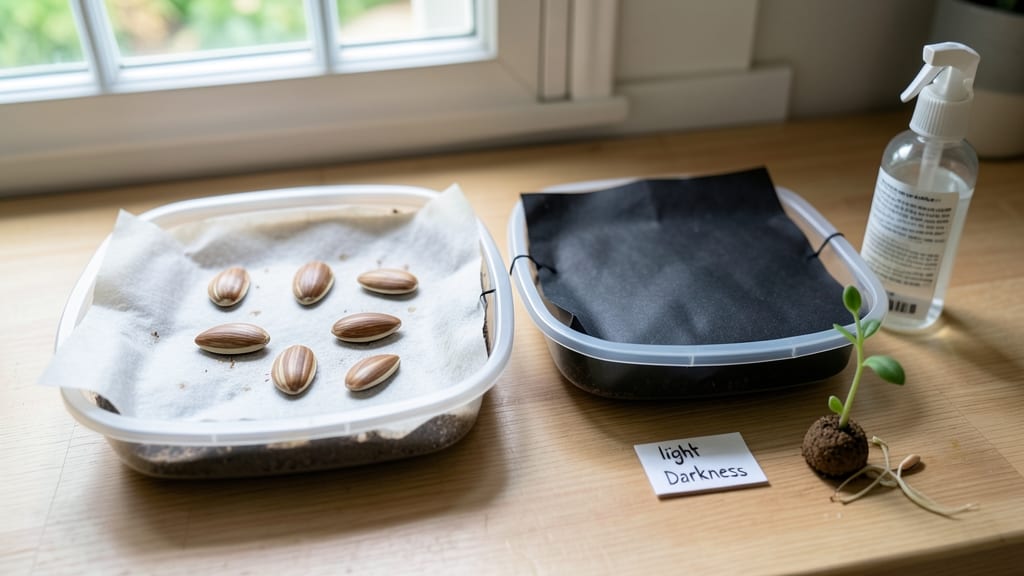
Sunflower seeds don’t need light to germinate—they’ll sprout just fine 1 inch below soil in 6a zones like yours.
But here’s the catch: planting them too deep or too shallow can turn your 🌻 dreams into a flop. Too shallow, and they dry out; too deep, and they struggle to break through. The secret lies in moisture, warmth, and patience—not sunlight.
Whether you’re pre-sprouting indoors or sowing directly in spring soil, I’ll break down the science-backed depth rules, soil tricks, and when to expect those first green shoots.
Skip the guesswork and learn how to turn 90% of your seeds into towering sunflowers—no light required.

Do sunflower seeds need light to germinate? The science behind proper planting depth
Sunflower seeds are photoblastic, meaning they require specific light conditions to trigger germination. Unlike some seeds that sprout in darkness, sunflowers need exposure to light to break dormancy and start growing. This light requirement explains why planting depth matters—too deep, and your seeds may never sprout.
Research confirms that sunflower seeds should be planted at a shallow depth of 0.5 to 1 inch. Studies on seed dormancy show that burying them deeper than 1 inch can block the light they need, leading to poor or delayed germination. The key is balancing moisture and light exposure.
When sunflower seeds are planted too deep, they may germinate underground, producing weak, leggy seedlings that struggle to reach the surface.
This phenomenon occurs because the seedling’s hypocotyl (the stem connecting the seed to the first leaves) stretches excessively to seek light, wasting energy and making the plant vulnerable to disease or breakage.
Conversely, planting seeds too shallow—less than 0.5 inch—can lead to rapid moisture loss, especially in dry or windy conditions. The ideal depth ensures the seed stays hydrated while still receiving enough light to stimulate germination. Always use a fine, well-draining soil to maintain the right balance.
If you’re growing sunflowers in containers, use a seed-starting mix and press seeds just below the soil surface. For outdoor planting, loosen the soil to a depth of 1 inch before sowing. This preparation helps roots establish quickly and reduces the risk of seed rot.
Some gardeners wonder if pre-sprouting sunflower seeds indoors under grow lights can improve germination rates. While this method works, it’s unnecessary for sunflowers since they germinate well in outdoor conditions when planted correctly. The real trick is consistent moisture and proper depth.
Darkness during germination can also trigger etiolation, a process where seedlings grow tall and spindly in search of light. This weakens the plant’s structure and reduces its ability to support heavy sunflower heads later. Always monitor your planted seeds and adjust depth if needed.
To test whether your seeds need light, try planting a few at different depths—0.5 inch, 1 inch, and 2 inches—and observe which ones sprout fastest. This hands-on experiment will help you understand how light exposure affects germination in your specific growing conditions.
Once your sunflowers sprout, thin them to 12–18 inches apart to give each plant room to grow. Proper spacing ensures they receive adequate light throughout their life cycle, leading to stronger stems and larger blooms.
🌱 Understanding the light requirements for sunflower seeds isn’t just about germination—it’s about setting your plants up for success from day one. With the right depth and conditions, you’ll enjoy healthy, vibrant sunflowers that reach their full potential.
Best practices for planting sunflower seeds without light exposure risks
Sunflower seeds are surprisingly resilient, but their germination success hinges on proper planting techniques. While they don't require light to sprout, planting them too deep or in overly dense soil can create risks like rot or delayed sprouting.
The key is balancing moisture, soil quality, and planting depth to ensure healthy growth from the start.
I've planted hundreds of sunflower seeds over the years, and the biggest mistakes I see are either burying seeds too deep or letting them dry out. Sunflowers need consistent moisture during germination but also excellent drainage to prevent waterlogging. Let's break down the best methods to avoid these common pitfalls.
⚠️ WARNING: Common Misconception Sunflower seeds do NOT need light to germinate—they're classified as photoblastic seeds that can sprout in darkness. However, planting them too deep (deeper than 1 inch) or in compacted soil creates a suffocating environment that prevents sprouts from breaking through.
The real risk comes from overly moist, dark conditions that promote fungal growth or seed rot. Always plant seeds 0.5-1 inch deep in loose, well-draining soil to balance moisture and airflow.
For container gardening, I recommend using lightweight potting mix with perlite or vermiculite to improve drainage. Fill containers with moist but not soggy soil and press seeds gently into the surface. Containers allow you to monitor moisture levels more easily than open ground, reducing the risk of overwatering.
When planting in open ground, choose a location with well-draining soil and prepare the bed by loosening the top 6 inches with a garden fork. This prevents soil compaction that could smother emerging sprouts. After sowing, lightly cover seeds with soil and water gently to avoid displacing them.
To troubleshoot delayed sprouting, first check soil moisture—seeds need consistent dampness but not saturation. If your soil feels dry 1 inch below the surface, water gently and monitor daily.
Another common issue is seed viability—test a few seeds in a damp paper towel to confirm they're still viable before replanting.
Once sprouts appear, thin seedlings to 12-18 inches apart to prevent overcrowding. This reduces competition for sunlight and nutrients, ensuring stronger plants. Remember, sunflowers need full sun exposure after germination, so choose a location where they'll receive at least 6-8 hours of direct sunlight daily once established.