
Plants
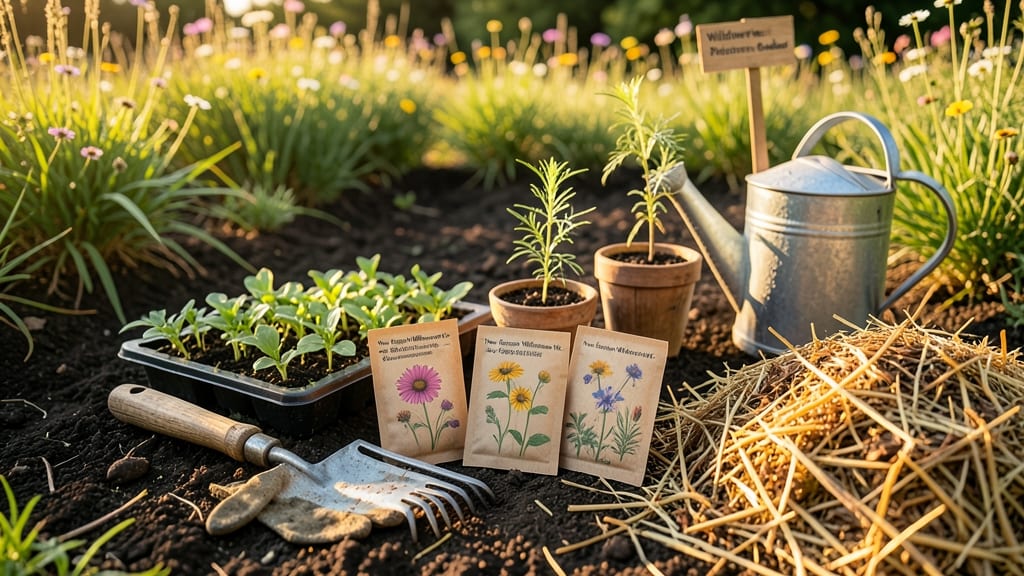
Plant wildflower seeds in New England between early spring and early fall 🌼 — timing them right means the difference between a patch of weeds and a riot of color by summer.
New England’s unpredictable climate can make wildflower gardening a gamble—but timing your seed planting right ensures vibrant blooms year after year. Discover the perfect windows for spring and fall planting to maximize growth and minimize frost risks.
Spring planting works best from March to May, when soil temperatures rise above 40°F and frost-free dates approach. Fall is equally critical, with September to October offering cooler soils and fewer weeds to compete with your seeds.
Below, I’ll break down the exact frost dates by region, the native wildflowers that thrive in zones 5-7, and the simple steps to prep your soil for fast germination and blooms.
New England’s ideal wildflower planting windows: spring vs. fall timing explained
New England’s climate—with its chilly springs, early frosts, and variable rainfall—demands precision when planting wildflower seeds. Unlike warmer regions, timing here isn’t just about seasons but soil temperatures, frost-free dates, and USDA hardiness zones 3–8.
Plant too early, and seeds may rot; too late, and they’ll struggle to establish roots before winter. The key? Spring (March–May) and fall (September–October) offer the best balance for wildflowers to thrive.
In my experience, spring planting works best when soil temps hit 40–50°F—warm enough to prevent seed dormancy but cool enough to avoid stress. For fall planting, aim for 4–6 weeks before first frost, letting seeds germinate slowly while avoiding winter heaving.
Regional differences matter too: coastal areas like Maine’s rocky shores or Connecticut’s coastal plains have milder microclimates, while inland zones (like Vermont’s Green Mountains) face harsher conditions.
Here’s the critical comparison to help you decide:
| Factor | Spring Planting (March–May) | Fall Planting (September–October) |
|---|---|---|
| Soil Temperature | 40–50°F (4–10°C) | 50–60°F (10–15°C) |
| Best Months (Zones 3–5) | April–May | Mid-September–October |
| Best Months (Zones 6–8) | March–April | Late August–September |
| Frost Risk | Low (after last frost) | Moderate (4–6 weeks before first frost) |
| Germination Speed | Fast (2–4 weeks) | Slow (6–8 weeks) |
| Best For | Annuals, fast bloomers | Perennials, drought-tolerant species |
| Regional Note | Coastal areas: 1–2 weeks earlier | Inland areas: 1–2 weeks later |
For spring planting, I recommend starting in late March to early April in southern New England (Massachusetts, Connecticut), where frost-free dates arrive by mid-April.
In northern zones (Maine, Vermont), wait until May to avoid frost damage. Black-eyed Susans and coreopsis thrive when sown in spring, while wild bergamot and purple coneflower benefit from fall planting to establish deep roots.
Fall planting, however, is my top recommendation for perennial wildflowers like milkweed and goldenrod. Seeds germinate slowly in cool soil, avoiding summer heat stress. In Connecticut and Rhode Island, aim for late September; in Maine’s colder zones, plant by mid-October.
The key is to let seeds stratify naturally—a process where seeds experience cold moisture, mimicking winter conditions and breaking dormancy.
One common mistake I see is planting too early in spring when soil is still frozen or too late in fall when frost arrives unexpectedly. Always check your local frost dates (USDA provides zone maps) and adjust by 2–3 weeks for safety.
For example, Portland, Maine (Zone 5), has a first frost by October 15, while Hartford, Connecticut (Zone 6), can extend planting until October 30.
Pro tip: Scatter seeds thinly (1/8 inch deep) and lightly cover with mulch to protect them from wind and erosion. In rocky soils common to New England, mix seeds with sand or fine gravel to improve soil contact.
Water gently but deeply—1 inch per week—to encourage root growth without over-saturating. Avoid fertilizers; wildflowers thrive in low-nutrient conditions and compete poorly with weeds if soil is too rich.
If you’re unsure about timing, fall planting is the safer bet for most New England gardens. It reduces competition from weeds, gives seeds a head start, and often results in earlier blooms the following summer.
Just remember: native species (like New England aster or wild columbine) are hardier than non-native mixes and better suited to our climate’s quirks.
For a foolproof approach, plant a mix of spring and fall seeds—this ensures continuous blooms from early summer to fall. Start with a small test patch to gauge your microclimate’s unique
How to prepare soil and choose wildflower seed mixes for New England’s climate
New England’s rocky, acidic soils and unpredictable rainfall demand special preparation before planting wildflower seeds. Start by testing your soil’s pH balance—most native wildflowers thrive in slightly acidic to neutral soil (pH 6.0–7.0).
If your soil is too acidic, amend it with lime (calcium carbonate) in early spring. For poor drainage, mix in compost or sand to improve aeration and water retention.
Next, clear the planting area of weeds and debris, then loosen the top 4–6 inches of soil with a garden fork or tiller. This helps seeds make contact with moisture and nutrients while preventing compaction.
If your soil is heavy clay, consider creating raised beds or mounded rows to encourage root growth and reduce waterlogging during New England’s spring thaws and summer storms.
- Test soil pH (aim for 6.0–7.0); amend with lime if needed.
- Remove weeds/debris and loosen top 4–6 inches of soil.
- Add compost (2–3 inches) for nutrients and organic matter.
- Choose native seed mixes like black-eyed Susans or milkweed for resilience.
- Lightly rake seeds into soil (no deeper than ¼ inch) for germination.
- Mulch lightly with straw to retain moisture and suppress weeds.
When selecting wildflower seed mixes, prioritize native species adapted to New England’s climate, such as New England aster, wild bergamot, and purple coneflower. These varieties are drought-tolerant and require less maintenance than non-native hybrids.
Look for mixes labeled "eco-friendly" or "pollinator-friendly" to support local ecosystems. Avoid seeds treated with chemical coatings, as these can harm beneficial insects and soil microbes.
For drought-prone areas, opt for seed blends with deep-rooted perennials like yarrow or goldenrod. These plants store water efficiently and thrive in New England’s variable rainfall patterns.
If planting in shady or wooded areas, choose shade-tolerant species like wild columbine or trillium, which flourish under 30–50% sunlight. Always check the seed packet for sunlight requirements to match your site’s conditions.
After planting, water the area lightly but consistently to keep the soil moist (not soggy) until seeds germinate. New England’s spring frosts can delay germination, so use row covers or mulch to protect young seedlings.
Once established, wildflowers typically require minimal watering, but a deep soak every 1–2 weeks during dry spells will encourage robust growth. Avoid overwatering, as waterlogged soil can lead to fungal diseases.
Finally, embrace the natural beauty of wildflowers by letting some seeds reseed each year. This creates a self-sustaining meadow that attracts pollinators and adapts to your local climate.
With the right soil prep and seed choices, your New England wildflower garden will thrive for years with minimal effort and maximum impact.