
Flowers
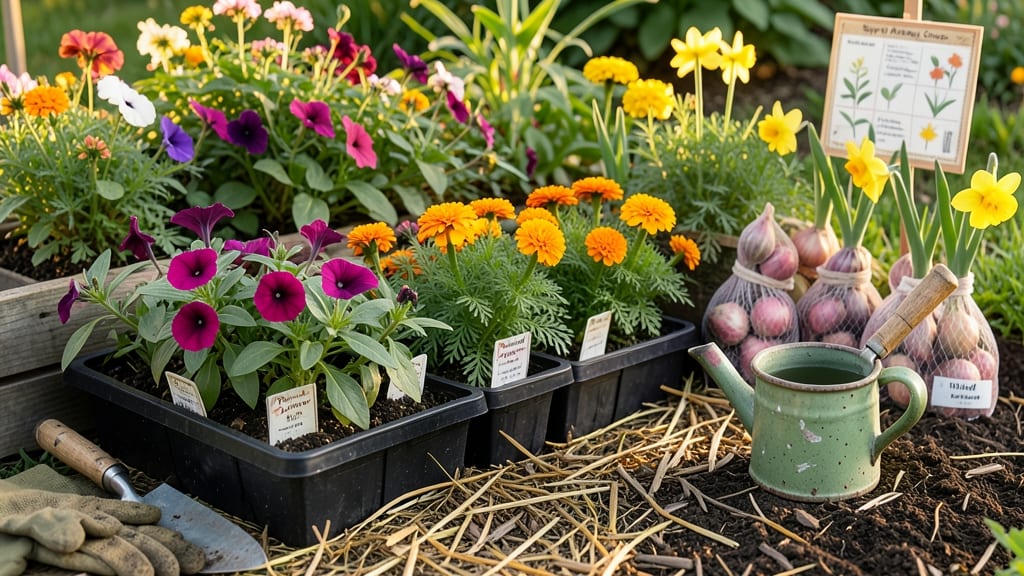
To plant flowers in Rhode Island at the perfect time means catching the window between the last frost—around April 15—and the heat of summer, when many varieties thrive.
Timing is everything in gardening—plant your flowers too early in Rhode Island’s chilly springs, and they’ll wilt before blooming. Too late, and you’ll miss the full summer display. Here’s your precise USDA Zone 6b planting schedule to maximize vibrant blooms all season long.
Whether you’re sowing hardy perennials like black-eyed Susans or delicate annuals such as petunias, the key is knowing when to start seeds indoors, when to transplant outdoors, and how to adjust for Rhode Island’s unpredictable coastal weather.
In this guide, you’ll find the exact months to plant, soil prep tips, and how to extend the growing season so your garden stays bursting with color from spring through fall.
Best flower planting months in Rhode Island by type (cool vs warm season)
Rhode Island’s USDA Zone 6b climate creates a unique challenge for gardeners—cool springs and short growing seasons demand precise planting timing. The last frost date typically falls between April 15–May 1, but coastal areas near Narragansett Bay can experience late frosts even into May.
To maximize blooms, I’ve broken down the best planting months for cool-season flowers (like daffodils and pansies) versus warm-season varieties (such as petunias and marigolds).
Cool-season flowers thrive when soil temperatures are between 45–65°F, while warm-season plants need 60–75°F to germinate. In Rhode Island, this means March–April is ideal for hardy perennials and bulbs, while May–June is the window for heat-loving annuals.
Fall planting (September–October) also works for cool-season crops to establish roots before winter. Let’s dive into the specifics so you can time your planting perfectly.
🌱 Pro Tip: Always check your microclimate—gardens in inland areas (like Providence) warm up faster than coastal spots (like Newport). Use row covers or cold frames to extend seasons if needed.
| Flower Type | Best Planting Months | Soil Temp Requirement | Sunlight Needs | Notes |
|---|---|---|---|---|
| Cool-Season Annuals (Pansies, Snapdragons, Violas) | March–April, September–October | 45–65°F | Full Sun–Partial Shade | Tolerates light frost; great for spring/fall color. |
| Perennials (Coneflowers, Black-Eyed Susans, Daylilies) | April–May (after last frost) | 50–65°F | Full Sun–Partial Sun | Plant bare-root or potted after soil warms. |
| Bulbs (Daffodils, Tulips, Hyacinths) | September–October (fall) or March (spring) | 50–60°F | Full Sun–Partial Shade | Fall planting yields best spring blooms. |
| Warm-Season Annuals (Petunias, Marigolds, Zinnias) | May–June (after soil reaches 60°F) | 60–75°F | Full Sun | Start indoors 6–8 weeks before last frost. |
| Shrubs (Butterfly Bush, Hydrangeas, Azaleas) | April–May or Fall (September) | 55–65°F | Partial Sun–Shade | Fall planting reduces transplant shock. |
For cool-season flowers, like pansies and snapdragons, I recommend planting in early spring (March–April) or late summer (September) to avoid summer heat stress. These varieties handle light frosts and even snow cover, making them ideal for Rhode Island’s unpredictable weather.
For example, pansies can bloom from early spring until frost, giving you 6+ months of color if planted correctly.
Warm-season flowers, such as petunias and marigolds, need to wait until after the last frost (usually mid-May) and when soil temperatures exceed 60°F. I always test soil temp with a soil thermometer—if it’s below 60°F, seeds won’t germinate.
For container gardening, warm-season plants can be started 2–3 weeks earlier since pots warm up faster than the ground.
Don’t overlook fall planting! Many cool-season flowers and bulbs benefit from September–October planting. For instance, daffodil bulbs planted in late September will establish roots before winter and reward you with bold spring blooms.
Even some perennials, like aster and chrysanthemums, thrive when planted in early fall.
🌿 Key Insight: Rhode Island’s short growing season (about 165 frost-free days) means
How to adjust planting for Rhode Island’s unpredictable weather patterns
Rhode Island’s coastal climate throws curveballs—late frosts can linger until May 1, while Narragansett Bay winds whip through gardens like a sailboat race. These factors force gardeners to adapt planting times and protection strategies.
I’ve learned the hard way that one-size-fits-all schedules fail here. The key? Flexibility with microclimate awareness and seasonal extensions.
Start by noting your garden’s exposure. Areas near salt-spray zones (like coastal towns) need windbreaks or low-growing flowers to survive. Inland spots might face soil moisture swings—sandy soils dry fast, while clay holds too much water.
My go-to solution? A 3-step risk assessment before planting: check frost dates, test soil moisture, and scout wind patterns. This simple prep saves hours of heartache later.
Use row covers for late frosts
Lay floating row covers over tender annuals (like petunias) after April 15—they trap heat while allowing light. Remove by May 15 to avoid overheating.
Plant wind-resistant flowers near barriers
Choose low, bushy perennials (e.g., black-eyed Susans) for coastal gardens. Add trellises with climbing roses behind them to break wind—my crabapple tree does this naturally.
Extend seasons with cold frames
Cover early spring bulbs (like tulips) with clear plastic domes to bloom 3 weeks earlier. In fall, use them to protect hardy mums until first frost.
For soil moisture, test drainage before planting. My sandy soil in Westerly drains too fast, so I mix in compost and coconut coir to retain water.
In clay-heavy areas (like Providence), raise beds with perlite to prevent root rot. Mulch heavily—3 inches of straw—to regulate temps and moisture. This single step cut my watering time by 50% last summer.
Don’t forget microclimates. A south-facing wall might be 5°F warmer than your open garden. I plant heat-lovers like zinnias there and cool-season pansies in shadier spots. Use a thermometer for a week to map your yard’s heat zones—it’s a game-changer for seasonal adjustments.
When in doubt, start small. Test a few hardy perennials (like daylilies) in early April under cover. If they survive, expand your planting window. My late-May marigolds still bloom until October because I learned to read the weather, not just the calendar.
Patience pays off in longer, brighter seasons.
Rhode Island’s weather is unpredictable, but with these tweaks, you’ll turn challenges into garden superpowers. The secret weapon? Observing your land’s quirks and adapting. That’s how I’ve grown cutting gardens that last from June to October—despite the coastal winds and late frosts. 🌱