
Flowers
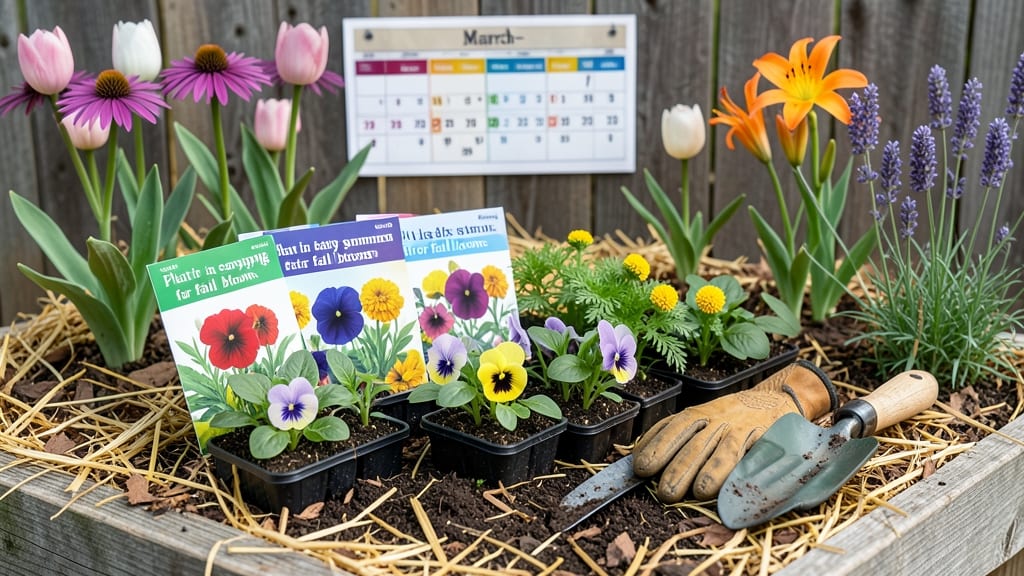
Planting flowers in Zone 6B at the right time means the difference between a garden bursting with color and one that barely makes it past the first frost 🌸.
Timing your flower planting in Zone 6B can mean the difference between vibrant blooms and a disappointing garden—get it wrong, and frost may strike just as your flowers begin to show their colors.
Most gardeners in Zone 6B know the struggle: rush it, and a late frost will wipe out your seedlings. Wait too long, and you miss the prime growing season. The key is knowing your last spring frost date—typically around April 15—and planning accordingly.
In this guide, I’ll break down the exact planting windows for annuals and perennials, share my go-to checklist for adjusting to early or late frosts, and even suggest the best flowers to plant each month for continuous blooms.
Zone 6B frost dates and ideal planting windows for annual flowers
Understanding Zone 6B frost dates is the key to planting your annual flowers at the perfect time. In this zone, the average last spring frost typically occurs around April 15, while the first fall frost usually arrives on October 20.
These dates create a 185-day frost-free growing season—plenty of time for vibrant blooms if you plan wisely.
Annual flowers in Zone 6B fall into two main categories: cool-season bloomers like pansies and snapdragons, and warm-season favorites such as marigolds and zinnias. Each group has its own ideal planting window to ensure success.
Cool-season flowers thrive when planted 4-6 weeks before your last frost, while warm-season varieties need to wait until 2 weeks after the last frost date to avoid chilly soil.
| Plant Type | Planting Window | Frost Risk | Notes |
|---|---|---|---|
| Cool-Season Flowers | March 15 - April 15 | Low (hardy to 25°F) | Pansies, Snapdragons, Sweet Alyssum |
| Warm-Season Flowers | May 1 - June 1 | High (needs 60°F+ soil) | Marigolds, Petunias, Zinnias |
| Fall Planting | August 15 - September 15 | Moderate (6-8 weeks before frost) | Cosmos, Bachelor's Buttons |
For cool-season flowers, I recommend starting seeds indoors in early March or sowing directly in the garden by mid-March. These hardy bloomers can handle light frosts down to 25°F, making them ideal for early spring color.
Pansies and violas, for example, often bloom just weeks after planting, adding instant charm to your garden.
When it comes to warm-season flowers, patience is key. Wait until soil temperatures reach at least 60°F before planting seeds or transplants.
This usually aligns with early May in Zone 6B. Marigolds and zinnias are excellent choices—they thrive in the heat and provide long-lasting color through summer and into early fall.
Don’t forget about fall planting! Many annuals can be sown in late summer for a stunning autumn display. Cosmos and bachelor’s buttons are perfect for this, as they tolerate cooler temperatures and often bloom until the first frost.
Aim to plant these 6-8 weeks before your expected first frost date to give them time to establish and flower.
Local microclimates can shift these dates by a week or two. If you live in a valley or low-lying area, expect frost to arrive earlier. Conversely, higher elevations or urban areas may experience later frosts. Always check your local Almanac’s frost predictions and adjust your planting schedule accordingly.
Protecting tender plants from unexpected frost is crucial. Use row covers or cold frames for early spring plantings, and consider hardy varieties like dusty miller or ornamental kale if you’re concerned about late frosts. These plants add texture and color while being more resilient to temperature swings.
For a continuous bloom throughout the season, I suggest planting in successive waves. Start with cool-season flowers in early spring, then transition to warm-season varieties in May, and finish with fall plantings in August. This staggered approach ensures your garden stays vibrant from March through October.
Monitor your garden closely in the weeks leading up to frost. If a late spring freeze is forecasted, cover delicate plants with lightweight fabric or blankets. Conversely, if an early frost threatens in fall, harvest seeds from your favorite plants to save for next year.
By following these Zone 6B planting windows and adjusting for local conditions, you’ll create a garden that bursts with color season after season. Happy planting! 🌸
Best flowers to plant by month in zone 6B for continuous blooms
Creating a garden that blooms continuously in Zone 6B means planning ahead—each month offers unique opportunities to plant flowers that will thrive in your climate. By following a month-by-month schedule, you can ensure your garden stays vibrant from early spring to late fall.
The key is choosing cold-hardy early bloomers and heat-loving late-season flowers while using succession planting to fill gaps.
Zone 6B typically has a last frost date around April 15 and a first frost around October 20, giving you a 185-day growing season.
This timeline lets you plant cool-season flowers in early spring and warm-season flowers in late spring, then extend the season with fall-blooming perennials. With the right timing, you can enjoy blooms from March through November!
For a year-round garden, integrate perennials like coneflowers, daylilies, and black-eyed Susans alongside annuals. These long-blooming perennials provide structure, while annuals fill gaps with vibrant colors. For example, plant cosmos in May and follow up with zinnias in June to keep your garden lively.
Don’t forget to deadhead spent blooms regularly—this simple task encourages new flowers and extends the blooming season. In Zone 6B, succession planting every 2-3 weeks ensures a steady supply of fresh blooms. With this approach, your garden will stay colorful and thriving from spring to frost! 🌸