
Blooming
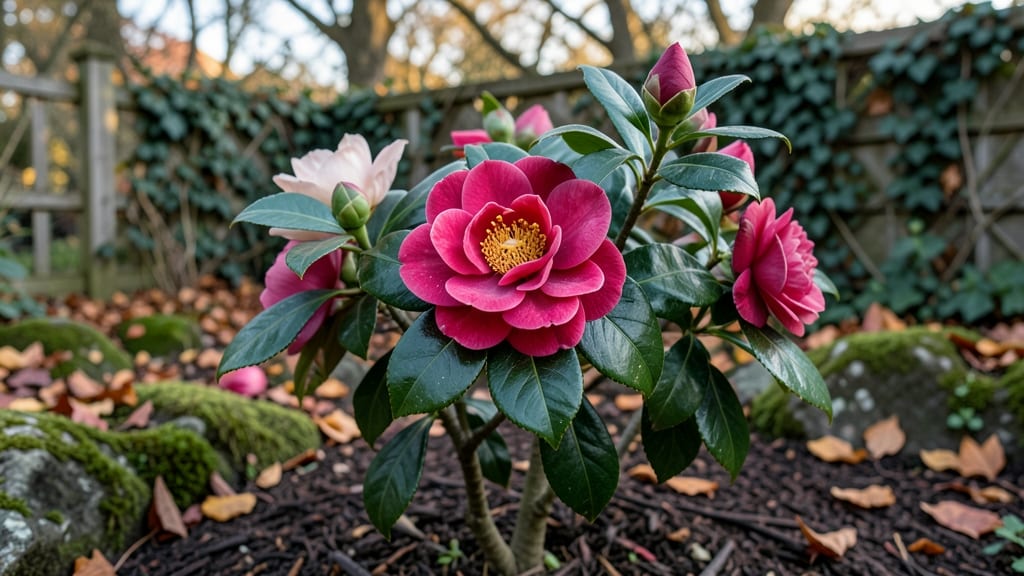
The camellia flower blooming season is a velvety spectacle in late winter to early spring 🌸, with varieties like Camellia sasanqua lighting up gardens as early as November and Camellia japonica waiting until March or April for their grand entrance.
If you’ve ever dreamed of a garden bursting with velvety blooms, timing is everything—these stunning flowers thrive on precision, and missing their window means waiting another year for that showstopping display.
In USDA Zones 7-10, where camellias flourish, the blooming season shifts with the climate. Coastal California’s Zone 10 might see year-round interest, while Zone 7 gardens enjoy a shorter but equally breathtaking show in February and March.
Below, I’ll break down the exact months for each variety, how to extend their season with simple care tricks, and why your location could mean the difference between a sparse few blooms and a lush, show-stopping display.
Camellia blooming seasons by USDA hardiness zones: exact months for peak flowers
Timing your camellia blooms means knowing your USDA hardiness zone—these stunning shrubs thrive in zones 7 through 10, but their peak flowering months shift dramatically across regions.
In Zone 7, expect frost-sensitive Camellia sasanqua varieties to burst into bloom as early as late October, while Camellia japonica typically waits until March. The key? Understanding how microclimates and elevation influence these windows.
For gardeners in Zone 8, the show starts earlier—sasanqua varieties often bloom from September to November, offering a fall display before winter sets in. Meanwhile, japonica varieties hold off until February to April, aligning with traditional spring expectations.
Coastal areas like San Francisco (Zone 10) can enjoy year-round blooms if you mix varieties carefully.
Here’s the exact breakdown of when to expect peak camellia blooms by zone, including regional variations that could shift your timeline by weeks or even months:
| USDA Zone | Camellia Type | Peak Blooming Months | Regional Notes |
|---|---|---|---|
| 7 | Camellia sasanqua | Late October - December | Earlier in coastal areas; later in inland zones. |
| 7 | Camellia japonica | March - April | Frost delays blooms in higher elevations. |
| 8 | Camellia sasanqua | September - November | Longer blooming window in mild winters. |
| 8 | Camellia japonica | February - March | Earlier in southern Zone 8. |
| 9 | Camellia sasanqua | August - October | Overlaps with summer blooms in heat-tolerant varieties. |
| 9 | Camellia japonica | January - February | Coastal areas may see blooms as early as December. |
| 10 | Camellia sasanqua | July - September | Year-round blooms possible with mixed varieties. |
| 10 | Camellia japonica | December - January | No frost means blooms can occur anytime. |
In Zone 9, the sasanqua varieties push blooming into summer, creating a stunning August-to-October display, while japonica varieties still prefer winter-to-early-spring timing. This overlap lets you design a year-round camellia garden by layering varieties.
For example, plant 'Yuletide' (a sasanqua) for holiday cheer and 'Desire' (a japonica) for spring elegance.
If you’re in Zone 10, like coastal California or Florida, you’re in luck—some sasanqua varieties bloom as early as <
How to extend Camellia blooming season: pruning, fertilizing, and light tricks
Camellias reward precise care with longer, more abundant blooms. The secret to extending their flowering season lies in three key strategies: strategic pruning, acid-loving fertilization, and sunlight management. Unlike many plants, camellias bloom on old wood, so timing and technique are critical.
With the right approach, you can transform a single burst of color into a prolonged floral display that lasts weeks longer.
First, let's tackle the pruning paradox. Most gardeners instinctively prune after flowering, but camellias demand a winter pruning window—right after their blooms fade but before new growth begins. This timing preserves next year's flower buds while shaping your plant.
Combine this with monthly fertilization using acid-loving formulas and morning sunlight placement, and you'll create ideal conditions for extended blooming.
For Camellia sasanqua, which blooms in fall and winter, focus on light pruning in early spring to remove only crossing branches. These varieties are more sun-tolerant but still benefit from morning sunlight.
In contrast, Camellia japonica—the classic spring bloomer—needs gentler pruning to avoid removing next year's buds hidden in the old wood.
One common misstep is over-fertilizing in summer, which forces new growth that won't harden off before frost. Instead, pause fertilizing in July and resume in September for fall-blooming varieties.
Pair this with consistent moisture—camellias hate drought stress, which causes buds to drop prematurely. A drip irrigation system set to morning watering solves this perfectly.
To maximize blooms, test your soil pH annually—camellias refuse to flower in alkaline soil. If your pH is above 6.0, amend with elemental sulfur or peat moss.
Pair this with regular pruning to improve air circulation, reducing pest pressure from scale insects and aphids, which sap energy meant for flowering. With these tricks, your camellias could bloom 2-3 weeks longer than average!