
Flowers
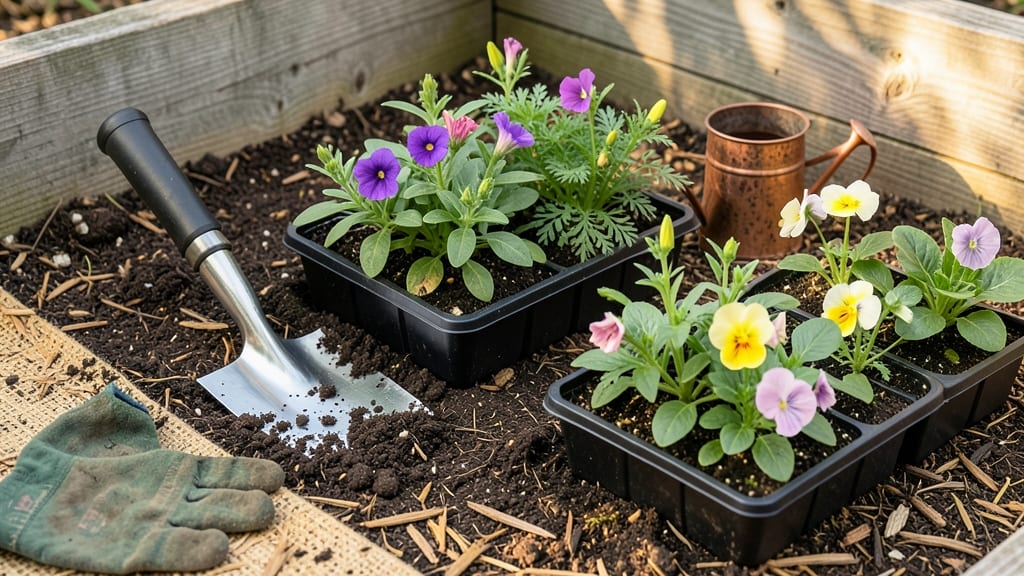
Planting flowers in Zone 7 at the right time means the difference between a garden that thrives and one that fades before it even blooms.
You’ve probably stared at seed packets wondering, "Why isn’t my garden bursting with color?"—the answer often lies in timing. In Zone 7, cool-season flowers like pansies and snapdragons need to hit the soil by early spring, while warm-season favorites like zinnias and marigolds wait until after the last frost.
But here’s the catch: Zone 7’s climate varies wildly from Atlanta’s humidity to the Piedmont’s cooler nights. A misstep—planting too early and risking frost, or too late and missing peak blooms—can leave your garden underwhelming.
I’ll break down the exact months for annuals, perennials, and bulbs, plus how to adjust for your local microclimate.
By the end, you’ll know not just when to plant, but how to prep your soil, choose the right varieties, and avoid the top 3 mistakes that kill blooms before they begin.
Zone 7 flower planting schedule by season: exact months for annuals and perennials
Mastering the Zone 7 planting schedule ensures your flowers thrive year-round. Unlike cooler zones, Zone 7’s 180 frost-free days allow for both spring and fall planting, while summer’s heat demands precise timing for warm-season blooms.
Whether you're in Atlanta’s humidity, Richmond’s coastal breezes, or Raleigh’s inland climate, these exact months will maximize your garden’s potential.
Cool-season flowers like pansies and snapdragons love Zone 7’s mild winters, while zinnias and marigolds thrive in summer’s warmth. Perennials, however, often need fall planting to establish roots before winter.
I’ll break down the best months for each type, including soil temperature triggers and frost date adjustments for your specific location.
📅 Key Dates for Zone 7:
- Last frost date: Around April 15 (varies by 1–2 weeks regionally)
- First frost date: Around October 15
- Soil temperature threshold: 60°F+ for warm-season seeds
For spring planting, start cool-season annuals like pansies in March—they’ll bloom through winter. Wait until after your last frost date (April 15) to plant warm-season seeds, but use a soil thermometer to confirm temperatures hit 60°F+.
In Atlanta’s heat, this might be late April, while coastal Richmond could be a week earlier.
Summer is all about heat-loving annuals. Plant marigolds and zinnias in May for June–August blooms, and succession-plant every 2–3 weeks for continuous color. Petunias and geraniums also thrive in summer but need afternoon shade in Raleigh’s intense sun. Mulch heavily to retain moisture and prevent soil crusting.
Fall planting is my favorite—September and October offer perfect conditions for perennials and cool-season annuals. Plant coneflowers and black-eyed Susans in early September to establish roots before winter.
How to adjust planting times for Zone 7’s microclimates and weather quirks
Zone 7’s diverse microclimates can throw off even the most reliable planting schedules. Urban heat islands in cities like Atlanta bake 5–10°F hotter than rural areas, while coastal zones near Norfolk stay cooler and damper.
High-altitude pockets in the Blue Ridge Mountains may experience frost weeks after inland regions. These variations mean generic frost dates won’t cut it—you’ll need a custom approach.
Start by checking your local frost-free date, which can vary by 2–4 weeks even within the same county. For example, Richmond typically sees its last frost around March 20, while nearby Charlottesville might wait until April 5.
Use a soil thermometer to confirm when temperatures hit the 60°F threshold most seeds need to germinate—this is often 2–3 weeks after the official frost date.
🌱 Zone 7 Microclimate Adjustments for Flower Planting
- Urban Heat Islands: Delay warm-season plants (e.g., marigolds, zinnias) by 1–2 weeks to avoid heat stress. Start seeds indoors 4–6 weeks earlier than rural guidelines.
- Coastal Areas: Plant cool-season flowers (e.g., pansies, snapdragons) 2 weeks earlier than inland zones. Use black plastic mulch to warm soil faster in spring.
- High-Altitude Zones: Extend the growing season by 3–4 weeks with row covers. Plant tender perennials (e.g., dahlias, cannas) after May 15 to avoid late frosts.
- Soil Thermometer Rule: Wait until soil reaches 60°F for warm-season seeds and 50°F for cool-season varieties. Check mid-morning for accuracy.
- Seed Packet Guidelines: Adjust timing by ±1 week based on your microclimate. For example, if your area runs 10°F warmer than the packet’s average, plant 1 week later.
Don’t rely solely on seed packet dates—they’re based on average conditions, not your specific yard. For instance, if your garden sits in a south-facing slope, it may warm up 10–14 days earlier than a north-facing bed.
Test your soil’s warmth by placing a thermometer in a shaded spot (under mulch) and a sunny spot—you’ll often see a 15°F difference between the two.
For bulbs like tulips and daffodils, plant them 6–8 weeks before your first frost date, but add 2 extra weeks if your area has a history of late frosts.
Coastal Zone 7 gardens (e.g., Wilmington, NC) might need bulbs in the ground by October 15, while inland areas can wait until November 1.
Use a planting calendar that accounts for your local chill hours—some flowers (like peony) need 300–500 hours below 45°F to bloom reliably.
If you’re unsure about your microclimate’s quirks, try the "test plant" method: sow a fast-growing annual like radishes in early March. If they thrive, your warm-season flowers (e.g., petunias, geraniums) are safe to plant by mid-April.
If the radishes bolt or struggle, wait another 2 weeks before planting heat-lovers. This hands-on approach beats guessing based on zip code averages.
Pro tip: Keep a gardening journal for 2–3 years to track your local frost dates, soil warmth, and bloom times. Note when your zinnias finally sprout or your cosmos start flowering—these records will help you fine-tune next year’s schedule with precision.
With these adjustments, your Zone 7 garden will bloom like clockwork, regardless of whether you’re in a city heat trap or a mountain valley. 🌸