
Flowers
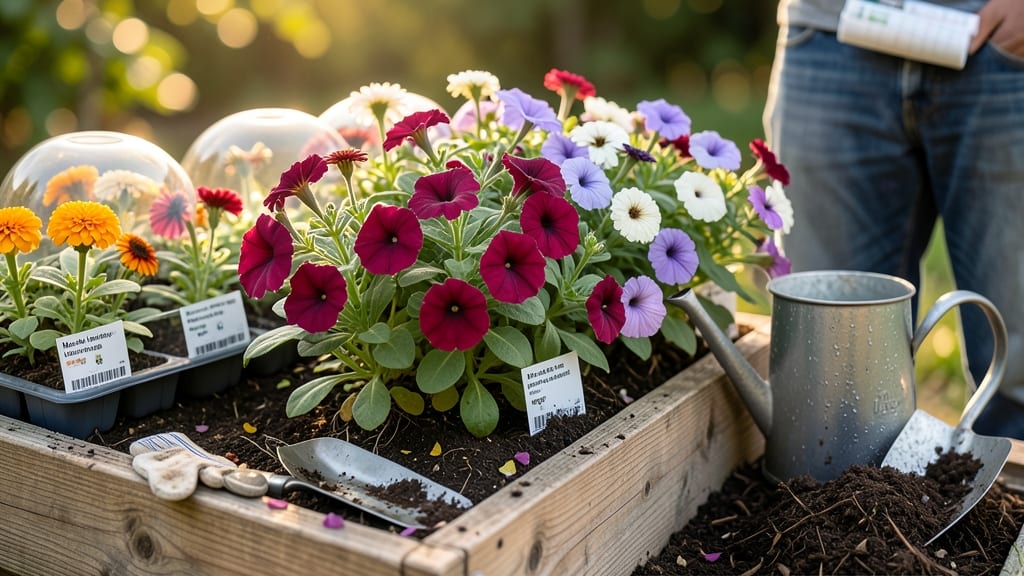
It is safe to plant flowers in Ohio once the average last frost date has passed — typically around mid-April for most of the state, but timing varies by zone.
Ohio’s unpredictable spring weather can leave gardeners guessing—plant too early and risk frost damage, too late and miss the growing season. Knowing the exact frost-free dates by your Ohio zone is the key to timing your flower planting perfectly.
For Zone 6a (like much of central Ohio), soil temperatures should also reach at least 50°F before setting out 🌸 seedlings or transplants. This ensures roots establish quickly and avoids stunted growth.
Below, I break down Ohio’s frost-free dates by region, share cold-hardy flower varieties to plant early, and explain how to adjust for late frosts or microclimates. You’ll leave here with a clear planting timeline tailored to your corner of the Buckeye State.
Ohio frost-free dates by USDA planting zones (2024 guide)
Ohio spans USDA Zones 4-7, meaning frost-free dates vary dramatically across the state. In Zone 4 (northeast Ohio), the average last frost arrives April 25, while Zone 7 (southwest Ohio) typically sees its final frost by April 10.
These dates determine whether your annual flowers will survive or your perennials will thrive. Historical data shows a 10-day variance year-to-year, so flexibility is key.
For annual flowers, wait until 2 weeks after the average last frost date to plant heat-lovers like marigolds or petunias. Cold-hardy perennials like coneflowers or black-eyed Susans can often handle light frosts after planting, but soil temperatures below 50°F will stunt growth.
Use these zone-specific guidelines to align your planting with Ohio’s unpredictable spring.
🌱
In Zone 4, where winters are harshest, I recommend starting cold frames or using frost cloths to extend your planting window by 2-3 weeks. For example, pansies and snapdragons can handle light frosts and often bloom earlier than heat-loving annuals.
Meanwhile, Zone 7 gardeners can plant marigolds as early as March 20 if they use row covers.
For perennial flowers, timing depends on whether you’re planting bare-root or container-grown plants. Bare-root perennials (like daylilies) should go in the ground 4-6 weeks before the last frost, while container-grown perennials can wait until 2 weeks after.
In Zone 6a, that means March 15 for bare-root and April 28 for containers.
Ohio’s microclimates add another layer of complexity. Urban areas like Columbus (Zone 6a) often experience later frosts than rural southwest Ohio (Zone 7a). To adjust, I track local weather station data from the Ohio Department of Agriculture or use apps like Old Farmer’s Almanac for real-time updates.
Even a 5-degree difference can delay frost by 3-5 days.
How to adjust planting dates for Ohio’s unpredictable weather patterns
Ohio’s spring weather can swing from unseasonably warm one day to hard frosts the next, leaving gardeners scrambling to adjust planting plans. The key to success lies in flexibility—using tools like frost cloths and microclimate awareness to extend your planting window safely.
Even if the calendar says "spring," your local conditions might tell a different story.
Urban areas like Columbus or Cleveland often experience earlier warming than rural zones, thanks to the "urban heat island" effect. Meanwhile, Appalachian regions can linger in frost longer. Understanding these variations helps you avoid costly mistakes when planting tender annuals like marigolds or petunias.
⚠️ When Is It Really Safe to Plant?
Never plant outdoors before your average last frost date (typically April 15 in Zone 6a). For late-March/early-April plantings, use this risk-assessment checklist:
- ☑️ Check soil temperature (use a thermometer—50°F+ is ideal)
- ☑️ Monitor 7-day forecasts for frost warnings
- ☑️ Use frost cloth if nights dip below 32°F
- ☑️ Choose cold-hardy varieties (e.g., pansies, snapdragons)
Pro Tip: Start hardy perennials 4–6 weeks before last frost—they’ll establish roots before tender shoots emerge.
One of my favorite tricks is using frost cloths to create a mini greenhouse effect. These lightweight fabrics raise soil temperatures by 2–8°F and protect seedlings from light frosts (down to 28°F).
For example, I planted calendula under frost cloth in early April—it thrived even when overnight temps dropped to 30°F.
Microclimates play a huge role in Ohio. A south-facing slope warms up faster than a north-facing yard, while paved urban areas retain heat longer. Test your microclimate by placing a thermometer at plant height for 3 days.
If it’s 10°F warmer than the official forecast, you can push planting dates 1–2 weeks earlier for heat-loving flowers like zinnias.
For late-March plantings, focus on cold-hardy annuals that tolerate brief frosts. My top picks include snapdragons (Zone 7), stock flowers (Zone 6), and sweet alyssum (Zone 5). These varieties can handle 28–32°F temps, giving you a 3–4 week head start before risking frost damage.
Remember: Patience pays off. Rushing to plant tender flowers like impatiens before May risks losing your investment. Instead, use the extra time to prepare soil, harden off seedlings, and plan succession plantings for a continuous bloom season.
Your garden will thank you with vibrant, healthy flowers all summer long! 🌸