
Flowers
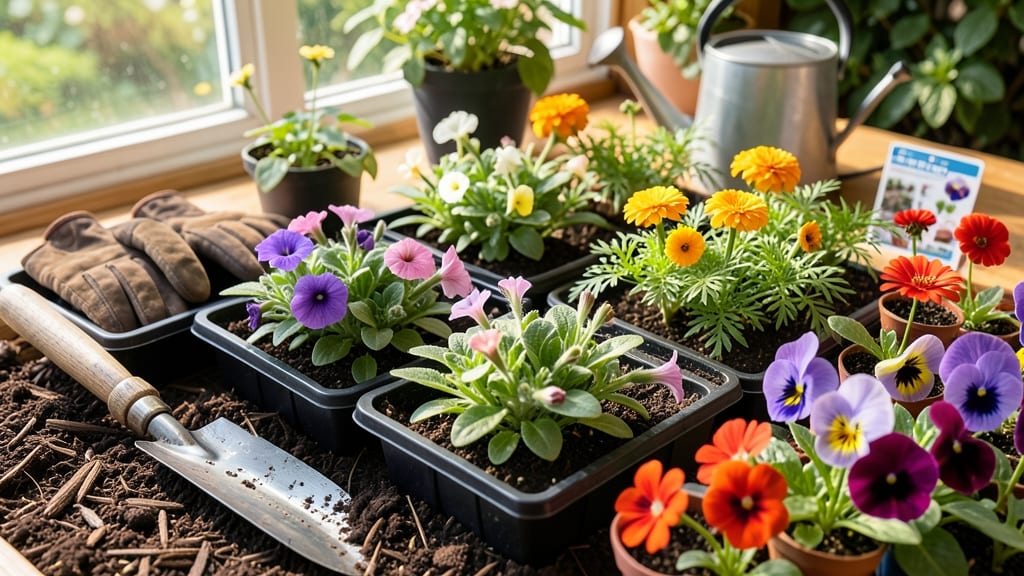
Planting flowers in Philadelphia at the right time means the difference between a garden that thrives and one that struggles—especially in Zone 7a’s unpredictable spring and summer shifts.
You’ve probably watched your favorite annuals wilt under a late frost or seen perennials bolt in the heat, wondering if there’s a better way to time it all. The truth? Philadelphia’s climate demands precision, but with the right schedule, you can enjoy vibrant blooms from early spring through fall.
This guide breaks down the exact months to plant annuals, perennials, and bulbs in Philadelphia, accounting for frost dates, heat tolerance, and microclimates. No more guessing—just science-backed windows for year-round success.
You’ll also discover how to adjust for Philadelphia’s urban heat islands, the best varieties for each season, and where to find local seeds and flowers that thrive in your zone.
Philadelphia flower planting calendar by season: exact months for annuals, perennials, and bulbs
Timing your flower planting in Philadelphia’s USDA Zone 6B means accounting for average last frost dates (April 15) and first frost dates (November 15). The city’s humid summers and unpredictable springs demand precise scheduling to ensure your annuals, perennials, and bulbs thrive year-round.
Whether you’re planting petunias for summer color or tulips for spring blooms, these exact months will maximize your garden’s potential.
Philadelphia’s microclimates—from urban heat islands to river-influenced areas—can shift planting windows by 1-2 weeks. Always monitor local forecasts and adjust for soil temperature (ideal: 60°F+ for seeds, 50°F+ for bulbs). Below is your season-by-season planting guide, tailored to Philadelphia’s unique growing conditions.
Spring planting in Philadelphia kicks off in March with hardy perennials like coneflowers (Echinacea) and black-eyed Susans (Rudbeckia). These drought-tolerant plants thrive when planted in well-draining soil after the last frost date (April 15).
For bulbs like tulips, fall planting (October-November) yields larger, more vibrant blooms the following spring.
Summer is the time for heat-loving annuals like zinnias and marigolds, which should be sown in May-June after soil temperatures exceed 60°F. Use mulch to conserve moisture and shade cloth for seedlings during Philadelphia’s intense July heat.
Container gardening is ideal for summer blooms, allowing you to move plants to shadier spots as needed.
Fall planting in September-October focuses on perennials for next spring and fall-blooming bulbs like crocus. The 6-week window before first frost (November 15) gives roots time to establish before winter. Mums (Chrysanthemums) are perfect for fall color, but plant them in partial shade to prevent bolting in summer heat.
Winter isn’t just for dormant plants—cold-hardy perennials like hellbore (Lenten rose) and winter aconite add year-round interest. These plants thrive in Zone 6B winters and often bloom in late winter or early spring. Use mulch (3-4 inches) to protect roots from freeze-thaw cycles
How to adjust planting times for Philadelphia’s microclimates and unpredictable weather
Philadelphia’s urban landscape creates microclimates that can shift planting windows by weeks. The Schuylkill Expressway and Delaware River create heat pockets, while Fairmount Park stays cooler. These variations mean your neighbor’s successful zinnia patch might fail in your sun-baked sidewalk garden.
Understanding these patterns helps you time plantings precisely for your specific spot.
Start by noting local frost signs like forsythia blooming (around mid-March) or lilac buds swelling (late April). These natural indicators often precede official frost dates by 1-2 weeks.
For container gardeners, these shifts matter even more—potted plants warm up faster in urban heat, requiring earlier hardening off than in-ground plants.
⚠️ callout warning ⚠️
🌡️ Philadelphia’s False Spring Traps
Don’t trust early warm spells—Philadelphia’s average last frost date is April 15, but late frosts can hit until May 10. Heat-loving annuals like marigolds or cosmos planted too early will bolt in sudden cold. Wait until soil temps reach 60°F (use a soil thermometer) or after forsythia fully drops leaves.
🔹 Urban tip: South-facing walls warm 5–10°F faster than open gardens. Plant heat-sensitive varieties (like petunias) 2 weeks later near brick buildings.
For extended seasons, choose cold-hardy annuals like pansies or snapdragons, which tolerate light frosts down to 25°F. These let you plant in early September for fall color. Pair them with mulch (straw or shredded leaves) to insulate roots during October’s unpredictable drops.
In containers, use black plastic pots—they absorb heat during the day and radiate warmth at night.
Watch for river effects near the Schuylkill or Delaware. Areas within ½ mile of water stay 3–5°F cooler in summer and warmer in winter due to thermal lag. Adjust by planting heat-sensitive bulbs (like tulips) 2 weeks earlier in these zones.
For drought-prone spots, group plants with similar water needs—like lavender with rosemary—to reduce waste.
Use row covers or cold frames to push planting windows by 3–4 weeks. I’ve started calendula and nasturtiums under floating row covers in late March, then removed them after average last frost.
For late-season blooms, try swiss chard or ornamental kale—they thrive in cool fall temps and add color until December.
Finally, track your garden’s performance yearly. Note which varieties thrive in your microclimate and adjust future plantings accordingly. My sunflowers bolted in 2022’s early heatwave, so now I plant them in partial shade near my east-facing fence. Small tweaks like these turn Philadelphia’s unpredictability into an advantage.