
Flowers
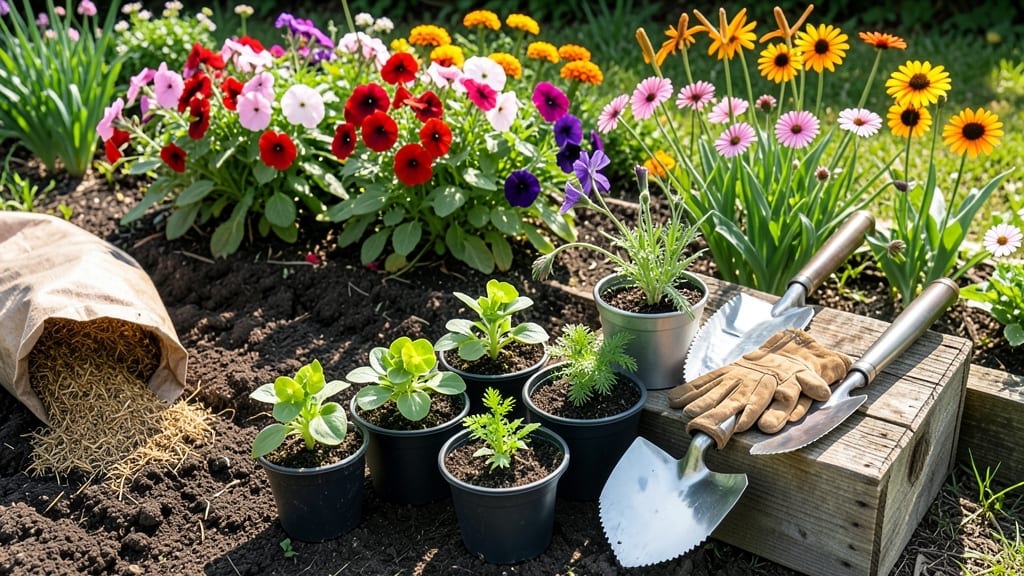
Planting flowers in Georgia at the right time ensures vibrant blooms all season long 🌸 — and timing matters more than you might think.
Georgia’s warm climate and diverse USDA zones (7a–9a) mean your flower planting schedule can make or break vibrant blooms—plant too early, and frost strikes; too late, and summer heat wipes them out before they shine.
Whether you’re in the Piedmont or coastal Georgia, knowing the exact months for spring and fall planting—plus how to prep your soil—will give your flowers the best start for peak blooms.
Below, I’ll break down the ideal planting windows by zone, the best flowers for Georgia’s seasons, and pro tips to keep your garden thriving year-round.
Georgia flower planting calendar by USDA zone (7a–8b)
Georgia’s USDA zones 7a–8b create a unique gardening challenge—North Georgia’s earlier frosts (as late as March 15) demand different timing than South Georgia’s milder winters (frost-free until November 15).
Getting your flower planting schedule right means the difference between vibrant summer blooms and wilted disappointment. Whether you're growing annuals, perennials, or spring bulbs, timing is everything.
Most gardeners in Georgia follow a simple rule: plant cool-season flowers in fall and warm-season flowers in spring. But with Georgia’s variable microclimates, even this rule needs tweaking.
Coastal areas (like Savannah) can plant tropical annuals year-round, while mountain regions (like Dahlonega) must wait until after April 15 to avoid frost damage. Let’s break down the exact monthly planting windows for your zone.
🌱 PRO TIP: Use your local Almanac frost dates as your guide—these are more reliable than USDA averages for Georgia. For example, Athens (7b) typically sees its last frost around March 20, while Valdosta (8a) may only see light frosts in January. Adjust your schedule accordingly!
| Month | Zone 7a (North GA) | Zone 7b (Central GA) | Zone 8a (South GA) | Zone 8b (Coastal GA) |
|---|---|---|---|---|
| January | Bulbs (tulips, daffodils) | Bulbs (tulips, daffodils) | Bulbs (late varieties) | Year-round tropicals |
| February | Pansies, snapdragons | Pansies, violas | Calendulas, sweet peas | Marigolds, zinnias |
| March | After last frost: petunias, geraniums | After March 15: impatiens, begonias | After March 1: coleus, fuchsias | Year-round: hibiscus, bougainvillea |
| April | All warm-season annuals | All warm-season annuals | All warm-season annuals | All warm-season annuals |
| May | Perennials (coneflowers, black-eyed Susans) |
Best flowers to plant in Georgia by season (cool vs. warm season)Georgia’s spring and fall seasons offer the perfect window for planting cool-season flowers that thrive in milder temperatures, while summer heat-tolerant varieties shine when planted in late spring. Understanding these seasonal shifts ensures your garden stays vibrant year-round. For USDA zones 7a–8b, timing is everything—cool-season flowers need to establish roots before summer’s intensity, while warm-season blooms should avoid late spring’s lingering frosts. Spring is ideal for cool-season annuals like pansies and snapdragons, which handle Georgia’s March–April temperatures beautifully. Meanwhile, fall planting (September–October) lets you enjoy blooms like chrysanthemums and asters before winter sets in. Summer demands heat-resistant picks like zinnias and sunflowers, which thrive in Georgia’s 90°F+ afternoons. 🌱 Georgia Flower Planting Guide by Season
Pro Tip: Always check your local frost dates—North Georgia’s USDA 7a freezes earlier than South Georgia’s 8b! For spring planting, focus on pansies and sweet peas, which handle Georgia’s 50–70°F days beautifully. Plant seeds ¼ inch deep and space them 6–12 inches apart to prevent overcrowding. In summer, zinnias and sunflowers dominate with their bold colors—bury seeds ½ inch deep and give them 18 inches of space to sprawl. Fall is your last chance to plant chrysanthemums and asters, which thrive in 60–75°F temperatures. These cool-season workhorses need ½ inch of soil coverage and 8–12 inches of spacing. Mulch around them to protect roots as temperatures dip. Container gardening in Georgia’s warmer zones (like 8a–8b) lets you plant annuals year-round, but always monitor soil moisture—summer heat dries containers quickly. Don’t forget perennials like black-eyed Susans, which establish roots in spring or fall and reward you with years of blooms. Plant them 12–18 inches apart and water deeply after planting. Whether you’re a beginner or seasoned gardener, matching flowers to Georgia’s seasonal shifts ensures a garden that’s always in bloom. |