
Flowers
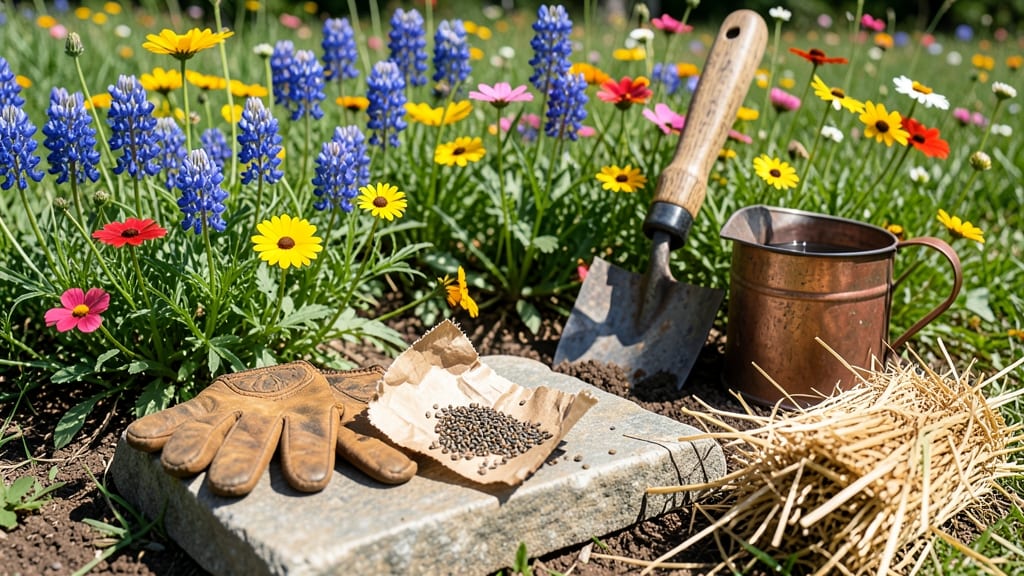
Planting wildflower seeds in Texas at the right time ensures vibrant blooms year-round, whether you're in the humid East or arid West.
Picture this: your backyard transformed into a riot of color—bluebonnets swaying in the breeze, black-eyed Susans nodding in the sun. But miss the planting window, and you might end up with patchy blooms or no flowers at all.
Texas's diverse climate means timing varies by region, from early fall in North Texas to late winter in the South.
Most wildflowers thrive when planted in fall (September–November) or early spring (March–April), but native species like bluebonnets need that cool season to germinate properly. The key is understanding your USDA zone—6a–10b—and adjusting for rain patterns, soil prep, and even frost dates that shift from north to south.
In this guide, I’ll break down the exact planting windows for each Texas region, share soil prep tips to boost germination, and reveal the top 5 wildflowers that thrive with minimal fuss. Ready to turn your landscape into a pollinator paradise?
Texas wildflower planting calendar by USDA Zone: best months for each region
Texas's diverse climate—from the humid East to arid West—creates unique planting windows for wildflowers. USDA Zones 7-10 each have ideal times to sow seeds for vibrant blooms, with fall planting often outperforming spring efforts.
Native species like bluebonnets and Indian paintbrush thrive when planted at the right moment, avoiding Texas's harsh summers or unpredictable rains.
Most Texas wildflowers prefer cool-season germination, which means late summer to early fall (August–November) is prime time. This timing lets seeds establish roots before winter rains, while spring planting (March–April) works for heat-tolerant varieties.
Drought-prone areas like West Texas benefit from fall planting to conserve moisture, while East Texas can extend windows slightly due to milder winters.
Why fall? Seeds sown in September–October germinate with autumn rains, grow through winter, and burst into color by spring. Spring planting risks heat stress before roots establish. Adjust for your USDA Zone: Zone 7 (North Texas) plants in late August–October, while Zone 10 (South Texas) can start as early as July.
| USDA Zone | Best Planting Window | Key Species | Notes |
|---|---|---|---|
| Zone 7 (North Texas) | Late August–October | Bluebonnets, Black-eyed Susans, Coreopsis | Plant after 90°F+ heat breaks; mulch to retain moisture. |
| Zone 8 (Central Texas) | September–November | Indian Paintbrush, Winecups, Gaillardia | Ideal for fall/winter blooms; avoid spring planting in drought. |
| Zone 9 (South Texas) | July–September | Mexican Feathergrass, Lantana, Zinnias | Heat-tolerant; plant before summer monsoons (June–Sept). |
| Zone 10 (Deep South Texas) | June–August | Blanketflower, Salvia, Portulaca | Year-round growth; avoid winter planting (frost risk). |
For Zone 7–8 gardeners, September is the sweet spot: seeds germinate with cool evenings and fall rains, while avoiding summer's scorching heat. In Zone 9–10, July–August planting aligns with monsoon season, providing natural irrigation.
Pro tip: Scatter seeds lightly—Texas wildflowers thrive in poor soil but need good sun exposure (6+ hours daily).
Adjust for drought conditions: In West Texas, plant earlier (August) to capitalize on autumn moisture. In East Texas, November plantings can extend bloom cycles into early spring.
Always water gently after sowing to prevent seed washout—a common Texas pitfall. Mulch with straw or pine needles to lock in moisture and suppress weeds.
Spring planting (March–April) works for heat-loving annuals like zinnias or sunflowers, but most perennials (bluebonnets) prefer fall. If you miss fall, stratify seeds (mix with sand, refrigerate 2 weeks) to mimic winter conditions and trick seeds into germinating in spring. This mimics Texas's natural dormancy cycles.
Timing isn't just about months—it's about weather cues. Plant when soil temps drop below 90°F (use a soil thermometer if unsure). In North Texas, aim for after Labor Day; in South Texas, before July's heat peaks.
Overwatering is deadly—Texas wildflowers evolved to thrive on occasional rains, not daily soaking.
Don’t overlook winter planting in Zone 9–10. December–January sowings can yield spring blooms before summer heat arrives. For Zone 7–8, winter is dormant season—focus on clearing debris and prepping soil for spring.
Always test soil moisture before watering: stick your finger 1 inch deep; if dry, water lightly.
Local native seed mixes are your best bet—they’re adapted to Texas's climate extremes. Avoid cheap blends with non-native species that may fail in drought or heat. Pair wildflowers with grasses like buffalo grass to reduce water needs and improve pollinator habitat.
How to choose the right wildflower mix for Texas seasons (and avoid common mistakes)
Selecting the perfect wildflower mix for Texas isn't just about grabbing the prettiest packet—it's about matching your local climate and soil type. Texas spans from USDA Zone 7 in the north to Zone 10b in the south, creating wildly different growing conditions.
A mix that thrives in East Texas humidity may struggle in West Texas droughts, so choosing wisely is key to vibrant blooms all season.
Start by identifying your primary bloom season. Texas wildflowers generally fall into two categories: spring bloomers like bluebonnets and winter annuals that pop in March-April, or fall bloomers like coreopsis and salvias that shine from September-November.
Mixes labeled "spring" or "fall" give you that exact timing, but some blends offer year-round color with staggered blooms.
Your soil type plays a surprisingly big role. Clay-heavy soils in East Texas hold moisture longer, while sandy soils in West Texas drain quickly. Look for mixes with native Texas species—they're already adapted to your local conditions.
For example, black-eyed Susans handle both clay and sandy soils, while Indian paintbrush prefers well-draining areas.
⚠️ callout warning
Planting wildflower seeds at the wrong time leads to seed washout or dormancy. Most Texas wildflowers need 60-90 days of cool weather to germinate—so fall planting (September-November) is ideal. Spring planting (March-April) works for heat-loving species, but avoid planting in peak summer heat (June-August) when seeds dry out instantly.
🌱 Pro Tip: If you must plant in summer, use a light mulch (straw or pine needles) to retain moisture and shade seeds until rains return.
Don't overlook rainfall patterns in your area. In North Texas, where winters can be chilly, choose mixes with cold-hardy species like bluebonnets. In South Texas, where humidity reigns, opt for drought-tolerant varieties like blanket flower.
Always check the seed packet for watering requirements—some mixes need consistent moisture to germinate, while others thrive with minimal watering once established.
Prep your soil properly to avoid common mistakes. Loosen the top 2-3 inches of soil with a rake or hoe to create a seed-friendly surface. For tough seeds like bluebonnets, try scarification—lightly nicking the seed coat with sandpaper to help water penetrate.
After scattering seeds, lightly rake them into the soil (no deeper than 1/4 inch) and water gently to settle them without washing them away.
Finally, resist the urge to over-fertilize. Most Texas wildflowers are low-maintenance and thrive in poor soil. A light application of compost before planting provides enough nutrients. Once established, these hardy plants often self-seed, creating stunning displays year after year with zero intervention.