
Flowers
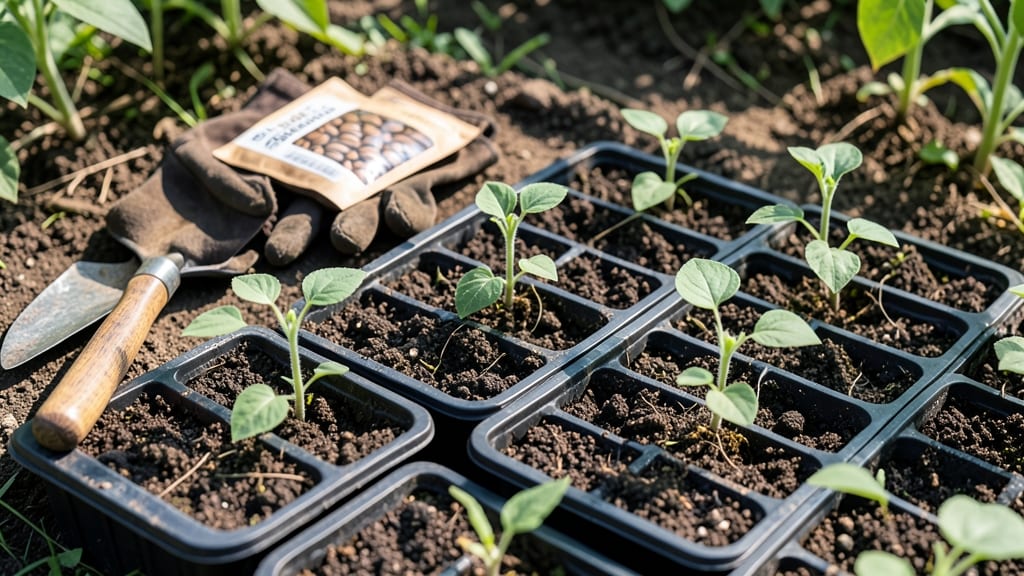
Planting sunflowers in East Texas after your last frost — around mid-March — gives them the long, hot growing season they need to reach their full towering height.
Picture this: you’ve waited all winter for those bright blooms to light up your garden, only to watch your sunflowers 🌻 bolt too early or wilt under the summer heat.
Timing matters more than you’d think, especially in Zone 8A where late frosts and sudden heat spikes can throw off your plans.
East Texas’s climate is forgiving once you know the tricks, like choosing heat-tolerant varieties or adjusting your planting schedule for soil warmth. Below, I’ll walk you through the exact month-by-month window for planting sunflowers, plus how to prepare your soil and pick the right varieties for maximum bloom time.
Whether you’re a first-time gardener or a seasoned grower, these tips will help you avoid common pitfalls and enjoy sunflowers that stretch toward the sky—just like they’re supposed to.
Best planting timeline for East Texas sunflowers by variety and season
East Texas’ long growing season and hot summers create perfect conditions for sunflowers, but timing is key. The average last frost date in USDA Zones 8A/8B is around March 15, while first frosts arrive in mid-November.
This means you’ve got a 9-month window to grow sunflowers—if you plant them right.
Most gardeners focus on spring planting for annual varieties, but fall planting is also possible for hardier types. The challenge? East Texas’ heat spikes and clay-heavy soil can stress young plants.
I’ll break down the best month-by-month schedule for both annual and perennial sunflowers, including soil temperature thresholds and adjustments for your local microclimate.
Pro Tip: Test your soil temperature with a soil thermometer—sunflowers thrive when soil stays between 60°F and 90°F. If temperatures dip below 50°F, germination slows dramatically.
For spring planting, aim to sow seeds 4-6 weeks before your last frost date. In East Texas, that’s typically mid-February to early April. Start with direct sowing—sunflowers hate transplanting and develop circulatory issues when roots disturb.
Plant seeds 1 inch deep and 6 inches apart, thinning to 12-18 inches as they grow.
If you’re growing tall varieties like ‘Russian Giant’ or ‘Mammoth’, give them space to sprawl. These giants can reach 12-14 feet and need sturdy support in East Texas’ humid winds. Stake them early or plant near fences/trees for natural support.
For fall planting, focus on late August to early September. This gives sunflowers enough time to germinate and mature before first frost (around November 15). Choose fast-maturing varieties like ‘Teddy Bear’ (50-60 days) or ‘Autumn Beauty’ (60-70 days) for fall success.
Mulch heavily to insulate roots and retain moisture during East Texas’ hot-to-cold swings.
One critical adjustment for East Texas gardeners: avoid planting after mid-May. The intense summer heat (often 95°F+) causes bolting—where plants shoot up stems but fail to bloom.
If you must plant late, opt for shade-tolerant dwarf varieties like ‘Sunspot’ or ‘Little Becka’ and provide afternoon shade with row covers or temporary shade cloth.
Finally, soil prep makes all the difference in East Texas’ clay-heavy soil. Amend beds with compost and sand to improve drainage, and mulch with straw to lock in moisture. Sunflowers are drought-tolerant once established, but young plants need consistent watering to prevent wilting during heat spikes.
With this timeline, you’ll enjoy towering sunflowers from June through October, with some fall varieties lasting into November. Happy planting! 🌻
How to extend your sunflower season in East Texas: tips for avoiding common mistakes
East Texas’ clay-heavy soil and unpredictable rainfall can turn your sunflower dreams into leggy, weak stems or early bolting. The key to extending your sunflower season lies in smart soil prep, precise watering, and strategic mulching. These tactics help your plants thrive despite the region’s challenges.
Start by testing your soil pH—sunflowers prefer 6.0 to 7.5. Amend heavy clay with compost or sand to improve drainage. Poor drainage is the #1 reason sunflowers struggle in East Texas, leading to root rot and stunted growth.
⚠️ callout warning ⚠️
Mulch with straw or pine needles to regulate soil temperature and retain moisture. This is especially critical during East Texas’ hot summers when evaporation rates skyrocket. A 2-3 inch layer keeps roots cool and reduces the need for frequent watering.
Watch for bolting signs—tall, thin stems with no buds. This happens when sunflowers sense cool nights or drought stress. If you notice it, fertilize lightly with a low-nitrogen formula (like 5-10-10) to encourage bushier growth. Avoid high-nitrogen feeds, which promote leafy growth over blooms.
For fall planting, sow seeds in late August for a second harvest. Choose short-day varieties like ‘Autumn Beauty’ that bloom reliably in East Texas’ shorter autumn days. Just be prepared to protect young plants from early November frosts with row covers.
Finally, rotate your planting spots yearly to prevent soil-borne diseases. Sunflowers are heavy feeders, and repeated planting in the same area depletes nutrients faster than most gardeners realize. Pair them with legumes or nitrogen-fixing plants to naturally replenish the soil.