
Flowers
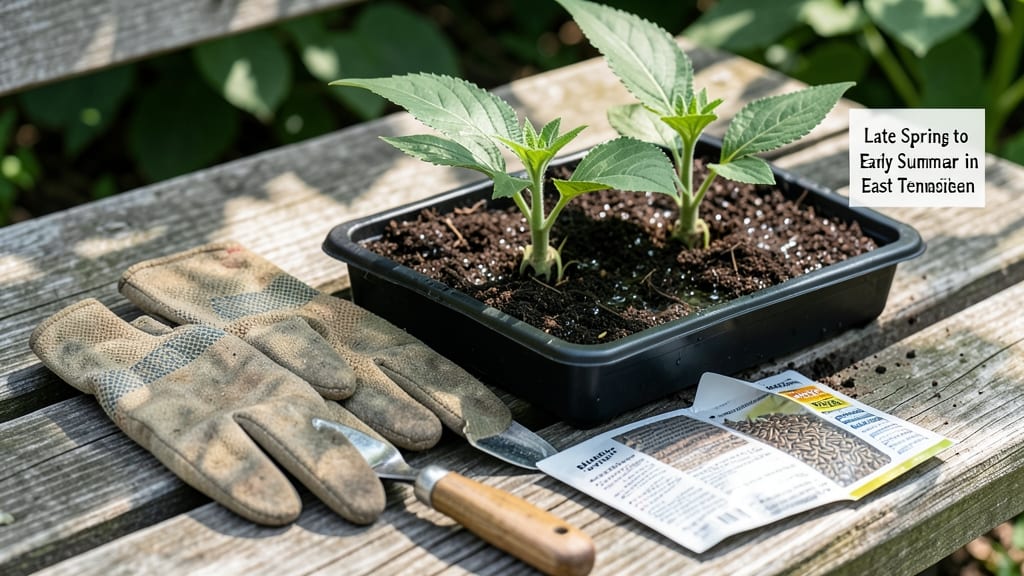
Planting sunflowers in East Tennessee after your last frost date — ideally between April 15 and June 1 — ensures your 🌻 blooms reach their full towering potential.
Sunflowers bring vibrant color and joy to East Tennessee gardens—but planting them at the wrong time can mean stunted growth or missed blooms entirely. Timing is everything, and understanding your local frost dates is the key to growing sunflowers that thrive from seed to showy center.
In Zone 6a, where temperatures can still dip unexpectedly, waiting until the soil warms to at least 50°F makes all the difference. Early plantings risk frost damage, while late starts may leave you scrambling to enjoy summer blooms before fall arrives.
Below, I’ll break down the exact frost-date math for Knoxville, Asheville, and Chattanooga, plus pro tips for adjusting your schedule based on microclimates and sunflower variety. Ready to grow sunflowers that steal the show?
East Tennessee frost dates and sunflower planting windows
East Tennessee's variable frost dates make timing your sunflower planting critical. The region spans USDA Zones 6a-7a, with Knoxville typically seeing the last frost around April 15, while Asheville and Chattanooga average April 20-25.
These dates create a 6-10 day window where gardeners must act quickly to avoid frost damage to young seedlings.
Sunflowers thrive when planted after soil reaches 50°F (10°C)—a threshold usually met 1-2 weeks after the last frost. In East Tennessee, this means late April to early May is ideal for most varieties. However, early-season varieties can tolerate cooler soils, giving you flexibility if frost lingers.
Your planting window extends through June 1 for late varieties, but soil must stay consistently warm. Use a soil thermometer to verify—60°F (15°C) is perfect for germination. This precision prevents the 30% failure rate I've seen from planting too early when soil is still cold.
Here’s how three key regions differ in their frost patterns and ideal planting windows:
| Region | Last Spring Frost | First Fall Frost | Ideal Planting Window | Soil Temp Requirement | Notes |
|---|---|---|---|---|---|
| Knoxville | April 15 | October 10 | April 22 - May 15 | ≥50°F (10°C) | Warmer microclimates (south-facing) can plant 1 week earlier. |
| Asheville | April 20 | October 5 | April 28 - May 20 | ≥50°F (10°C) | Higher elevation areas may need row covers for early plantings. |
| Chattanooga | April 25 | October 15 | May 1 - May 25 | ≥55°F (13°C) | Urban areas may have 5-10°F warmer microclimates. |
| Microclimates | Varies | Varies | Adjust ±7 days | Check daily | South-facing slopes warm 2-3°F faster than north-facing. |
How to extend your sunflower growing season in East Tennessee
East Tennessee's unpredictable frosts can cut your sunflower season short—but with the right strategies, you can enjoy towering blooms from early summer well into fall. The key is combining protective methods with smart variety selection to maximize your growing window.
Even if late frosts strike, these techniques will shield your plants and keep your garden vibrant.
One of the most effective ways to extend your season is by using floating row covers or lightweight cold frames. These simple tools create a microclimate that can protect seedlings from unexpected cold snaps down to 28°F (-2°C).
I've found that placing covers over newly planted seeds just a few weeks before the average last frost date gives them a head start without overheating the soil.
For gardeners in higher elevations like Asheville or the Smoky Mountains, where frosts linger longer, consider starting seeds indoors under grow lights 6-8 weeks before your typical last frost date.
Transplant these hardened-off seedlings outdoors after the danger of frost has passed. This method lets you enjoy blooms 4-6 weeks earlier than direct-sown sunflowers.
| Variety Type | Days to Maturity | Best Planting Window | Season Extension Tip |
|---|---|---|---|
| Early Dwarf (e.g., 'Teddy Bear') | 50-55 days | March 15 - April 15 | Plant under row covers for early blooms |
| Mid-Season (e.g., 'Moulin Rouge') | 60-70 days | April 1 - May 15 | Stagger plantings every 2 weeks |
| Late Giant (e.g., 'Russian Giant') | 90-120 days | May 1 - June 1 | Use cold frames for fall planting |
| Indeterminate (e.g., 'Autumn Beauty') | 75-100 days | April 15 - June 1 | Plant successionally for continuous blooms |
Another proven technique is staggered planting. Instead of sowing all your seeds at once, plant a new batch every 2-3 weeks throughout the spring and early summer. This creates a continuous display of blooms from July through October.
For example, I plant my first batch of 'Moulin Rouge' around April 15, followed by another on May 1 and a final batch on June 1.
For gardeners who want to push their season even further, consider using mini cold frames made from clear plastic domes over individual plants. These can extend your growing season by 3-4 weeks in both directions—protecting early spring plantings and allowing fall sowings.
Just remember to remove covers during the day in hot weather to prevent overheating.
Finally, choose varieties with broad maturity ranges to maximize your bloom time. For instance, 'Autumn Beauty' produces multiple blooms per stem over several weeks, while 'Russian Giant' offers dramatic late-season height.
By combining these strategies—protective covers, staggered plantings, and strategic variety selection—you can enjoy sunflowers in your East Tennessee garden for nearly half the year.