
Plants
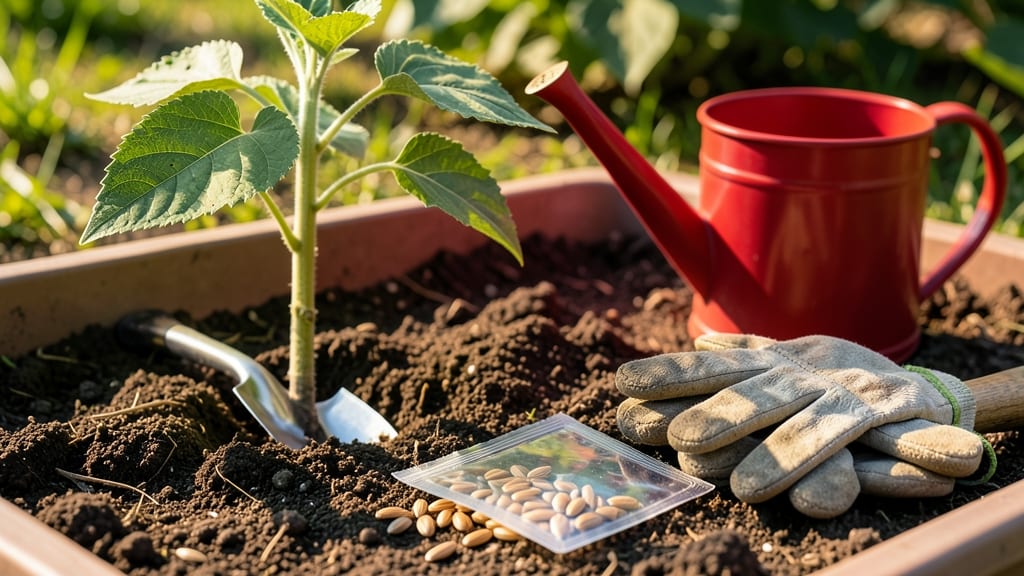
Plant sunflower seeds in Southern California anytime between January and November for towering blooms that attract pollinators and brighten your garden year-round.
You might think frost is the enemy, but in most of SoCal, it barely registers—so the real challenge is avoiding the brutal summer heat that can stress young plants. The secret? Start seeds indoors in late winter or sow directly in early spring before temperatures climb past 85°F.
Coastal areas (like USDA Zone 9b) can handle year-round planting, while inland desert regions (up to Zone 11) need shade during peak afternoon sun. Below, I’ll break down the best months by microclimate, plus how to stretch your sunflower season for nonstop color.
Ready to grow 12-foot giants with minimal fuss? Discover the exact timing, soil prep, and care tricks that turn seeds into sun-soaked stunners—without the guesswork.
Best months to plant sunflower seeds in Southern California’s climate zones
Southern California’s diverse microclimates—from coastal chill to inland heat—create unique windows for planting sunflower seeds. Unlike northern regions, SoCal’s frost-free winters and year-round growing potential mean you can sow almost anytime.
But timing still matters: plant too early in the desert’s summer, and your seeds will bake; too late in coastal areas, and you’ll miss peak blooms. Let’s break down the ideal planting months by zone, including soil temperature thresholds and frost risk (yes, even SoCal gets occasional chilly surprises!).
Coastal areas like San Diego and Santa Barbara (USDA zones 9b-10a) enjoy milder winters, while inland valleys like the Inland Empire and San Joaquin Valley (zones 10a-11) face hotter summers. High desert regions like Joshua Tree (zone 9a) experience cooler nights but intense daytime heat.
These differences shift the optimal planting windows by 4-6 weeks between regions. For example, coastal gardeners can start seeds as early as January, while desert growers should wait until March to avoid heat stress.
Sunflowers thrive when soil temperatures stay between 50°F and 90°F. Below 50°F, germination slows dramatically, and above 90°F, seeds risk drying out before sprouting. In coastal zones, soil warms gradually—ideal for direct sowing from February to April.
Inland, wait until soil temps hit 60°F+, typically March to May. Pro tip: Use a soil thermometer to confirm readiness; most garden centers sell them for under $10.
Here’s how Southern California’s microclimates stack up for sunflower planting:
For direct sowing, aim to plant seeds when daytime highs are consistently above 60°F. In coastal areas, this aligns with late winter to early spring (February–April). Inland, wait until March or April to avoid the 100°F+ summers that can scorch young seedlings.
If you’re growing tall varieties (like Mammoth or Russian Giant), give them a 6-inch head start by sowing indoors under grow lights 4–6 weeks before outdoor transplanting.
SoCal’s year-round growing potential lets you experiment with succession planting. Sow a second batch in late summer (August–September) for fall blooms, especially in coastal zones. Just monitor soil moisture—summer heat dries soil faster, so water deeply 2–3 times per week until seedlings emerge.
Mulch with straw or wood chips to retain moisture and regulate soil temperature.
One common mistake? Planting heat-sensitive varieties too early in inland areas. If you’re in the San Joaquin Valley and sow in February, your seeds may rot in 90°F+ soil. Instead, opt for heat-tolerant varieties like Autumn Beauty or ProCut, which handle SoCal’s extremes better.
Always check the seed packet for days-to-maturity—most sunflowers bloom in 80–120 days, so time your planting to avoid summer wilting.
Pro tip: Use black plastic mulch in desert areas to warm soil faster and reduce water evaporation. Lay it down 1–2 weeks before planting to let it heat up.
In coastal zones, a lightweight row cover can protect seedlings from unexpected 40°F nights in December–January. Both tricks extend your planting window by 2–4 weeks.
Sunflowers are drought-tolerant once established, but they need consistent moisture during germination. In coastal zones, water every 2–3 days until sprouts appear; inland, water daily for the first week. After that, reduce to 2–3 times per week, focusing on the root zone.
Overhead watering can spread fungal diseases, so use a drip irrigation system or water at the base with a soaker hose.
Ready to plant? Grab your sunflower seeds, a trowel, and check your local USDA zone
How to extend your sunflower season: 3 pro tips for longer blooms
Southern California’s year-round growing potential means you can enjoy sunflowers almost anytime—but with a few smart tricks, you can push those vibrant blooms even further.
Whether you’re dealing with coastal fog delays or inland heat waves, these strategies will help you stretch your sunflower season for months of cheerful faces.
Most gardeners plant sunflowers in spring or early summer, but with the right techniques, you can start seeds in late winter or extend blooms into fall. The key? Understanding how to adjust for microclimates and avoid common pitfalls like overcrowding or poor soil prep that stunt growth.
Let’s dive into my top three methods for a longer, more abundant sunflower season.
Use grow lights for 12-14 hours/day. Transplant outdoors when soil reaches 55°F+ and seedlings have 2-3 true leaves. Ideal for early spring blooms.
Deploy 30-50% shade cloth in August-September to shield plants from intense afternoon sun. Water deeply before noon to prevent stress.
Sow new seeds every 2-3 weeks from March to September. Mix early, mid, and late-season varieties for continuous blooms.
One critical mistake I see is planting sunflowers too closely together, which leads to weak stems and fewer blooms. Always space seeds 12-24 inches apart, depending on the variety.
For example, dwarf varieties like ‘Teddy Bear’ need only 6-12 inches, while giant types like ‘Russian Giant’ require 24+ inches to prevent shading.
Another common pitfall is skipping soil prep. Amend your garden beds with compost or aged manure before planting to ensure nutrient-rich soil.
Sunflowers are heavy feeders, so a balanced fertilizer (like 10-10-10) at planting and again when flowers appear will give them the boost they need for taller stems and brighter blooms.
For coastal gardeners, watch for delayed germination due to cooler soils. If your area experiences morning fog, consider using black plastic mulch to warm the soil faster. Inland gardeners should mulch heavily to retain moisture during hot summer months, as sunflowers wilt quickly when stressed.
With these three pro tips, you’ll enjoy sunflowers from early spring to late fall, attracting pollinators and adding height and color to your garden year-round. Just remember: patience and preparation are key—don’t rush the process, and your sunflowers will reward you with stunning, long-lasting blooms.