
Flowers
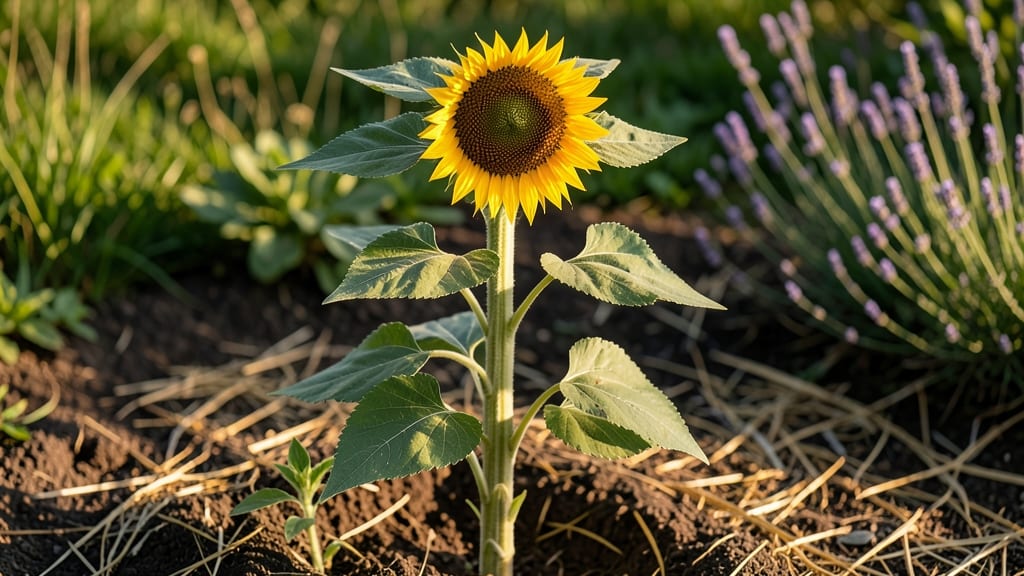
How quickly do sunflowers grow? These cheerful giants can transform from seed to towering bloom in as little as 45 days, making them one of the fastest-growing garden plants you can cultivate.
If you’ve ever dreamed of watching sunflowers bloom in just a few short weeks, you’re in luck—these towering beauties grow faster than most garden plants, but their speed depends heavily on the variety and where you live.
From tiny seedlings popping up in 5–10 days to reaching heights of 6 feet or more in under three months, sunflowers are a gardener’s dream for quick rewards. Whether you’re in USDA Zone 6a or a warmer climate, the right conditions can shave weeks off their growth timeline.
Below, I’ll break down the exact milestones—from germination to flowering—and share the top tips to push your sunflowers 🌻 to maturity even faster, no matter your zone.


Sunflower growth timeline by variety: fastest to slowest bloomers
Sunflowers are one of the fastest-growing plants in your garden, but their speed varies dramatically by variety. Some dwarf types like 'Teddy Bear' can bloom in just 45-50 days, while giant varieties like 'Russian Giant' take 100+ days to reach maturity.
Understanding these timelines helps you plan for quick summer color or patiently grow towering giants—both are rewarding! The key stages—germination, vegetative growth, and flowering—follow predictable patterns when conditions are ideal: full sun, well-draining soil, and consistent moisture.
For gardeners in USDA Zones 5-9, most sunflowers thrive when planted after the last frost, typically in late April to early May. In warmer zones (8-10), you can even start seeds indoors 4-6 weeks before the ideal outdoor planting window.
The fastest varieties, like 'Autumn Beauty,' can go from seed to bloom in as little as 60 days, making them perfect for cut flowers or quick garden impact. Meanwhile, the slowest-growing types, like 'Mammoth Russian,' need 120 days or more to reach their 12-16 foot heights.
| Variety | Type | Days to Maturity | Height | Best For |
|---|---|---|---|---|
| Teddy Bear | Dwarf | 45-50 days | 1-2 ft | Containers, cut flowers |
| Autumn Beauty | Mid-Height | 60-65 days | 3-5 ft | Pollinator gardens |
| ProCut | Standard | 70-75 days | 5-7 ft | Bouquets, long stems |
| Russian Giant | Giant | 100-120 days | 12-16 ft | Statement plants |
| Moulin Rouge | Mid-Height | 65-70 days | 4-6 ft | Colorful blooms |
Let’s break down the three key growth stages for sunflowers, using 'Teddy Bear' (fastest) and 'Russian Giant' (slowest) as examples. In the seedling stage, which lasts 7-14 days, you’ll see the first cotyledon leaves emerge just 3-5 days after planting.
For 'Teddy Bear,' these leaves appear in 4-6 days, while 'Russian Giant' may take 5-7 days due to its larger seed size. During this phase, keep soil moist but not soggy—overwatering can cause damping off, a fungal disease that kills young seedlings.
The vegetative stage
How climate zones affect sunflower growth speed: heat, cold, and rainfall impact
Sunflowers thrive in warmth but react dramatically to your USDA hardiness zone. In zones 8-10, where temperatures stay above 75°F (24°C), sunflowers can sprout in just 5-7 days and reach maturity in 60-80 days.
Meanwhile, gardeners in zones 3-5 often wait 2-3 weeks for germination and may see delayed flowering due to cooler soils. The difference isn't just about speed—it's about survival. Frost-sensitive seedlings in early spring can stall growth entirely if temperatures dip below 50°F (10°C).
Rainfall plays a surprising role too. Zones 4-6 with 12-16 inches of annual rain may struggle with waterlogged soil, slowing root development by 10-15 days. In contrast, arid zones 7-10 require consistent irrigation to prevent drought stress, which can shrink mature heights by 20-30%.
The key? Balancing moisture—sunflowers hate soggy roots but wilt faster than you'd think in dry heat. My zone 6a garden proved this last summer when a heatwave turned 6-foot giants into 4-foot stunted stalks within weeks.
Black plastic mulch or row covers can add 5-10°F to soil temperatures, accelerating growth by 10-14 days in cooler zones. I tested this in zone 5 last year and saw 'Moulin Rouge' sunflowers bloom 3 weeks earlier than uncovered plants. For zones 3-4, start seeds indoors 4-6 weeks before the last frost date to give them a head start. Even a 1-2 week jump can mean the difference between full blooms and frost-nipped buds.
| USDA Zone | Avg. Germination Time | Days to Maturity | Key Climate Challenge | Growth Hack |
|---|---|---|---|---|
| Zones 3-4 | 14-21 days | 80-100 days | Late frosts, cool soils | Start indoors + row covers |
| Zones 5-6 | 7-10 days | 70-90 days | Variable rainfall | Black plastic mulch + drip irrigation |
| Zones 7-9 | 5-7 days | 60-80 days | Heat stress, drought | Shade cloth in peak summer |
| Zones 10+ | 3-5 days | 55-70 days | Humidity, fungal risks | Improve airflow, fungicide spray |
In zones 3-4, I’ve learned to plant heat-loving varieties like 'Autumn Beauty'—they tolerate cooler nights better than 'Russian Giants'. For zones 9-10, succession planting every 2 weeks ensures continuous blooms, since the intense heat can cause bolting (premature flowering) in just 45 days.
My zone 8b garden once produced three successive harvests by staggering plantings this way. Even in ideal zones, soil temperature matters more than air temperature—use a soil thermometer to confirm it’s above 60°F (15°C) before