
Flowers
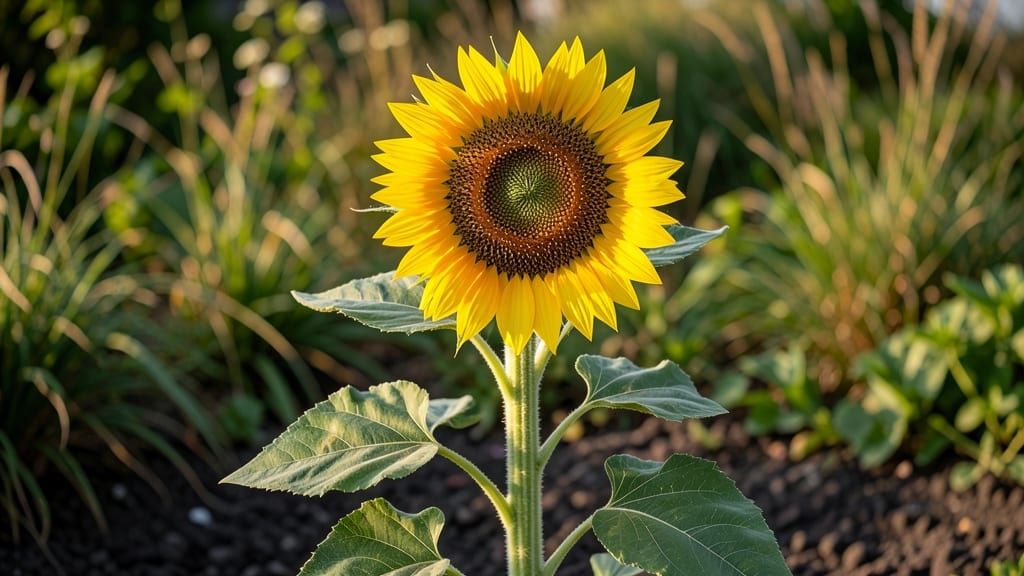
Sunflowers grow anywhere from how tall do sunflowers grow—ranging from 1 foot to towering 16 feet, depending on the variety and how you care for them 🌻—and that range is far more dramatic than most gardeners realize.
Picture this: a dwarf sunflower barely reaching your waist, while a giant variety looms over your fence like a living skyscraper. The difference isn’t just about aesthetics—it’s about space, sunlight, and even soil quality.
If you’re planning a sunflower patch, knowing the height of your chosen variety is the first step. A 3-foot "Teddy Bear" fits snugly in a container, while a 12-foot "Russian Giant" needs elbow room and sturdy support.
Below, I’ll break down the height ranges by type, plus the key factors that can push your sunflowers toward the sky—or keep them compact. Ready to grow the perfect size for your garden?


Sunflower height by variety: from dwarf to giant species
Sunflowers come in a stunning range of heights, from compact dwarf varieties perfect for containers to towering giants that can dwarf even the tallest gardeners. The variety you choose determines not just the height but also the growing conditions and maintenance needs.
Whether you're aiming for a privacy screen or a whimsical patio display, understanding these height differences helps you plan your garden layout effectively.
Most sunflower varieties fall into three broad height categories: dwarf (1-3 ft), mid-size (3-6 ft), and giant (8-16 ft).
The genetic makeup of each variety dictates its potential height, but factors like sunlight exposure, soil fertility, and watering consistency can influence how close they reach their maximum. Let’s explore the most popular varieties in each category and what makes them thrive.
🌻
Dwarf sunflowers like 'Teddy Bear' are perfect for small spaces or container gardening. These varieties typically reach 2-3 feet tall and bloom quickly, making them ideal for beginner gardeners or urban balcon
How climate and soil affect sunflower growth height
Sunflowers thrive when given the right growing conditions, but their final height can vary dramatically based on your USDA hardiness zone and soil quality.
In warmer climates like Zones 8-10, sunflowers often reach their maximum potential height—sometimes exceeding 12 feet—while in cooler Zones 3-5, they may stay shorter, around 6-8 feet.
This isn’t just about temperature; it’s also about sunlight exposure, soil nutrients, and even watering consistency. Let’s break down how these factors influence your sunflower’s growth trajectory.
Your local climate plays a huge role in determining whether your sunflowers will stretch toward the sky or stay more compact. For example, Russian Giant sunflowers—known for their 12-16 foot heights—struggle in shorter growing seasons (like Zone 4) and may only reach 8-10 feet.
Meanwhile, in longer, hotter summers (like Zone 9), they can hit those towering heights. Even dwarf varieties like Teddy Bear (typically 1-3 feet) may grow taller in ideal conditions, proving that climate isn’t the only factor at play.
🌱 Key Factors Influencing Sunflower Height
- 1. USDA Zone: Cooler zones (3-5) limit height; warmer zones (8-10) maximize growth.
- 2. Sunlight: 6+ hours daily fuels rapid growth; partial shade stunts height.
- 3. Soil pH: Ideal 6.0-7.5 promotes nutrient absorption; acidic soil slows growth.
- 4. Watering: Deep, consistent watering supports tall stems; drought stress weakens structure.
- 5. Fertilizer: Balanced NPK (10-10-10) boosts height; over-fertilizing can cause floppy stems.
Soil quality is just as critical as climate. Sunflowers crave well-draining, nutrient-rich soil with plenty of organic matter. If your soil is clay-heavy or sandy, amending it with compost or aged manure can significantly boost height.
For example, adding 2-3 inches of compost before planting can increase nutrient availability, helping your sunflowers reach their genetic height potential. In poor soil conditions, even tall varieties like Mammoth may only grow 50-70% of their expected height.
A quick soil test can reveal deficiencies in nitrogen, phosphorus, or potassium, all of which directly impact stem strength and height.
Watering practices also play a surprising role in height. Sunflowers need deep, infrequent watering—about 1-2 gallons per plant every 3-5 days—to develop strong stems. Shallow watering leads to weak, leggy growth, while overwatering can cause root rot, stunting height.
In dry climates, mulching around the base with straw or wood chips helps retain moisture and encourages taller growth. Conversely, in humid regions, proper spacing (at least 18-24 inches apart) reduces competition for water and nutrients, allowing sunflowers to grow taller.
Don’t overlook the role of sunlight exposure. Sunflowers are heliotropic, meaning they follow the sun’s movement to maximize energy absorption. In full sun (6+ hours daily), they grow 20-30% taller than in partial shade.
If you’re growing sunflowers in a container or urban garden with limited sunlight, consider reflective surfaces (like white walls) to bounce extra light onto the plants. Even a 1-2 hour difference in sunlight can mean the difference between a 6-foot and 10-foot sunflower.
Finally, remember that genetics matter most. While climate and soil can influence height, choosing the right variety for your zone is the best way to ensure success. For cooler climates, opt for dwarf or semi-dwarf varieties like Autumn Beauty (3-5 feet).
In warmer zones, go for giant varieties like Russian Giant or Mammoth. With the right conditions, even a small-space gardener can grow a sunflower that reaches their porch roof!