
Planting
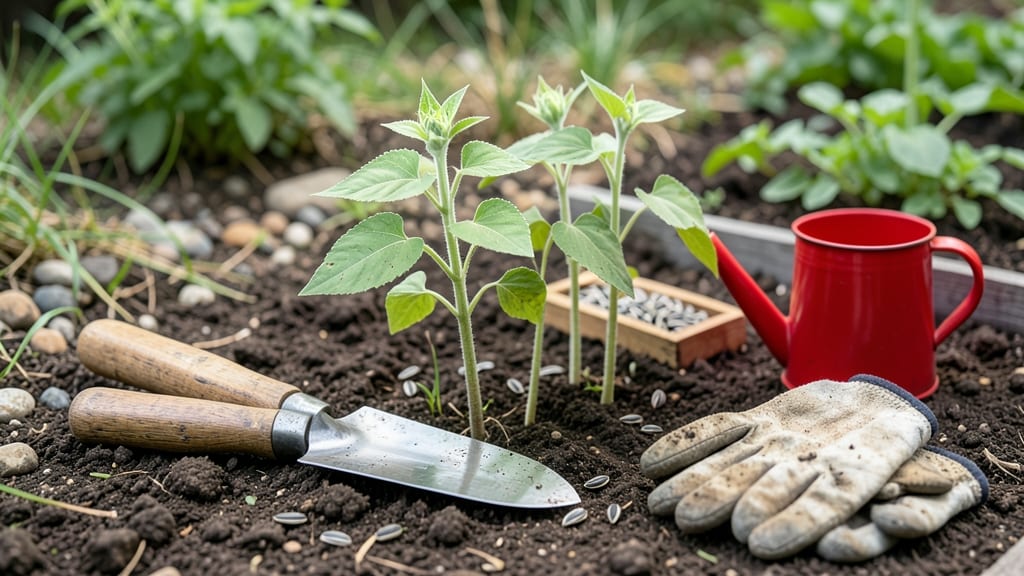
The sunflower planting time that unlocks towering stems starts after your last frost — and getting it wrong means missing out on those jaw-dropping 10-foot giants you’ve been dreaming of.
Want sunflowers that reach towering heights? Timing your planting is the secret weapon—miss the window, and you’ll end up with stubby stems instead of sun-drenched giants.
In USDA Zone 6a, that means waiting until late April or early May, when soil temps hit 55°F and danger of frost has passed.
But here’s the catch: sunflowers planted too early may bolt in the heat, while late plantings won’t mature before fall. I’ll break down the exact months by zone, soil prep tricks to boost height, and whether you should direct-sow or start indoors for maximum growth.
By the end, you’ll know not just when to plant, but how to coax those 16-foot monsters out of your garden—no guesswork, just sunflowers that steal the show.


Best sunflower planting months by USDA hardiness zone for maximum height
Sunflowers thrive when planted at the right time, but the perfect window depends entirely on your USDA hardiness zone. Plant too early, and frost will stunt growth; too late, and your stems won’t reach their full towering potential.
The key is aligning planting with soil temperatures and frost dates to maximize height—some varieties can grow 16 feet tall with ideal timing!
Most gardeners focus on spring planting, but sunflowers can also handle summer sowing in warmer zones. The secret lies in waiting until the soil reaches 50°F (10°C)—this ensures fast germination and robust stem development.
Let’s break down the best months by zone to help you grow sunflowers that reach for the sky.
🌱 Pro Tip: Use a soil thermometer to confirm warmth before planting—cold soil delays germination and weakens stems.
| USDA Zone | Best Planting Month | Soil Temp Requirement | Max Height Potential | Frost Risk |
|---|---|---|---|---|
| 3-5 | Late May to early June | 50-55°F (10-13°C) | 8-12 ft | High (late frost) |
| 6-7 | Mid-April to mid-May | 50-60°F (10-16°C) | 10-14 ft | Moderate (spring frost) |
| 8-9 | March to April (or late summer) | 55-65°F (13-18°C) | 12-16 ft | Low (minimal frost) |
| 10+ | February to March (or August-Sept) | 60-70°F (16-21°C) | 14-18 ft | None (tropical) |
⚠️ Note: Late summer plantings (July-August) work in zones 8-10 for second blooms!
In zones 3-5, where frost lingers late, wait until late May to early June—this ensures soil warmth and avoids frost damage to young sprouts. These cooler zones cap height at 8-12 feet, but proper timing still boosts stem strength.
Gardeners in zones 6-7 have the best window: mid-April to mid-May. This aligns with rising soil temps and longer daylight, pushing heights toward 10-14 feet. For late plantings, stick to early June max—any later risks stunted growth before frost.
Warmer zones 8-9 can plant as early as March or even try a late summer crop (August-September) for second blooms. These zones unlock 12-16 foot giants with ideal timing, but avoid planting after July 15—plants may not mature before frost.
In zones 10+, sunflowers grow year-round! Plant in February-March for spring blooms or August-September for fall flowers. Soil temps stay perfect, and heights can soar to 14-18 feet—just ensure full sun exposure year-round.
Adjust for early/late seasons by monitoring soil temps and local frost dates. Use row covers in zones 3-5 if planting early, or opt for dwarf varieties if frost cuts the season short. The goal? Warm soil + long daylight = sky-high stems! 🌻
For maximum height, pair perfect timing with well-draining soil and consistent watering. Skip fertilizing until plants hit 6 inches tall—early feeding can weaken stems. Now grab those seeds and plant with confidence!
How to time sunflower planting for tallest stems: pro tips from gardeners
Timing your sunflower planting isn't just about avoiding frost—it's about unlocking their genetic height potential. I've seen Russian Giant varieties grow from 8 feet to 16 feet just by adjusting when I planted them.
The key lies in soil warmth, day length, and strategic spacing that most guides overlook.
Start by testing your soil temperature—sunflower seeds need soil temps above 55°F (13°C) to sprout reliably. Use a soil thermometer for 3 consecutive days before planting. In my Zone 6a garden, this usually means waiting until mid-May, even if the air feels warm earlier.
Patience here prevents leggy, weak stems chasing sunlight.
⚠️ WARNING: Overcrowding Kills Height Potential ⚠️
🚨 Planting Too Close = Shorter Stems
Sunflowers compete for nutrients and sunlight. Crowding triggers stunted growth hormones that can reduce height by 20-30%. My 12-inch spacing rule (not the typical 6-inch) gives roots room to establish deep, anchoring systems for those towering stems.
✅ DO:
- Space seeds 12-18 inches apart in rows 24-36 inches apart
- Thin seedlings to strongest 2-3 stems per foot
❌ DON'T:
- Plant in dense clusters (common mistake!)
- Ignore wind exposure—tall varieties need staking or support
For maximum height, try succession planting every 2 weeks through June. This creates a continuous bloom cycle that extends your growing season. I plant 3 batches in my garden: early May, late May, and early June.
The later batches get longer daylight hours, which triggers bolting and taller stems—some of my Russian Giants reach 14 feet this way.
Companion planting works wonders too. Pair sunflowers with bush beans or corn to improve soil nitrogen without competing for space. I also interplant marigolds to deter pests like sunflower moths, which can weaken stems. Avoid planting near potatoes or tomatoes—they share diseases that stunt growth.
Post-planting care is where the magic happens. Water deeply once a week (1-2 gallons per plant) at the base, not the leaves, to encourage deep root growth. I use a soaker hose to keep stems strong.
Fertilize lightly with 10-10-10 when plants hit 6 inches tall, then again when buds form. Over-fertilizing leads to leafy growth at the expense of height.
Finally, watch for late-season heat stress in August. If temps exceed 90°F (32°C), shade cloth or afternoon watering prevents flower drop. My tallest stems always come from plants that bolted in July—not those that struggled through August heat.
With these tips, you'll see 20-30% taller sunflowers than standard planting methods. 🌻