
Flowers
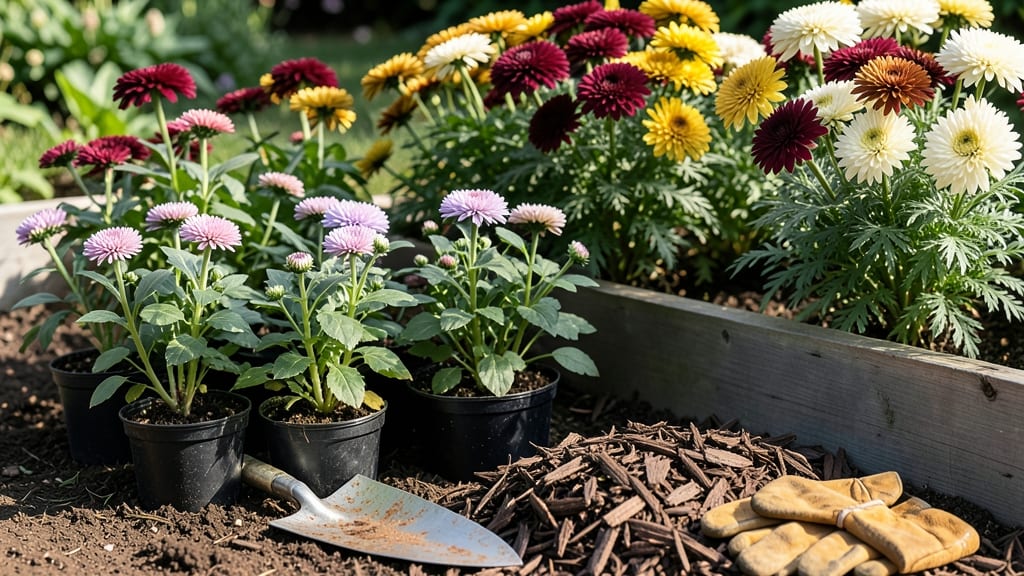
Planting fall flowers in Georgia between mid-August and early October sets you up for a burst of color before winter—just don’t wait too late, or frost will cut your blooms short.
Georgia’s mild winters and warm fall days create the perfect window for planting vibrant flowers—but timing is everything to avoid frost damage or missed blooms.
If you’ve ever rushed to plant 🌸 chrysanthemums or pansies only to see them wilt under an early frost, you know how critical those dates are.
The key is planting 6-8 weeks before your first frost (usually mid-November in most of Georgia), giving roots time to establish before cold sets in.
In this guide, I’ll break down the exact planting windows for your USDA zone (7b-8b), the best flower varieties for fall color, and how to prep your soil so your blooms thrive until the first freeze.
Georgia’s fall planting zones: exact dates by region for best results
Georgia’s fall planting season stretches from mid-August to early October, offering gardeners a prime window to establish vibrant flowers before winter. However, the state’s USDA zones 7a-8b create microclimates where planting dates can vary by 2-3 weeks—critical for avoiding frost damage.
Understanding your exact frost risk zone ensures your fall flowers thrive until November’s first chill.
In Zone 7a (northwest Georgia), the average first frost arrives around November 15th, while Zone 8b (southwest Georgia) may see frost as late as December 1st.
This 3-week difference means gardeners in Zone 7a should plant annuals and bulbs by September 15th, while Zone 8b gardeners have until October 1st for most varieties. Timing isn’t just about frost—it’s also about giving plants 6-8 weeks to establish roots before winter dormancy.
For perennials, which return year after year, the window is slightly wider: late August to mid-October. These hardy plants benefit from Georgia’s warm soil temperatures in fall, which encourage root growth.
But even perennials need time to acclimate to cooler temps, so avoid planting after October 15th unless you’re in Zone 8b with a late frost date.
| USDA Zone | Avg. First Frost | Best Planting Window | Annuals (Bulbs) | Perennials |
|---|---|---|---|---|
| 7a (Northwest GA) | November 15 | August 15 – September 15 | By September 1 | August 20 – October 1 |
| 7b (Central GA) | November 1 | August 20 – September 20 | By September 15 | August 25 – October 10 |
| 8a (South GA) | November 25 | August 25 – October 1 | By October 1 | September 1 – October 15 |
| 8b (Southeast GA) | December 1 | September 1 – October 10 | By October 15 | September 10 – October 20 |
*Dates based on 30-year averages; microclimates may vary by 1-2 weeks.
If you’re planting fall-blooming bulbs like tulips or daffodils, aim for late September to early October in Zone 7a and early October in Zone 8b.
These bulbs need 6-8 weeks of cool soil temps to root before winter, so don’t wait until November—even Georgia’s mild winters can cause bulb rot if planted too late.
For annuals like pansies or snapdragons, which tolerate light frost, you can push the window to early November in Zone 8b, but Zone 7a gardeners should finish by October 15th.
One critical factor often overlooked is soil temperature. Georgia’s fall soil stays warm well into October, which is ideal for root growth. However, if you’re planting in late October, test soil temps—if they’re below 60°F, roots may struggle to establish.
Use a soil thermometer to check before planting; most fall flowers prefer 65-75°F soil for best results.
For gardeners in Zone 7a, where frost arrives earliest, focus on cold-hardy annuals like pansies, sweet alyssum, and calendula. These varieties can handle brief frost exposures and may even rebloom in spring.
In Zone 8b, you can experiment with tender perennials like salvia or ornamental grasses, which may survive winter with mulch protection. Always mulch heavily (3-4 inches) after planting to insulate roots and retain moisture.
Pro tip: Use row covers or frost cloth to extend your fall planting window by 1-2 weeks. These lightweight fabrics protect plants from light frosts (28-32°F) and can make a difference if you’re planting near the late-October cutoff.
Just remember to remove covers during the day to prevent overheating and pest buildup.
Finally, don’t forget that fall planting prep starts in summer. Amend your soil with compost or aged manure by July to improve drainage and fertility—a must for Georgia’s clay-heavy
Top 10 fall-blooming flowers for Georgia gardens: cold-hardy picks with planting tips
Georgia’s fall season offers the perfect opportunity to plant cold-hardy flowers that thrive in USDA Zones 7b-8b. With the right timing and care, these frost-resistant blooms will brighten your garden until the first frost.
Whether you're a seasoned gardener or just starting, these top 10 fall flowers are your best bet for vibrant color and easy maintenance.
Choosing the right flowers means considering planting windows, soil preparation, and spacing guidelines tailored to Georgia’s climate. For example, chrysanthemums and asters love full sun, while pansies can handle partial shade. Let’s dive into the best picks and how to plant them for maximum impact.
- 🌸 Chrysanthemums
- Plant in September-October; thrives in full sun. Space 12-18 inches apart.
- 🌿 Asters
- Ideal August-September planting; prefers partial shade. Space 18-24 inches apart.
- 🌷 Pansies
- Plant September-October; tolerates partial shade. Space 6-9 inches apart.
- 🌹 Mums (Chrysanthemums)
- Best planted in late August; needs full sun. Space 12-18 inches.
- 🌻 Goldenrod
- Plant in September; loves full sun. Space 18-24 inches.
- 🌼 Zinnias
- Ideal for late August planting; thrives in sun. Space 6-12 inches.
- 🌿 Sedum (Stonecrop)
- Plant in September; drought-tolerant. Space 12-18 inches.
- 🌷 Snapdragons
- Best planted in September; prefers partial shade. Space 9-12 inches.
- 🌹 Dahlias
- Plant tubers in September; needs full sun. Space 12-18 inches.
- 🌿 Salvia
- Ideal for late August; loves sun. Space 12-18 inches.
For all these flowers, start by amending your garden soil with compost to improve drainage and fertility. Most prefer well-draining soil with a pH of 6.0-7.0. After planting, water deeply to help roots establish, especially during Georgia’s dry fall spells.
Mulch around the base to retain moisture and protect roots from temperature swings.
Deadheading spent blooms will encourage more flowers until the first frost. This simple task extends your garden’s beauty and keeps your plants healthy. For example, chrysanthemums and asters respond well to deadheading, producing fresh blooms right up to winter.
Don’t forget to monitor your garden for pests like aphids or slugs, which can damage tender new growth. Aphids can be sprayed