
Planting
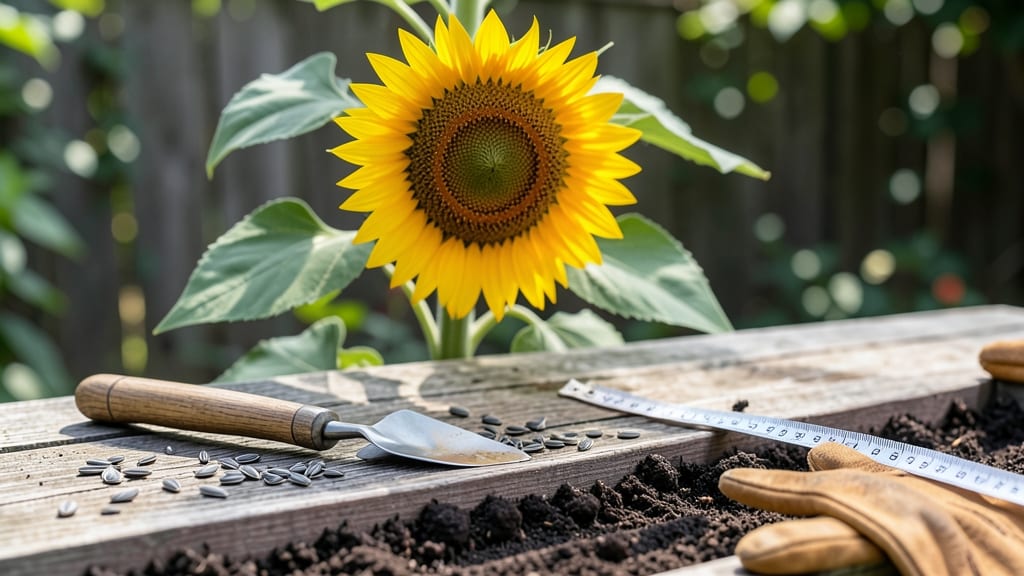
To plant sunflower seeds the right way, space them 6 to 24 inches apart depending on the variety—dwarf types need less room, while giants thrive with extra elbow space.
Sunflowers add towering beauty to any garden, but planting them too close can lead to weak stems, poor blooms, and even disease—so getting the spacing right is crucial for healthy growth.
Most gardeners assume "more sunflowers = better," but crowded plants compete for sunlight and nutrients, leaving you with scraggly stalks instead of showstopping blooms. The key is matching your spacing to the plant’s mature height.
In this guide, I’ll break down the exact spacing for dwarf, semi-dwarf, and giant varieties, plus how to adjust for soil, sunlight, and companion plants—so you end up with a thriving sunflower patch instead of a tangled mess.


Optimal sunflower seed spacing by variety: dwarf vs. giant types
Sunflowers are one of the most rewarding plants to grow, but their spacing needs vary dramatically depending on the variety. Dwarf sunflowers stay compact, while giant varieties can reach towering heights—both need the right space to thrive. Poor spacing leads to weak stems, stunted growth, and fewer blooms, so let's break down the ideal distances for each type.
I've learned through years of gardening that sunflower spacing isn't one-size-fits-all. Dwarf varieties like 'Teddy Bear' or 'Moulin Rouge' need less room, while giant types such as 'Russian Giant' or 'Mammoth' require generous spacing. The key is balancing sunlight exposure, root development, and airflow to prevent disease.
Here's where the comparison table becomes essential—it clearly shows how spacing differs by variety type and growth habit. Let's dive into the specifics to help you plan your sunflower garden perfectly.
For dwarf sunflowers, I recommend spacing seeds 12-18 inches apart in all directions. These compact varieties stay under 3 feet tall, making them perfect for container gardening or border plantings. The close spacing encourages bushier growth and more blooms per square foot.
When growing semi-dwarf varieties, increase the spacing to 18-24 inches between plants and 24-30 inches between rows. These mid-sized sunflowers (3-6 feet tall) benefit from slightly more room to develop stronger stems and larger flower heads.
Standard sunflowers (6-10 feet) need 24-36 inches between plants and 36-48 inches between rows. This spacing prevents overcrowding and allows each plant to compete effectively for sunlight, which is critical for those towering stems.
Giant sunflowers are the most demanding—space them 36-48 inches apart with 48-60 inches between rows. These 10-14 foot giants require maximum space to develop their massive flower heads and thick stems. I always plant them at the edges of my garden to avoid shading smaller plants.
Remember, these are minimum spacing guidelines. If your soil is particularly fertile or you're in a cooler climate, you can stretch the spacing slightly. Conversely, in hot, dry conditions, closer spacing might help retain moisture—just monitor for signs of stress or disease.
Pro tip: Use a stake or marker when planting to maintain proper spacing, especially in larger gardens. For giant varieties, consider staking or caging early to support their rapid growth and prevent flopping in wind or rain.
With the right spacing, your sunflowers will reward you with vibrant blooms, strong stems, and healthy seed production—all while creating a stunning focal point in your garden. 🌻
How to adjust sunflower spacing for different growing conditions
Not all sunflower gardens are created equal—your local climate, soil fertility, and container size can dramatically change how much space each plant needs.
In nutrient-rich soil, you might squeeze plants 6 inches apart, but in poor soil, that same spacing could lead to stunted growth or disease from overcrowding. Let’s break down how to adjust spacing for your unique conditions.
First, consider your soil quality. If your soil is sandy or lacks organic matter, increase spacing to 12-18 inches to give roots room to explore. Rich, loamy soil?
You can plant 6-12 inches apart and still get strong stems. A simple soil test can reveal whether your garden needs amendments like compost or fertilizer before planting.
Climate plays a huge role too. In hot, dry climates, wider spacing (up to 24 inches) helps reduce competition for water. Meanwhile, in cooler regions with shorter growing seasons, you can plant closer (6-12 inches) to maximize sunlight exposure for faster maturation.
⚠️ callout warning
- Weak stems that snap under wind or rain
- Smaller blooms with fewer seeds
- Fungal diseases from poor airflow
Container gardening requires the most adjustment. In 5-gallon pots, plant just 1-2 seeds per container—any more, and roots will circle, stunting growth. For larger containers (15+ gallons), you can fit 3-4 plants, but space them 12 inches apart.
Always use a well-draining mix with added perlite to prevent root rot.
Don’t forget about wind exposure. In windy areas, increase spacing to 18-24 inches to prevent plants from leaning or breaking. Stake taller varieties (like Mammoth sunflowers) at planting time to give them support, even if spacing is tight.
Finally, observe your garden’s airflow patterns. Sunflowers need good circulation to dry out quickly after rain, reducing disease risk. If your garden is naturally shady or humid, widen spacing to 18 inches and avoid planting in dense clusters. With these adjustments, your sunflowers will thrive—no matter your growing conditions!