
Size
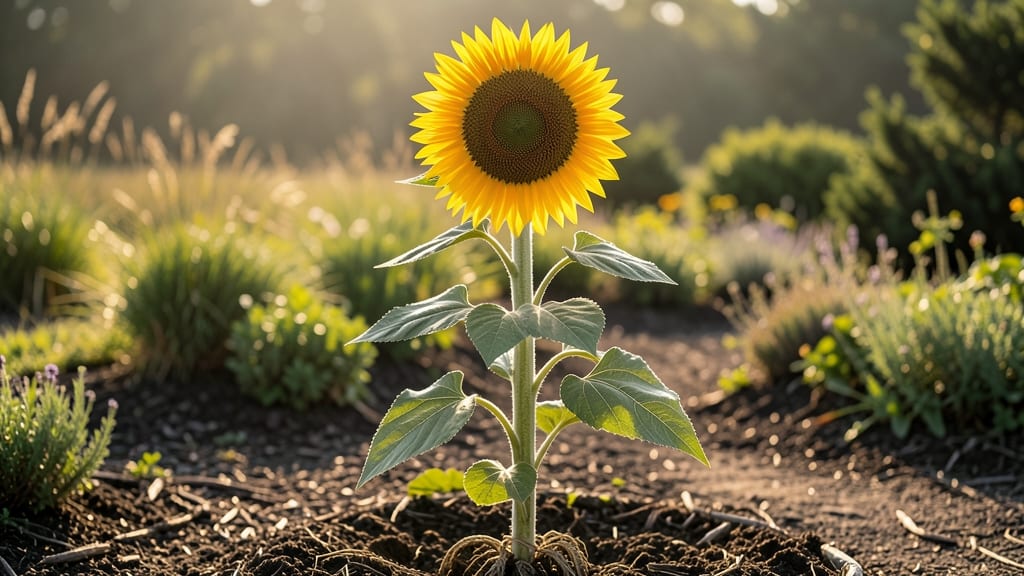
Mammoth sunflowers 🌻 can grow 10 to 14 feet tall—taller than most gardeners expect, and sometimes even taller than their own fences or sheds.
If you're dreaming of towering sunflowers that turn heads in your garden, Mammoth varieties are the ultimate choice—but how tall can they really grow? The answer might surprise you, especially if you’ve only seen shorter varieties in seed packets.
These giants thrive in full sun and rich soil, but their height depends on variety, spacing, and even your local climate. Some, like the 'Mammoth Russian,' can stretch 12 to 14 feet under ideal conditions, while others may max out around 10 feet in cooler zones.
Below, I’ll break down the exact heights by variety, share proven tips to encourage extra growth, and explain how to support those towering stems without them toppling over.


Exact height ranges of Mammoth sunflower varieties (with fastest-growing picks)
If you're planning a sunflower garden that will wow your neighbors, Mammoth sunflowers are the stars of the show—but their heights can vary dramatically between varieties. Some reach 12+ feet, while others stay closer to 8 feet.
The key to maximizing their towering potential lies in choosing the right cultivar and providing ideal growing conditions.
These giants aren't just impressive for their height; they're also some of the fastest-growing sunflowers you can plant. With the right care, you could see 3-4 feet of growth per month during peak season.
But not all Mammoth varieties grow at the same rate—some mature in 90 days, while others take up to 120 days to reach their full potential.
Here's what you need to know: The tallest varieties like 'Mammoth Russian' can surpass 14 feet with perfect conditions, while others like 'Mammoth Primitive' typically max out around 10-12 feet. Your USDA zone and growing season length will also play a crucial role in determining how tall your sunflowers become.
| Variety | Mature Height | Growth Rate | Days to Maturity | Best For |
|---|---|---|---|---|
| Mammoth Russian | 12-14 ft | 3-4 ft/month | 90-100 days | Tallest varieties, dramatic displays |
| Mammoth Grey Stripe | 10-12 ft | 2.5-3.5 ft/month | 95-110 days | Unique foliage, pollinator gardens |
| Mammoth Primitive | 8-10 ft | 2-3 ft/month | 100-120 days | Heirloom varieties, seed saving |
| Mammoth Yellow | 10-12 ft | 3 ft/month | 85-95 days | Fastest growers, beginner-friendly |
| Russian Giant | 14+ ft | 3.5-4 ft/month | 100-120 days | Record-breaking heights, special occasions |
Height ranges assume ideal growing conditions including full sun, rich soil, and proper spacing
For those chasing the tallest sunflowers, 'Russian Giant' and 'Mammoth Russian' are your best bets—both can exceed 14 feet when given optimal conditions. These varieties are perfect if you're aiming to create a garden focal point or break height records in your region.
The fastest-growing Mammoth sunflowers are typically the Mammoth Yellow varieties, which can add 3 feet per month during their peak growth phase. This makes them ideal for gardeners with shorter growing seasons who want to maximize height before frost arrives.
If you're growing Mammoth sunflowers in cooler climates (USDA Zones 3-5), focus on varieties like 'Mammoth Primitive' which mature slightly faster. In warmer zones (Zones 7-10), you can push the limits with 'Russian Giant' and expect even greater heights with proper care.
One common mistake gardeners make is overcrowding their sunflowers, which limits height potential. These giants need 18-24 inches of space between plants to reach their full height. Without proper spacing, you'll see stunted growth and weaker stems that can't support their own weight.
To get the absolute tallest sunflowers, combine the right variety with these proven strategies: deep, nutrient-rich soil, consistent morning watering, and staking for support. With these elements in place, you'll be well on your way to growing sunflowers that truly live up to their "Mammoth" name.
How to maximize Mammoth sunflower growth: proven tips for extra height
Want your Mammoth sunflowers to reach their full 12-14 foot potential? The secret lies in creating the perfect growing conditions from day one. These giants need more than just space—they demand nutrient-rich soil, strategic watering, and proper support to prevent flopping.
I’ve grown Mammoth Russian varieties for years, and I’ve learned which techniques make the biggest difference in height.
Start with loose, well-draining soil mixed with compost. Mammoth sunflowers have deep roots that need room to spread, so avoid compacted clay. Amend your soil with aged manure or compost before planting, and consider adding a slow-release fertilizer like 10-10-10 to fuel their rapid growth.
These plants are hungry, and skipping this step means shorter stems and fewer blooms.
⚠️ WARNING: Overcrowding Kills Height Potential ⚠️
🌱 Pro Tip: If you're short on space, try container growing with large pots (18"+ diameter) and deep drainage.
For extra height, master the art of deep watering. These sunflowers need 1-2 inches of water per week, but shallow watering encourages weak stems. Water deeply once a week (or more in extreme heat) to encourage roots to grow downward.
Morning watering is best—it reduces evaporation and fungal risks from wet foliage.
Don’t forget staking support! Without it, 10+ foot stems will flop over under their own weight. Use bamboo stakes or spiral supports tied loosely to the stem (never too tight—it can girdle the plant).
I’ve had Mammoth Grey Stripe varieties reach 13 feet with proper staking, while unstaked plants maxed out at 8-9 feet. Start staking when plants hit 3-4 feet tall.
Finally, full sun is non-negotiable. Mammoth sunflowers need 6-8 hours of direct sunlight daily—any less and their growth will slow dramatically. If your garden gets partial shade, choose a south-facing spot where they’ll get morning sun.
In shadier areas, consider reflective surfaces (like white mulch or a mirror) to bounce extra light onto the plants.
With these proven techniques, you’ll be growing Mammoth sunflowers that rival skyscrapers in your backyard. Just remember: patience and consistency are key—these giants take 90-120 days to reach their full height, but the payoff is worth it! ☀️🌻