
Plants
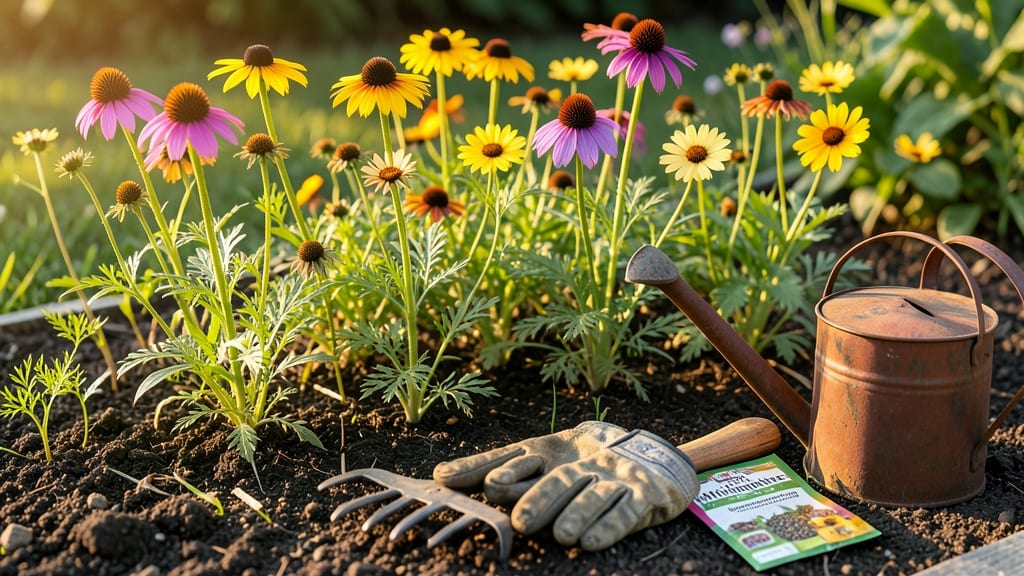
To plant wildflower seeds in Alabama, aim for late winter to early spring or late summer to early fall when the soil is workable and frost-free.
Timing is everything when it comes to planting wildflower seeds in Alabama—get it wrong, and your vibrant meadow could turn into a muddy disappointment. But with Alabama’s diverse USDA zones (7A through 8B), knowing the exact frost-free window ensures your wildflowers bloom boldly from spring to fall.
In the 7A-8B zones, your best bet is to scatter seeds after the last frost in March or again in August for fall blooms. This avoids the heat stress of summer planting while giving roots time to establish before winter.
Below, I break down the ideal planting months for each zone, the best wildflower varieties for Alabama’s climate, and how to prep your soil for maximum germination—so you can enjoy a burst of color from spring through fall.
Alabama’s frost-free planting windows by USDA zone (7A-8B)
Alabama’s wildflower planting success hinges on understanding your USDA zone and its frost-free dates. In Zone 7A (North Alabama), the last frost typically arrives around March 15, while Zone 8B (South Alabama) sees frost-free conditions by February 28.
These differences mean your planting timeline should shift based on where you live in the state.
For annual wildflowers like Black-eyed Susans and Cosmos, aim to plant seeds 2-4 weeks after your last frost date.
In Zone 7A, this means late March to early April, while Zone 8B gardeners can start as early as late February. Perennial wildflowers, such as Purple Coneflower and Butterfly Milkweed, thrive when planted in early spring or late summer.
Here’s a quick reference for Alabama’s frost-free windows by zone:
| USDA Zone | Last Frost Date | First Frost Date | Ideal Planting Window | Example Wildflowers |
|---|---|---|---|---|
| 7A | March 15 | November 15 | Late March–Early April Late August–Early September |
Black-eyed Susan, Coneflower, Goldenrod |
| 7B | March 1 | November 1 | Early March–Mid-April Late July–Early September |
Coreopsis, Blanket Flower, Milkweed |
| 8A | February 15 | October 31 | Mid-February–Early April Late July–Late September |
Lantana, Zinnia, Salvia |
| 8B | February 28 | December 1 | Late February–Early April August–September |
Coreopsis, Gaillardia, Mexican Sunflower |
In Zone 7A, where frosts linger longer, I recommend waiting until mid-March to plant annual wildflowers like Black-eyed Susans. These hardy bloomers thrive in Alabama’s clay-heavy soils and attract pollinators from early summer through fall.
For perennials, late summer planting (August) gives roots time to establish before winter.
Gardeners in Zone 8B enjoy a longer growing season, allowing for earlier spring plantings (as early as late February) and extended fall plantings into September. Coreopsis and Mexican Sunflower are excellent choices here—they bloom prolifically in the heat and drought conditions common in South Alabama.
For both zones, late summer planting (August–September) is ideal for fall-blooming wildflowers like Zinnias and Salvias. These varieties provide late-season color and support pollinators when other flowers fade. Just be sure to water deeply after planting to help seeds germinate before cooler weather sets in.
Pro tip: Use a frost calendar or local weather app to track your area’s specific frost dates. Microclimates—like urban heat islands or sheltered valleys—can shift frost timelines by 1-2 weeks, so always adjust your planting schedule accordingly.
A few extra weeks of patience in Zone 7A can mean the difference between a muddy mess and a vibrant meadow.
If you’re planting mixed wildflower seed blends, consider layering seeds in two phases: sow larger seeds (like Coreopsis) first, then top-dress with smaller seeds (like Clovers) after germination. This ensures even coverage and continuous blooms throughout the season.
Finally, remember that Alabama’s clay soils can be challenging for wildflower seeds. Amend your soil with compost or sand before planting to improve drainage and germination rates. With the right timing and prep, your wildflower meadow will thrive from spring to fall, no matter which USDA zone you’re in.
Best wildflower seed types for Alabama’s climate and when to sow them
Alabama’s warm climate and diverse ecosystems create the perfect canvas for wildflower meadows that burst with color from early spring through late fall.
The key to success lies in selecting native varieties that thrive in your specific USDA zone (7A-8B) while aligning their planting schedule with the state’s rainfall patterns and temperature fluctuations.
Whether you’re aiming for a spring explosion of color or a fall finale, strategic planting ensures your wildflowers bloom when you want them to.
Native Alabama wildflowers like Purple Coneflower (Echinacea purpurea) and Butterfly Milkweed (Asclepias tuberosa) not only support local pollinators but also require minimal maintenance once established.
These hardy perennials can be sown in early spring or late summer, while annuals like Black-eyed Susan (Rudbeckia hirta) thrive when planted in fall for spring blooms. Layering seeds by bloom season creates a continuous color show from March through November.
For a low-maintenance meadow, focus on native Alabama wildflowers that adapt to the state’s clay-heavy soils and variable rainfall. Start with a seed mix that includes 10-15 varieties to ensure diversity and resilience.
After sowing, keep the soil consistently moist for the first 4-6 weeks—this is critical for germination success in Alabama’s hot, dry summers.
Pro tip: If you’re planting in late summer or fall, choose a shady spot for seeds until germination occurs. Once established, most Alabama wildflowers are drought-tolerant and require minimal watering.
Over time, your meadow will become a self-sustaining ecosystem that attracts butterflies, bees, and birds while requiring almost no intervention from you.
Don’t forget to mow strategically—wait until after the first major bloom cycle (usually late spring) to allow seeds to mature for natural reseeding. This ensures your wildflower meadow grows thicker and more vibrant each year, turning your Alabama landscape into a pollinator paradise 🌼🐝🌿.