
Size
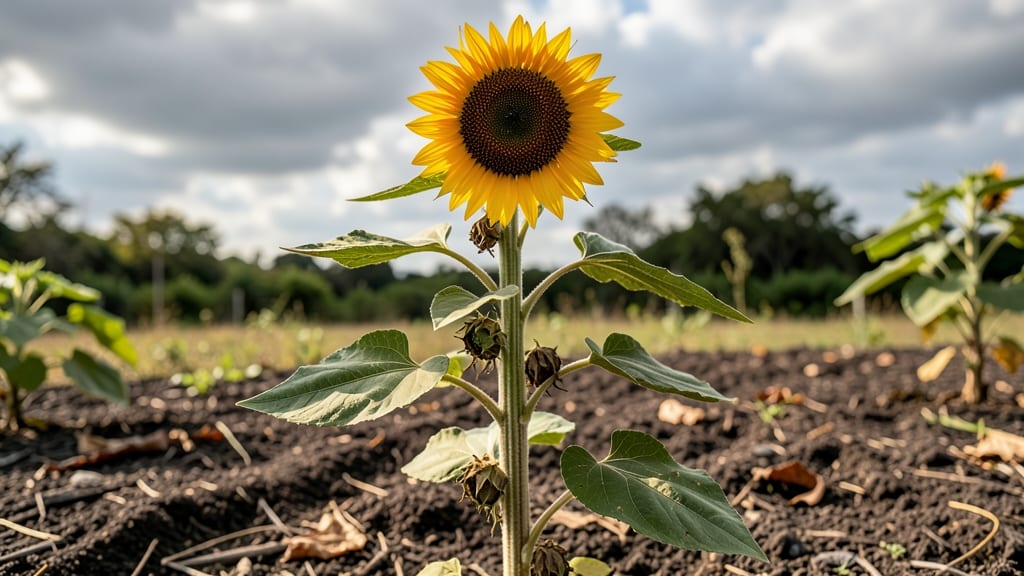
The Mexican sunflower size can vary dramatically—from towering giants that reach 6 to 10 feet to compact dwarf varieties that stay under 3 feet. If you’re planning your garden layout, knowing the mature size of each variety helps you avoid overcrowding or wasted space.
Picture this: a 10-foot sunflower blocking your view of the backyard or leaning precariously over a fence. The good news? Some dwarf varieties stay under 3 feet, making them perfect for containers or small gardens. Meanwhile, the giants need room to shine—literally.
Size isn’t just about height, though. Spread matters too, especially if you’re placing them near walkways or other plants. A single Mexican sunflower can take up 2 to 3 feet of space, and clusters grow even wider.
Below, I’ll break down how to choose the right variety for your space and how to control their growth naturally—no pruning required.
You’ll also learn when to plant for optimal size control, which soil amendments encourage compact growth, and how to spot the signs of a variety that’s outgrowing its welcome. Ready to plan your sunflower display without the surprises?


Mexican sunflower varieties: mature heights and growth habits compared
The Mexican sunflower (Tithonia rotundifolia) is a showstopper in any garden, but its size can vary dramatically between varieties. Some tower over your fence like skyscrapers, while others stay compact enough for containers.
Choosing the right variety ensures your garden layout works—whether you're creating a privacy screen or a pollinator-friendly border. Let’s compare five popular varieties to help you pick the perfect fit for your space.
One of the most striking differences is between compact varieties and giant cultivars. Compact types like 'Torch' reach just 3–5 feet, making them ideal for small yards or patio pots.
Meanwhile, giants like 'Maxima' can soar to 10+ feet, dominating landscapes like natural obelisks. Your choice depends on sunlight exposure, soil quality, and even your local climate zone.
Below is a side-by-side comparison of five top varieties, including their mature heights, spreads, and growth habits. This will help you visualize how each will perform in your garden before you plant.
| Variety | Mature Height | Spread | Growth Habit | Best For |
|---|---|---|---|---|
| 'Torch' | 3–5 ft | 2–3 ft | Compact, bushy | Containers, small gardens, borders |
| 'State Medal' | 5–7 ft | 3–4 ft | Upright, slightly spreading | Mixed borders, pollinator gardens |
| 'Maxima' | 8–12 ft | 4–5 ft | Tall, slender, single stems | Backyard focal points, large landscapes |
| 'Goldfinger' | 6–8 ft | 3–4 ft | Bushy, multi-stemmed | Cut flowers, cottage gardens |
| 'Yellow Torch' | 4–6 ft | 2–3 ft | Compact, vibrant blooms | Patio pots, urban gardens |
'Torch' is my go-to for small spaces because it stays under 5 feet while still packing a punch with its fiery orange blooms. It’s perfect for container gardening or lining walkways, where you don’t want towering stems blocking views.
The bushy growth habit also means it fills out quickly, providing instant color and texture.
On the opposite end of the spectrum, 'Maxima' is a giant among sunflowers, often reaching 10+ feet in ideal conditions. This variety thrives in full sun and rich soil, making it a star in large gardens or as a privacy screen.
However, its slender stems may need staking in windy areas to prevent flopping. If you love drama, this is the variety to plant near fences or along property lines.
'State Medal' strikes a balance with its 5–7 foot height, making it versatile for mixed borders or as a pollinator magnet. Its slightly spreading habit means it won’t crowd out smaller plants, but it still offers enough height to create vertical interest.
I’ve seen it thrive in USDA Zone 8–10, where it blooms prolifically from summer through fall.
For those who love cut flowers, 'Goldfinger' is a standout with its 6–8 foot stature and multi-stemmed growth. This variety produces long-lasting blooms that hold up well in vases, making it a favorite for florists.
Its slightly bushier form also means it produces more flowers per plant, increasing your harvest yield.
If you’re working with limited space but still want the vibrant colors of Mexican sunflowers, 'Yellow Torch' is a fantastic choice. It tops out at 4–6 feet and has a compact spread, making it ideal for patio pots or urban gardens.
Its bright yellow blooms also attract butterflies and bees, adding an extra layer of garden life to your space.
When planning your garden layout, consider not just the height but also the spread of each variety. For example, 'Maxima' can spread up to 5 feet, so planting it too close to other sun-loving plants like black-eyed Susans might lead to competition for nutrients.
Always leave at least 3–4 feet of space around taller varieties to ensure airflow and reduce disease risk.
One final tip: Soil quality plays a huge role in how tall your Mexican sunflowers grow. Amend your soil with compost or well-rotted manure before planting to encourage strong root development.
In poor soil conditions, even tall varieties like 'Maxima' may stay shorter, while compact types like 'Torch' might struggle to reach their full potential.
Natural ways to control Mexican sunflower size without pruning
If your Mexican sunflowers are reaching for the sky faster than expected, you’re not alone. These vibrant bloomers can shoot up to 10 feet tall—but with the right strategies, you can naturally guide their growth.
The key lies in timing, soil science, and companion plants, not just pruning. Let’s explore how to keep them in check without sacrificing their stunning beauty.
Many gardeners assume staking or heavy fertilizing is the answer, but these methods often backfire. Over-fertilizing with nitrogen-rich amendments, for example, can send your sunflowers into a growth spurt you’ll regret later. Instead, focus on phosphorus-rich soil and strategic planting to encourage a stockier, bushier structure naturally.
Slower initial growth; more time for root establishment.
Encourages thicker stems and bushier growth.
Dwarf varieties near tall grasses limit wind exposure.
Faster spring growth may exceed height goals.
Promotes rapid height but weak stems.
Excessive height due to unchecked growth.
Start by planting your Mexican sunflowers in spring rather than fall. This gives roots more time to establish before the growth surge of summer. I’ve found that seeds sown in April or May (after your last frost date) produce plants that are 30% shorter by midsummer compared to fall-planted ones.
The slower start translates to a stockier, more manageable plant.
Soil amendments are another game-changer. Mexican sunflowers thrive in soil with a higher phosphorus ratio (like 5-10-10 fertilizer) rather than nitrogen. Too much nitrogen sends them skyward, while phosphorus promotes root and stem thickness.
Mix in bone meal or composted manure before planting to create the ideal balance. I’ve seen 5-foot-tall plants with this method instead of the usual 8–10 feet.
For companion planting, pair your sunflowers with dwarf varieties or tall grasses like switchgrass or miscanthus. These neighbors act as natural windbreaks, reducing the leaning or toppling that often happens with unchecked height.
I planted 'Torch' Mexican sunflowers alongside 3-foot-tall ornamental grasses last season, and the result? Sunflowers stayed under 6 feet tall while still blooming abundantly.
Finally, avoid the myth that staking is necessary for control. Stakes can actually encourage taller growth by providing support for vertical expansion. Instead, focus on well-draining soil and regular watering (deep soaks every 3–5 days) to keep stems sturdy.
With these natural methods, you’ll enjoy beautiful, manageable Mexican sunflowers without the hassle of pruning.