
Planting
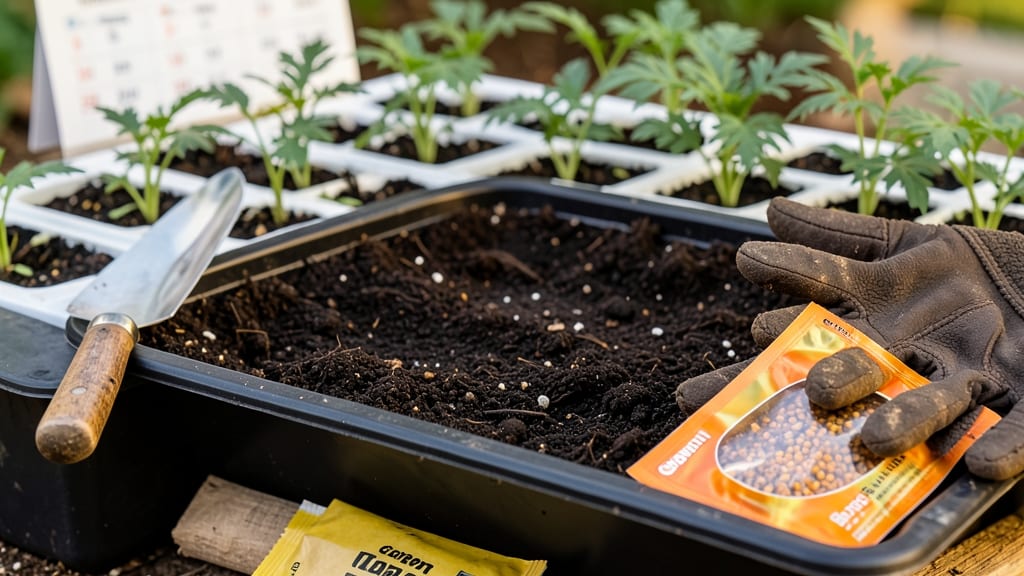
When to start planting flower seeds at the right time means the difference between a garden bursting with 🌸 and one that never quite takes off.
Timing your flower seed planting wrong can mean the difference between a vibrant summer garden and a sad, empty patch of dirt—don’t let that happen to your blooms!
In Zone 6a, like most of the Midwest, you’ve got a 6-week window before your last frost on April 15 to start seeds indoors—too early and they’ll stretch like overgrown noodles, too late and you’ll miss the season entirely.
Below, I break down the exact weeks to start by variety, how to adjust for heat-sensitive vs. cold-hardy flowers, and the one trick that saves 30% of seedlings from failure.


Exact planting timing by USDA Hardiness Zones and frost dates
Getting your flower seeds in the ground at the right time is like hitting a moving target—it changes depending on where you live. Your USDA Hardiness Zone and average last frost date are the two most critical factors.
Plant too early, and frost will kill your tender seedlings. Plant too late, and you’ll miss the growing season entirely. Let’s break down how to nail your timing for cold-hardy flowers versus heat-sensitive varieties.
First, find your zone by entering your ZIP code into the USDA Plant Hardiness Zone Map. Most gardeners fall between Zones 3-10, and each zone has a different last frost date.
For example, Zone 5 typically sees its last frost around April 20, while Zone 10 might not have frost until January 15. Knowing this date helps you calculate when to start seeds indoors or when it’s safe to direct sow outdoors.
Cold-hardy flowers like pansies, calendula, and snapdragons can handle cooler temperatures, so you can plant them 4-6 weeks before your last frost date.
Heat-sensitive flowers, such as petunias, impatiens, and marigolds, need to wait until the soil is consistently above 50°F (10°C)—usually 2-4 weeks after your last frost.
Use this rule of thumb: if your zone’s last frost is April 15, start heat-sensitive seeds indoors on March 1 and direct sow them on May 1.
Here’s a quick reference for adjusting your planting schedule by zone. Use this comparison table to find your exact window:
| USDA Zone | Last Frost Date (Avg) | Indoor Start Time (Weeks Before Last Frost) | Direct Sow Time (After Last Frost) | Cold-Hardy Flowers | Heat-Sensitive Flowers |
|---|---|---|---|---|---|
| Zones 3-4 | May 1 | March 15 (8 weeks before) | May 15 | Pansies, Sweet Alyssum, Calendula | Petunias, Impatiens, Geraniums |
| Zones 5-6 | April 15 | February 28 (6 weeks before) | April 30 | Snapdragons, Stock, Larkspur | Marigolds, Zinnias, Sunflowers |
| Zones 7-8 | March 15 | January 15 (8 weeks before) | March 30 | Violas, Stock, Sweet Peas | Begonias, Coleus, Celosia |
| Zones 9-10 | January 15 (or none) | November 1 (for fall/winter blooms) | February 15 | Pansies, Sweet Alyssum, Calendula | Orchids, Hibiscus, Tropical Flowers |
Pro tip: If you’re unsure about your last frost date, check your local Cooperative Extension Service or use a frost calendar app like Old Farmer’s Almanac. These resources provide historical frost data for your area, helping you avoid surprises.
For example, if your zone’s frost date is April 15 but you’ve had late frosts in past years, err on the side of caution and wait until April 30 to plant heat-sensitive flowers.
Adjusting for soil temperature is just as important as frost dates. Use a soil thermometer to confirm the ground is warm enough—most seeds need soil temps between 60-75°F (15-24°C). If your soil is still cold, even after the last frost, wait a few more weeks.
For instance, in Zone 6, soil might not warm up until mid-May, even if frost is over by April 15.
For perennial flowers, timing is less critical because they return year after year. However, planting them too early can stunt growth, while waiting too long might reduce their first-year blooms.
Aim to plant perennials like coneflowers or black-eyed Susans 2-4 weeks after your last frost, once the soil is workable. Annuals, on the
Best flower seed varieties for indoor starting vs. direct sowing
Not all flower seeds play by the same rules when it comes to planting timing. Some varieties like petunias and geraniums need a cozy indoor head start, while others like cosmos and marigolds thrive when planted straight into the garden.
Understanding these differences saves you from wasted effort and ensures your blooms appear when you want them. The key is matching the plant's germination speed and growth rate to your local frost dates.
For indoor-starting flowers, timing is everything—plant too early and seedlings get leggy, too late and you miss the bloom window. Meanwhile, direct-sown varieties often handle transplant shock poorly and prefer to grow where they land.
Let’s break down which flowers belong in each category and why their germination times matter so much. This ensures you’re not waiting months for blooms or ending up with stunted plants.
🌱 When to Start Planting Flower Seeds: Key Timing Guide
-
🏠 Indoor Start (6-10 weeks before last frost)
🌸 Examples: Petunias, Geraniums, Snapdragons
These delicate seedlings need time to develop strong roots before facing outdoor conditions. Germination: 7-21 days.
-
🌍 Direct Sow (After last frost or when soil hits 60°F/15°C)
🌻 Examples: Sunflowers, Marigolds, Zinnias
Fast growers that hate transplanting and thrive when sown directly. Germination: 3-10 days.
-
❄️ Cold-Hardy Exceptions (Plant 4-6 weeks before last frost)
❄️ Examples: Sweet Alyssum, Calendula, Pansies
Tolerate light frost and germinate quickly in cool soil. Germination: 5-14 days.
-
☀️ Heat-Lovers (Wait until soil is warm, 70°F+/21°C)
🔥 Examples: Portulaca, Lantana, Vinca
Stall germination in cool soil—plant only after warm weather arrives. Germination: 7-21 days (slower in cool conditions).
Pro Tip: Check your seed packet for specific instructions—some varieties (like tomatoes) need even longer indoor starts!
If you’re growing petunias or geraniums, starting them indoors 8-10 weeks before your last frost date gives them the best chance to mature before summer heat arrives. These plants are sensitive to cold and need time to bulk up before facing outdoor conditions.
Meanwhile, marigolds and zinnias are tough cookies—they germinate quickly and don’t mind being planted directly after the last frost. Their fast growth rate means you skip the transplant shock entirely.
For cold-hardy flowers like sweet alyssum or calendula, you can often get away with planting them 4-6 weeks before your last frost date. These varieties germinate in cooler soil and can even handle a light frost, making them perfect for early spring gardeners.
On the flip side, heat-loving flowers such as portulaca or lantana will sulk in cold soil—wait until your soil temperature hits at least 70°F (21°C) before planting.
One of my biggest mistakes early on was overestimating germination times. I’d plant snapdragons indoors thinking they’d pop up in a week, only to find myself waiting three weeks for sprouts. Now, I label every seed tray with the planting date and expected germination window to stay on track.
This simple habit keeps me from assuming seeds are "dead" when they’re just taking their time—especially in cooler indoor conditions.
Remember, the soil temperature matters just as much as the calendar. Use a soil thermometer to check if your outdoor soil is ready for direct sowing—most seeds need 60°F (15°C) or warmer to germinate reliably.
For indoor starts, a seedling heat mat can speed up germination for slow starters like delphiniums. With these tips, you’ll avoid the heartbreak of wilted seedlings or missed bloom times—just picture your garden bursting with color right on schedule!