
Plants
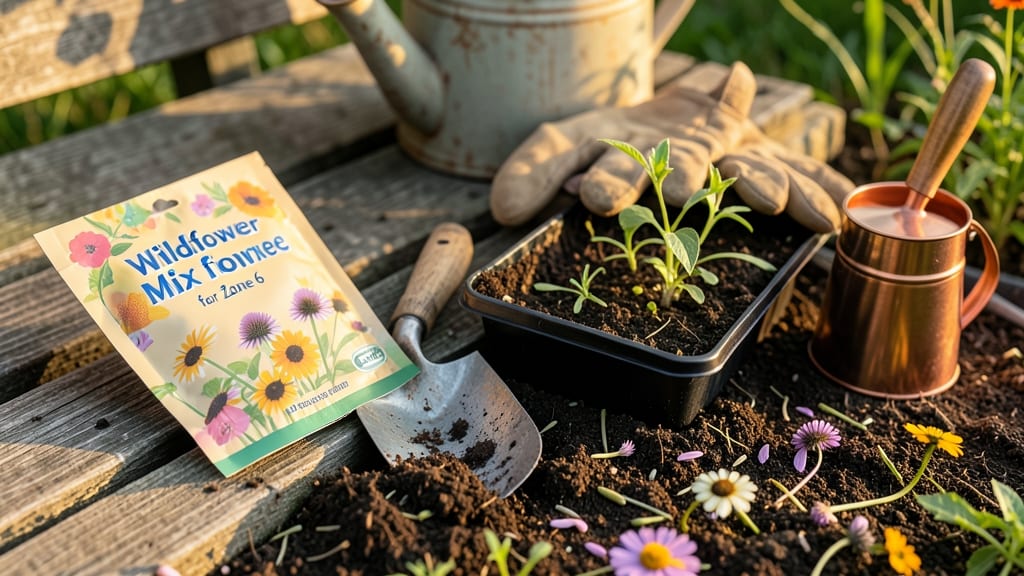
To plant wildflower seeds in Zone 6 🌼, aim for early spring to early summer or late summer to early fall—timing that aligns with frost-free dates and soil warmth.
Wildflowers bring vibrant color, support pollinators, and require minimal maintenance—but planting them at the wrong time in Zone 6 can mean sparse blooms or no growth at all.
Most gardeners in Zone 6 (General) get it right by starting seeds in March or April, when soil temperatures rise above 50°F and the risk of frost has passed. Late summer is another great window, giving seeds a chance to establish before winter.
Below, I’ll break down the best months, how to prep your soil, and care tips to ensure your wildflower meadow thrives from the first bloom.
Best planting months for wildflower seeds in Zone 6 by season
Zone 6 gardeners have three prime windows to sow wildflower seeds: early spring, late summer, and fall. Each season offers distinct advantages for seed germination and plant establishment.
The key is matching your planting timing to soil temperatures and rainfall patterns to avoid drought stress or frost damage.
For spring planting, aim for March through early April once soil temperatures consistently reach 50°F (10°C).
This gives seeds time to germinate before summer heat arrives. Fall planting in September-October allows seeds to establish roots before winter dormancy, while late summer (August) offers a bonus window for second-season blooms.
Soil temperature is the most critical factor—most wildflower seeds need 55-75°F (13-24°C) soil temps to sprout. In Zone 6, this typically aligns with late April to early June for spring planting and mid-August to early September for summer sowing.
Here’s a quick reference for optimal planting windows based on seasonal conditions:
| Season | Best Planting Months | Soil Temp Requirement | Key Advantage | Rainfall Needs |
|---|---|---|---|---|
| Early Spring | March - Early April | 50-60°F (10-16°C) | Cooler temps reduce drought stress | Moderate (spring rains help) |
| Late Summer | Mid-August - Early September | 60-70°F (16-21°C) | Second-season blooms next year | Low (water deeply if dry) |
| Fall | September - Early October | 55-65°F (13-18°C) | Roots establish before winter | Moderate (fall rains ideal) |
Spring planting gives you the longest growing season before winter, but fall planting often yields more robust blooms because established roots survive winter better. Late summer is ideal for drought-tolerant varieties like black-eyed Susans or coneflowers that need time to establish before hot weather returns.
If you miss the ideal windows, don’t panic—wildflower seeds can often germinate in cool-season planting (February) or early summer (June) as long as soil temps stay above 50°F (10°C). However, germination may be slower, and plants might need extra watering during establishment.
For Zone 6b (colder sub-zone), shift planting 1-2 weeks later to avoid late frosts. Use a soil thermometer to confirm temperatures before sowing—this simple tool prevents wasted seed packets.
Pro tip: Mix wildflower seeds with a light layer of compost before scattering. This improves soil contact and moisture retention, especially in dry spring conditions. A thin layer of mulch (like straw) after planting helps retain moisture without smothering seeds.
Remember, native wildflowers adapted to Zone 6 often outperform non-native varieties when planted at the right time. Species like purple coneflower or butterfly weed thrive with minimal care once established.
🌼
How to adjust planting dates based on local frost patterns in Zone 6
Zone 6's variable frost dates can make wildflower planting tricky, but understanding your local patterns ensures vibrant blooms. The USDA Zone 6 typically sees last spring frosts between April 15-30 and first fall frosts around October 15-30.
However, microclimates—like urban heat islands or hilltops—can shift these dates by 1-3 weeks.
Start by checking your local frost-free dates using tools like the National Oceanic and Atmospheric Administration (NOAA) or your local cooperative extension service. These resources provide historical frost data for your specific area.
For example, Columbus, OH averages a May 1 last frost, while Denver, CO may see frosts into June.
Use NOAA or local extension data to find your average last frost date. Plant wildflowers 2-3 weeks after this date for safety.
South-facing slopes warm faster—plant 1 week earlier. Low-lying areas stay cold longer—delay planting by 1-2 weeks.
Some wildflower mixes (like annuals) need soil temps above 60°F to germinate. Wait until your soil reaches this threshold, even if frost risk is low.
For perennial wildflowers, sow seeds 6-8 weeks before first frost (typically late August to early September). This gives roots time to establish before winter.
Sign up for local frost alerts via apps like Farmer's Almanac or Weather Underground. A late frost can devastate young seedlings—be prepared to cover them with row fabric if needed.
For spring planting, aim for late April to early May in most of Zone 6.
If you're in a cooler microclimate (like high elevations or northern Zone 6), wait until mid-May to avoid frost damage. Fall planting is ideal for perennial wildflowers like black-eyed Susans or cone flowers, as cooler temps reduce weed competition and encourage deep root growth.
Pro tip: If your soil stays cold past the average last frost date, consider using black plastic mulch to warm the soil faster. This can shave 1-2 weeks off your planting timeline. Always test soil temperature with a soil thermometer—wildflower seeds need consistent temps above 55°F to sprout reliably.
Remember, wildflowers are resilient, but timing still matters. By aligning your planting with local frost patterns and soil conditions, you’ll maximize germination rates and enjoy lush blooms from season to season. Happy planting! 🌼