
Flowers
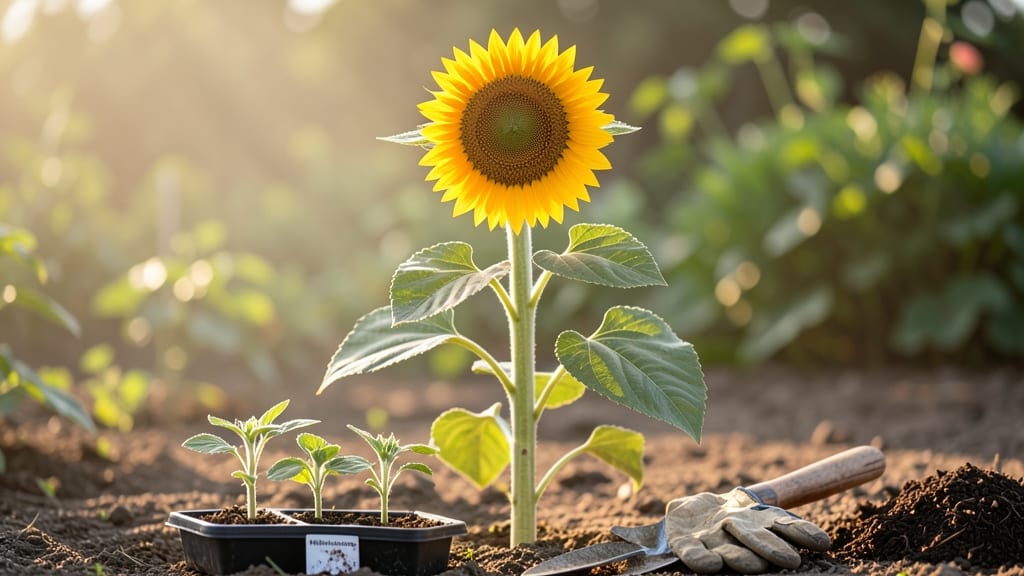
Planting sunflowers in Arkansas at the right time means the difference between 10-foot giants and sad, stunted stems.
Sunflowers bring vibrant color and effortless beauty to Arkansas gardens—but planting them at the wrong time can mean wilted dreams instead of towering blooms. Timing is everything, especially when Arkansas’ unpredictable spring weather throws curveballs like late frosts and sudden heatwaves.
In USDA Zones 7a-8b, your best window is mid-April to mid-June, but even that can shift with the weather. Too early, and a late frost will fry your seedlings. Too late, and the heat arrives before your 🌻 reaches its full potential.
Below, I’ll break down the exact frost-free dates by zone, how to read soil temperature (not just air temp), and the Arkansas-proven tricks to stretch your planting season—so you can enjoy those golden blooms from July through October.
Arkansas sunflower planting dates by USDA Zone (with frost risk alerts)
Arkansas gardeners know timing is everything when planting sunflowers—especially with USDA Zones 6b-8a bringing unpredictable spring frosts and sweltering summer heat. The key to healthy sunflower growth lies in planting after the last frost and when soil warms to 55°F or higher.
Let’s break down the perfect windows for each zone to ensure your sunflowers bloom tall and strong.
Most Arkansas gardeners focus on spring planting (April-May), but late summer (August-September) offers a second chance for fall-blooming sunflowers. The National Weather Service provides frost forecasts—bookmark their site to adjust your schedule if late frosts threaten.
For example, Zone 6b (northern Arkansas) faces a higher frost risk than Zone 8a (southern Arkansas), so timing matters even more.
⚠️ CRITICAL RULE: Never plant sunflowers until soil temperature consistently stays above 55°F. Cold soil delays germination, and seedlings won’t survive frost. Use a soil thermometer to check—air temperature is a poor predictor!
In Arkansas, this usually means waiting until mid-April in Zone 6b and as early as March in Zone 8a.
Here’s your zone-specific planting guide, including frost risk alerts and ideal soil conditions for sunflowers in Arkansas:
For Zone 6b gardeners, late frosts are the biggest threat—so wait until after April 15 unless you’re using row covers to protect early starts.
In Zone 8a, you can plant as early as late March, but avoid fall planting after August 15 to ensure flowers mature before frost. Pro tip: Check the National Weather Service’s frost probability maps for your county—it’s a game-changer for Arkansas timing!
If you’re aiming for fall sunflowers, focus on late-summer planting (August). These blooms will thrive in Arkansas’ warm autumns, giving you extended harvest windows and stunning late-season color. Just be sure to choose fast-maturing varieties like ‘Autumn Beauty’ to avoid frost damage before seeds ripen.
One common mistake Arkansas gardeners make? Planting sunflowers too early based on air temperature alone. Always check soil temperature—cold soil can delay germination by weeks. For extra insurance, use a seedling heat mat or plant in black plastic mulch to warm the soil faster.
In my own garden, this trick helped me start sunflowers 10 days earlier without frost risk!
For container gardening, adjust your timeline slightly—pots heat up faster, so you can plant 1-2 weeks earlier than in-ground. Just ensure your container has drainage holes and use a lightweight potting mix to prevent waterlogging. Arkansas’ humidity means containers dry out faster, so monitor soil moisture closely during summer.
Finally, don’t forget to harden off seedlings if you start indoors. Arkansas’ sudden heatwaves can shock tender plants, so gradually expose them to outdoor conditions over 7-10 days before transplanting. This simple step boosts survival rates and ensures your sunflowers grow into towering, healthy stalks
How to adjust sunflower planting for Arkansas’ unpredictable weather patterns
Arkansas’ weather can be as unpredictable as a summer storm—one day warm enough to plant, the next a surprise frost that threatens tender sunflower seedlings. The key to success is flexibility. Instead of rigid dates, focus on soil temperature and weather forecasts to time your planting perfectly.
I’ve learned that even a week’s delay can mean the difference between thriving plants and wilted dreams.
Monitoring soil warmth (not air temperature) is critical. Sunflower seeds need soil to reach at least 55°F to germinate properly. In my garden, I use a soil thermometer—it’s saved me from planting too early when cool nights still linger.
Arkansas’ USDA Zones 6b-8a mean your exact timing may vary, but this rule applies everywhere in the state.
⚠️ callout warning ⚠️
🌡️ Arkansas Frost Risk: Don’t Plant Too Early!
Late frosts in Arkansas can strike as late as April 15 in northern zones (Zone 6b), while southern areas (Zone 8a) may see occasional frosts until mid-April. Planting sunflower seeds before the last frost date risks seed rot or stunted growth. Use row covers if you must start early, but be prepared to remove them immediately if temperatures rise above 70°F.
Pro Tip: Check the National Weather Service’s frost forecasts weekly—it’s saved my sunflowers more times than I can count!
For extra protection, I swear by row covers or even a simple cloche to shield young seedlings. These tools create a microclimate that can add 2-4°F of warmth, giving your sunflowers a head start.
I’ve used them to plant as early as mid-March in Zone 7a without issues. Just remember to remove covers once true leaves appear to prevent overheating during Arkansas’ sudden heatwaves.
Choosing the right sunflower varieties can also extend your harvest window. Fast-maturing types like ‘Moulin Rouge’ (50-55 days) or ‘Autumn Beauty’ (60-65 days) are my go-tos. They tolerate Arkansas’ humidity and heat while still producing blooms before the first frost.
I’ve even planted a second crop in late July for fall color—just be sure to use dwarf varieties like ‘Teddy Bear’ if space is limited.
Timing is a balancing act: plant too early, and you risk frost damage; too late, and your sunflowers may bolt before producing seeds. I’ve found that mid-April to early May is the sweet spot for most of Arkansas, but always double-check your local frost-free date.
If you’re unsure, err on the side of caution—sunflowers are resilient, and a slightly delayed start is better than losing your entire crop.
Finally, keep an eye on the weather forecast for at least 10 days after planting. Arkansas’ sudden downpours or heatwaves can stress young plants. Mulching with straw or grass clippings helps regulate soil temperature and retain moisture, giving your sunflowers the best chance to thrive despite Mother Nature’s whims.
With these adjustments, you’ll enjoy towering sunflowers from summer straight through fall—no guesswork required!