
Flowers
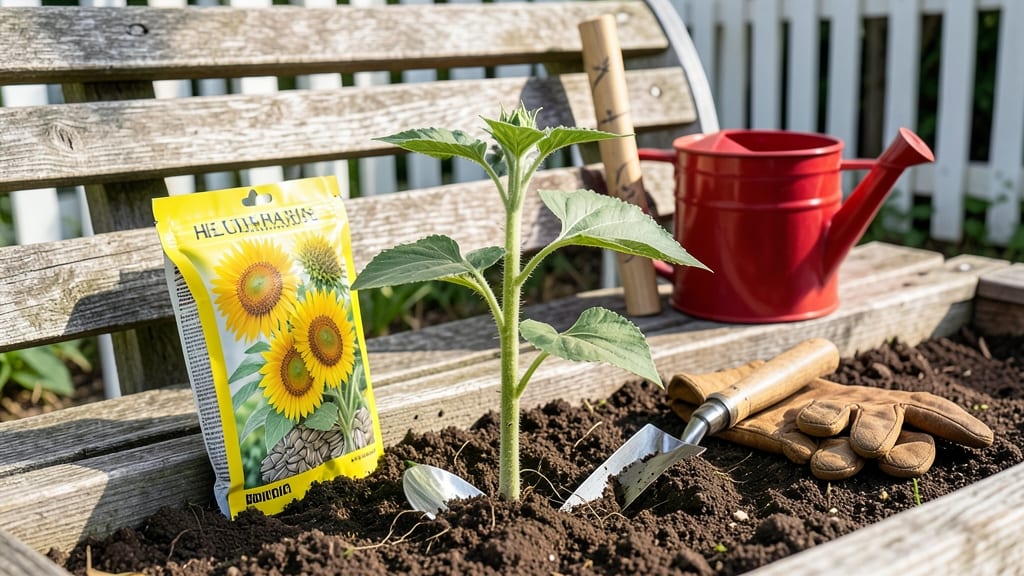
To plant sunflowers in Washington State, aim for mid-April to early June after the last frost—timing that turns your garden into a towering 🌻 display by summer.
But here’s the catch: Seattle’s damp springs and Eastern WA’s dry heat don’t play by the same rules. Plant too early in the wet west, and your seeds rot; too late in the desert east, and the heat zaps them before they sprout.
The difference between strong stems and wilted disappointment often comes down to knowing your microclimate.
Washington’s USDA zones 6b-9a mean your neighbors might be harvesting while you’re still waiting for germination. We’ll break down the exact windows for each zone, plus how to adjust for coastal fog, high-desert heat, and everything in between—so you can pick the perfect moment for your sunflowers to thrive.
You’ll also discover the best varieties for WA’s climate, whether to start seeds indoors or sow directly, and how to prep soil for bold blooms that last from July to October. Let’s get those sunflowers growing!
Washington State sunflower planting dates by USDA zones 7-9: a month-by-month guide
Timing your sunflower planting in Washington State depends heavily on your USDA zone and local frost patterns. In Zone 7a, where frosts linger until mid-April, you’ll need to wait longer than in Zone 9a, where the last frost typically arrives by mid-March.
Even within these zones, microclimates like Seattle’s coastal dampness or Yakima’s desert heat create unique planting windows.
Sunflowers are annuals that thrive with 6-8 hours of sun and well-draining soil. The key to success is planting after the last frost date when soil temperatures reach 55°F (13°C).
This ensures strong germination and rapid growth before summer’s heat sets in. Let’s break down the ideal month-by-month planting schedule for each zone.
| USDA Zone | Last Frost Date | Ideal Planting Window | Soil Temp Threshold | Direct Sowing vs. Transplant |
|---|---|---|---|---|
| Zone 7a (e.g., Spokane, Wenatchee) | Mid-April | Late April to early May | 55°F (13°C) | Direct sow after frost; transplant starts indoors by March 15 |
| Zone 7b (e.g., Yakima, Moses Lake) | Early April | Early April to late April | 55°F (13°C) | Direct sow after frost; transplant starts indoors by March 1 |
| Zone 8a (e.g., Seattle, Portland metro) | Late March | Mid-March to early April | 50°F (10°C) | Direct sow after frost; transplant starts indoors by February 15 |
| Zone 8b (e.g., Vancouver, Bellingham) | Early March | Late February to early March | 48°F (9°C) | Direct sow after frost; transplant starts indoors by January 30 |
| Zone 9a (e.g., Longview, parts of SW WA) | Mid-March | Early March to late March | 50°F (10°C) | Direct sow after frost; transplant starts indoors by February 1 |
For Zone 7a gardeners, like those in Spokane or Wenatchee, the last frost date often arrives in mid-April, so hold off on planting until late April. Start seeds indoors by March 15 if you want a head start on transplanting.
In these cooler zones, opt for cold-hardy varieties like 'Autumn Beauty' or 'Teddy Bear' to ensure strong stems and vibrant blooms.
In Zone 7b, which includes Yakima and Moses Lake, you can plant slightly earlier—early April—thanks to the region’s hotter, drier climate. Direct sow seeds after the frost, but if you’re transplanting, start seeds indoors by March 1.
This zone’s longer growing season allows for succession planting in late summer to extend blooms into fall.
Gardeners in Zone 8a, including Seattle and Portland, enjoy milder winters, with last frosts typically around late March. This means you can start planting as early as mid-March for direct sowing or begin indoor starts by February 15.
The Puget Sound region benefits from marine influence, which moderates temperatures—ideal for sunflowers that prefer warm soil but can handle cooler nights.
If you’re in Zone 8b, like Vancouver or Bellingham, you’re in luck! The last frost date often arrives by early March, allowing you to plant sunflowers as early as late February.
This early start gives sunflowers plenty of time to mature before the first frost in mid-October. For transplants, start seeds indoors by January 30 to maximize growth.
Finally, Zone 9a, found in areas like Longview, offers the longest growing season in Washington. You can plant sunflowers as early as early March, with indoor starts beginning by February 1.
This zone’s mild winters and long summers create perfect conditions for tall varieties like 'Russian Giant' or 'Mammoth' to reach their full height and produce abundant blooms.
For succession planting in late summer, aim to sow additional seeds in early July (Zones 8-9) or mid-July (Zone 7). This ensures a continuous display of blooms
Washington State’s diverse microclimates demand tailored sunflower planting strategies. Coastal areas like Seattle and Puget Sound experience cool, wet springs, while inland regions such as Yakima and the Columbia Basin face hot, dry summers. These differences directly impact your planting timeline and variety choices. For coastal regions, start seeds indoors by late March or sow directly after the last frost date (typically mid-April). Inland areas can wait until late April to early May when soil temperatures consistently reach 50°F. The key is avoiding spring frost while ensuring enough warmth for germination. 🌱 In coastal areas, focus on soil drainage—amend heavy clay with compost or sand to prevent root rot from excess moisture. Use row covers in early spring to protect seedlings from chilly winds off Puget Sound. For inland regions, prioritize soil warmth by laying black plastic mulch 2-3 weeks before planting to speed up germination. Extend your growing season in both regions with succession planting. Inland areas can sow late-summer varieties (like 'Teddy Bear') in early July for fall blooms, while coastal gardeners can plant heat-tolerant dwarf varieties (like 'Moulin Rouge') in late June to escape summer heat. Choose varieties suited to your microclimate: 'Russian Giant' thrives in hot inland zones, while 'Autumn Beauty' handles cooler coastal summers. Both tolerate Washington’s common pests like sunflower moths and aphids, but neem oil sprays can prevent infestations in humid coastal areas. Monitor soil temperature with a soil thermometer—sunflowers need 50°F+ soil to germinate. Coastal gardeners may need to wait until May for consistent warmth, while inland areas can start earlier. Adjust watering too: drip irrigation works best in dry inland zones, while mulching helps coastal gardens retain moisture. With these microclimate-specific adjustments, you’ll maximize sunflower success across Washington’s diverse growing conditions. Happy planting! 🌻How to adjust sunflower planting for Washington’s microclimates: coastal vs. inland strategies
Coastal vs. Inland Sunflower Planting Strategies
Coastal (Seattle/Puget Sound)
Inland (Yakima/Columbia Basin)
Pros of Coastal Planting
Cons of Coastal Planting
Pros of Inland Planting
Cons of Inland Planting