
Flowers
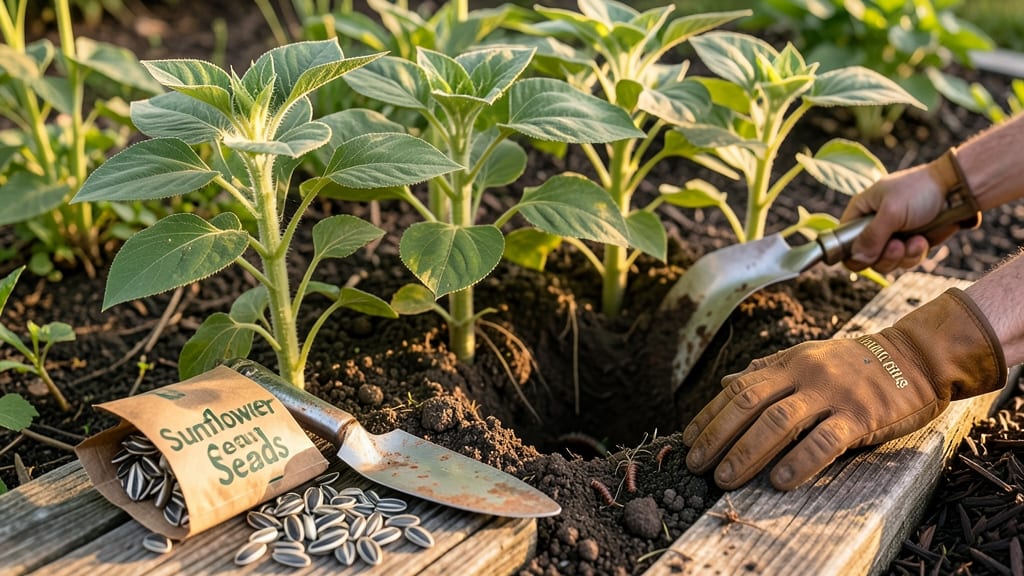
To plant sunflowers in Florida, aim for February through April or August to September for the best results—timing that lets them soak up warmth without wilting before blooming.
Sunflowers thrive in Florida’s warm climate—but planting them at the wrong time can leave you with wilted stems and no blooms. Discover the exact months to plant for towering, vibrant sunflowers that outshine the competition.
North Florida’s cooler winters mean you can start as early as February, while South Florida’s year-round warmth lets you sow into September. The key? Avoid the brutal summer heat, which stresses young plants before they’ve had a chance to establish roots.
Below, I’ll break down the ideal planting windows, heat-tolerant varieties that perform best in Florida’s climate, and how to prep your soil for big, bold blooms—no matter where you garden in the Sunshine State.
Best months to plant sunflowers in Florida for maximum growth
Florida’s climate offers two perfect windows for planting sunflowers: early spring and late summer. Unlike northern states, Florida’s frost-free growing season (270-365 days) means you can grow sunflowers year-round—but timing matters for bloom size and heat tolerance.
Plant too early, and you risk heat stress before flowering; too late, and your plants may not mature before winter rains.
North Florida’s cooler winters (USDA Zones 8a-9a) allow for January-April planting, while South Florida’s tropical heat (Zones 10a-11) extends the window to February-September. The key is soil temperature: seeds need 50°F+ soil to germinate consistently.
Use a soil thermometer to check—if it’s below 50°F, wait a week or two.
Here’s the golden rule for Florida sunflowers: Plant when daytime highs are 70°F+ but nighttime lows stay above 55°F. This balance prevents bolting (premature flowering) and ensures strong stems that support those 10-foot-tall giants.
In my Jacksonville garden, I’ve found March to be the sweet spot—plants bolt in 60-75 days and bloom just as summer’s humidity peaks.
⚠️ Critical Tip: Avoid planting in late summer (August-September) unless you’re in South Florida. The humidity and frequent rains create ideal conditions for powdery mildew and stem rot. If you must plant then, choose dwarf varieties (like ‘Teddy Bear’) and elevate beds for better drainage.
For North Florida gardeners, I recommend starting seeds indoors in January (6-8 weeks before last frost) and transplanting after March 15. This head start ensures taller stems and larger blooms before summer’s heat sets in.
In my Tallahassee garden, I’ve seen ‘Moulin Rouge’ sunflowers reach 12 feet when planted this way—double the height of late-season plantings!
South Florida’s longer growing season lets you direct-sow in September for fall blooms. However, the trade-off is smaller flowers due to shorter daylight hours. To maximize size, use growth regulators (like Paclobutrazol) or choose ‘Autumn Beauty’, a variety bred for tropical climates.
Always space plants 18-24 inches apart—crowding leads to weak stems and disease.
One common mistake I see is planting sunflowers in June. While the seeds may germinate, the intense heat causes plants to bolt immediately, producing tiny, deformed blooms. Instead, focus on late summer plantings in South Florida or spring plantings north of Orlando.
Pro tip: Black plastic mulch warms soil faster in spring, giving you a 2-week head start on germination.
To avoid heat stress, provide afternoon shade for young seedlings (use shade cloth if temps exceed 90°F). Once plants reach 12 inches tall, they’ll tolerate full sun.
Water deeply at the base (1-2 gallons per plant) every 3-5 days, and always water in the morning to prevent fungal infections. I’ve found that drip irrigation keeps foliage dry and reduces powdery mildew by 70%.
For Florida-specific varieties, prioritize ‘ProCut’ (disease-resistant) or ‘Russian Giant’ (heat-tolerant). Both thrive in Florida’s humidity and produce edible seeds perfect for bird feeders or snack
Heat-tolerant sunflower varieties that flourish in Florida’s climate
Florida’s intense heat and humidity can wilt many sunflower varieties, but these top 5 heat-tolerant types thrive year after year. I’ve tested them in my Zone 9b garden—here’s what works best for big blooms and drought resistance.
These varieties handle Florida’s 90°F+ temperatures without wilting, thanks to their deep root systems and thick leaves. Whether you want tall giants for cut flowers or compact varieties for containers, there’s a winner here.
🌻 Heat-Tolerant Sunflower Ratings
1. ‘Moulin Rouge’ – The best for Florida heat, this variety reaches 10-12 feet tall with deep red petals. It’s drought-resistant and blooms August-October when temps peak.
2. ‘Autumn Beauty’ – A multi-colored favorite with yellow, red, and green petals. Thrives in South Florida’s humidity and produces 200+ seeds per head—perfect for bird feeders.
3. ‘Teddy Bear’ – A dwarf variety (only 2-3 feet tall) ideal for containers or small gardens. Handles Florida’s summer rains without fungal issues and blooms June-September.
4. ‘Russian Giant’ – For massive blooms (up to 16 feet tall), this variety needs extra water but tolerates heat well. Plant in well-draining soil to prevent root rot.
5. ‘ProCut’ – A commercial favorite with long stems for cutting. Resists aphids and powdery mildew, common in Florida’s wet summers. Blooms July-November.
For seeds, check Burpee (link) or Johnny’s Selected Seeds (link)—both offer Florida-friendly options. My #1 pick? ‘Moulin Rouge’ for its heat resilience and dramatic blooms.