
Flowers
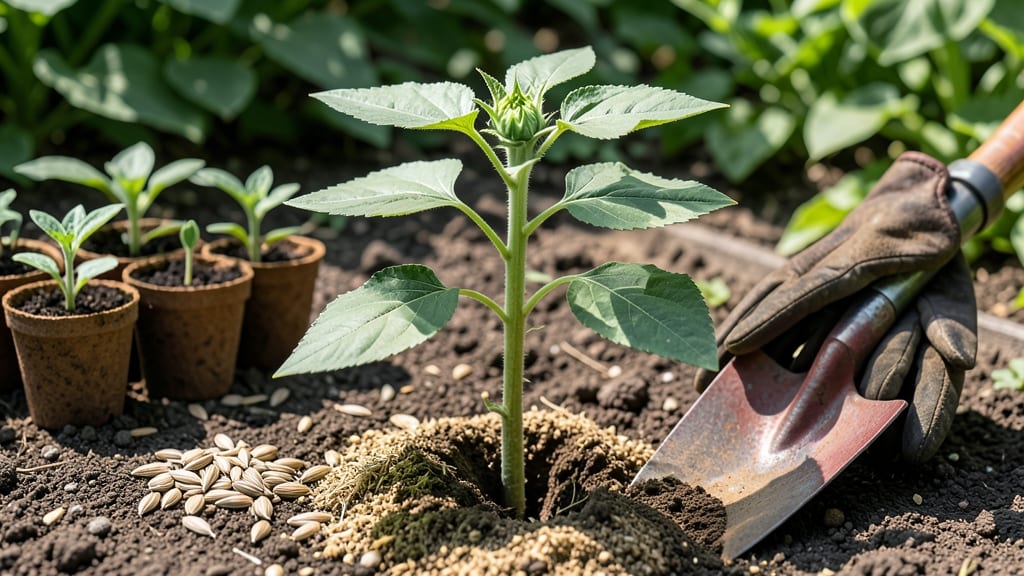
Planting sunflowers in South Florida at the right time means bigger blooms and fewer wilted stems—no frost to worry about, but heat and humidity still play tricks.
You might assume year-round warmth means you can drop seeds anytime, but timing matters—especially if you want sunflowers that tower over your fence. Miss the sweet spot, and you’re left with leggy, weak stems or flowers that bolt in the summer heat.
South Florida’s two-season climate (cool dry winters and hot, humid summers) creates ideal windows for sunflowers, but planting in hurricane season or peak heat can derail your plans. Below, I’ll break down the best months to plant, how to avoid common pitfalls, and which varieties handle Florida’s extremes like champions.
Whether you’re a first-timer or a seasoned gardener, these insights will help you grow sunflowers that reach their full potential—without the guesswork.
Best planting times for sunflowers in South Florida’s two seasons
South Florida’s unique two-season climate—warm winters and hot summers—creates perfect conditions for sunflowers, but timing is everything. Unlike northern states, you don’t need to wait for spring—sunflowers grow year-round here, but peak performance depends on avoiding hurricane season and extreme heat.
The best windows are late winter to early spring and fall, when temperatures are mild but still warm enough for rapid growth.
Sunflowers are heat-tolerant but struggle when daytime temps exceed 95°F. Planting in January-February gives them time to mature before summer’s intensity, while fall plantings in August-September take advantage of cooling temperatures. Your USDA zone (8A-10A) matters too—coastal areas (like Miami) can plant slightly later than inland zones (like Orlando).
Key factors to consider:
- Soil temperature (ideal: 55°F+ for germination)
- Rainfall patterns (avoid hurricane season’s flooding)
- Daylight length (sunflowers need 12+ hours of light)
| Planting Window | Best Months | Ideal Soil Temp | Days to Maturity | Key Considerations |
|---|---|---|---|---|
| Spring Planting | January–March | 55–75°F | 60–90 days | Avoids summer heat; long daylight hours |
| Fall Planting | August–September | 60–85°F | 70–100 days | Cooler temps; shorter days (use taller varieties) |
| Summer Planting | April–July | 70–90°F | 50–70 days (dwarf varieties) | Risk of bolting; needs shade cloth |
| Winter Planting | November–December | 60–70°F | 80–110 days | Slow growth; protect from cold snaps |
For Zone 8A (northern South Florida like Orlando), aim for January–February plantings to ensure blooms before summer’s peak. In Zone 10A (Miami/Dade), you can extend spring plantings to March and fall plantings to October.
Always check your local frost dates—even though Florida rarely freezes, unexpected 32°F nights can stunt young plants.
Sunflowers planted in late summer (August) often bolt quickly due to shortening daylight, so choose fast-maturing varieties (like ‘Teddy Bear’) if you’re experimenting. I’ve found that direct-sown seeds germinate fastest in well-drained soil—amend sandy Florida soil with compost to retain moisture and nutrients.
A 5-10-10 fertilizer at planting time gives them a growth boost.
Pro tip: If you’re growing sunflowers for seeds or cut flowers, prioritize spring plantings. For pollinator gardens, fall plantings extend blooming season into winter. Just remember—sunflowers need 6+ hours of direct sun daily, so avoid shady spots, even in Florida’s humid climate.
Mulch with straw or pine needles to keep roots cool during summer’s heat.
One mistake I see often is planting sunflowers too close to hurricane season (June–November). Heavy rains can drown seedlings and spread fungal diseases. If you must plant in summer, use raised beds
3 Critical mistakes that kill sunflower growth (and how to fix them)
South Florida’s sandy soil and high humidity create perfect conditions for sunflowers—but common mistakes can turn your towering dreams into floppy failures. I’ve seen overwatered seedlings rot, nutrient-starved plants struggle in poor soil, and heat-stressed blooms wilt before opening. Let’s fix these three deadly errors before they kill your sunflowers.
First, many gardeners drown their sunflowers thinking they need constant moisture. In reality, overwatering is the #1 killer because Florida’s sandy soil drains too quickly, leaving roots suffocating. I learned this the hard way when my giant sunflowers developed fungal spots after heavy rain.
The fix? Water deeply but only every 3-5 days—morning is best to prevent fungal growth.
⚠️ callout warning ⚠️
South Florida’s sandy soil drains too fast and lacks nutrients. Don’t skip soil prep! Mix in 2-3 inches of compost before planting. For containers, use a 50/50 mix of potting soil and compost to retain moisture and nutrients.
✅ Pro Tip: Test your soil’s pH—sunflowers thrive in 6.0-7.0. If your soil is too acidic, add lime (1/2 cup per plant).
Second, poor soil preparation stunts growth. Sunflowers are heavy feeders, and Florida’s native soil lacks the organic matter they crave. I once planted sunflowers in untouched soil and watched them grow just 3 feet tall instead of their potential 10 feet!
The solution? Amend your soil with aged compost or well-rotted manure at planting time. For extra insurance, side-dress with balanced fertilizer (5-10-10) when plants hit 12 inches tall.
Third, ignoring heat stress in summer can turn vibrant blooms into sad, droopy faces. South Florida’s 90°F+ temperatures cause sunflowers to bolt too quickly or wilt before flowering. My trick?
Plant heat-tolerant varieties like ‘Autumn Beauty’ or ‘Moulin Rouge’ in late summer (August-September) for fall blooms. Also, provide afternoon shade with a lightweight row cover during peak heat waves.
To avoid these mistakes, use my sunflower survival checklist: ☑️ Water deeply every 3-5 days (morning only) ☑️ Amend soil with compost + fertilizer at planting ☑️ Choose heat-tolerant varieties for summer planting ☑️ Mulch with straw or pine needles to retain moisture ☑️ Monitor for pests like sunflower moths and treat early
With these fixes, your sunflowers will reach their full 10-12 foot potential—and you’ll enjoy those iconic blooms from spring through fall. The key is balancing Florida’s unique conditions with sunflowers’ needs. Now go plant those seeds and watch them grow!